

The lifespan of a feed mill mixer is a critical concern for feed producers, as it directly impacts operational efficiency, production costs, and the overall quality of feed products. As a seasoned supplier of feed mill mixers, I've witnessed firsthand the varying lifespans of these essential machines and understand the factors that influence their longevity. In this blog, I'll delve into the key aspects that determine the lifespan of a feed mill mixer and provide insights to help you make informed decisions when investing in this equipment.
Understanding the Basics of Feed Mill Mixers
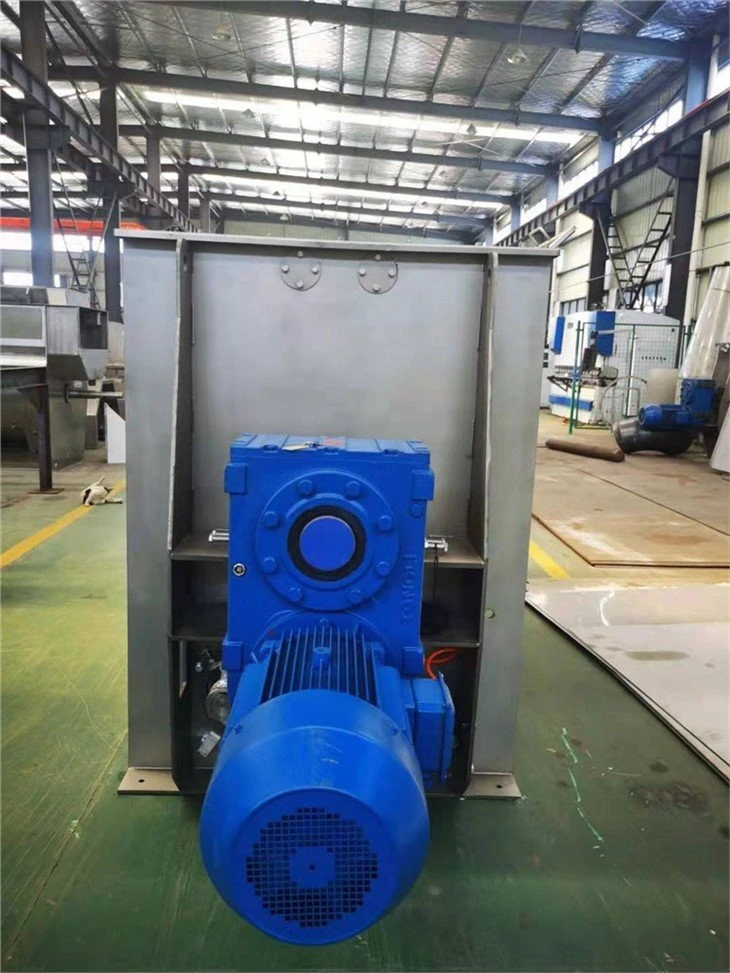
Before discussing the lifespan, it's important to understand the different types of feed mill mixers available in the market. Two common types are the Feed Mill Paddle Mixer and the SLHY Horizontal Mixer.
Paddle mixers use paddles attached to a rotating shaft to move and mix the feed ingredients. They are known for their gentle mixing action, which is suitable for fragile ingredients. Horizontal mixers, on the other hand, typically have a horizontal orientation and use various mixing mechanisms such as ribbons or screws to blend the feed. Each type has its own advantages and is designed to meet specific mixing requirements.
Factors Affecting the Lifespan of a Feed Mill Mixer
1. Quality of Construction
The quality of materials and construction techniques used in the manufacturing of a feed mill mixer plays a significant role in its lifespan. High - quality mixers are built with robust materials that can withstand the wear and tear of continuous operation. For example, mixers with stainless - steel interiors are more resistant to corrosion and abrasion compared to those made of mild steel. As a supplier, we ensure that our mixers are constructed using top - grade materials and advanced manufacturing processes to enhance their durability.
2. Operating Conditions
The environment in which the feed mill mixer operates can greatly affect its lifespan. If the mixer is exposed to high humidity, dust, or corrosive substances, it can lead to premature wear and damage. Additionally, the frequency and intensity of use also matter. A mixer that runs continuously for long hours every day will experience more stress and may have a shorter lifespan compared to one that is used intermittently. It's important to provide a clean and suitable operating environment for the mixer and follow proper operating procedures.
3. Maintenance and Servicing
Regular maintenance is crucial for extending the lifespan of a feed mill mixer. This includes tasks such as lubricating moving parts, checking and tightening bolts, and inspecting the mixing elements for wear. Ignoring maintenance can lead to minor issues escalating into major problems, which can ultimately shorten the lifespan of the mixer. As a supplier, we offer comprehensive maintenance guides and support to our customers to ensure that their mixers are well - maintained.
4. Mixing Capacity and Overloading
Using a feed mill mixer within its recommended mixing capacity is essential. Overloading the mixer can cause excessive stress on the motor, mixing elements, and other components, leading to premature failure. It's important to accurately calculate the amount of feed to be mixed and choose a mixer with an appropriate capacity for your production needs.
Average Lifespan of Feed Mill Mixers
On average, a well - maintained feed mill mixer can last anywhere from 10 to 20 years. However, this is a rough estimate, and the actual lifespan can vary depending on the factors mentioned above. High - quality mixers that are properly maintained and operated under favorable conditions can often exceed the upper end of this range.
For example, a Feed Mill Paddle Mixer that is used in a clean and controlled environment, with regular maintenance, can last up to 20 years or more. On the other hand, a mixer that is subjected to harsh operating conditions and lacks proper maintenance may only last 5 - 10 years.
Extending the Lifespan of Your Feed Mill Mixer
1. Follow Manufacturer's Guidelines
The manufacturer provides detailed instructions on how to operate and maintain the feed mill mixer. Following these guidelines is essential for ensuring the longevity of the equipment. This includes proper startup and shutdown procedures, recommended lubricants, and maintenance schedules.
2. Train Your Operators
Well - trained operators are more likely to use the feed mill mixer correctly and identify potential issues early. Provide comprehensive training to your operators on how to operate the mixer safely and efficiently, as well as how to perform basic maintenance tasks.
3. Use High - Quality Feed Ingredients
Using high - quality feed ingredients can reduce the amount of abrasion and wear on the mixer components. Low - quality ingredients may contain impurities or hard particles that can damage the mixing elements over time.
4. Regular Inspections and Repairs
Conduct regular inspections of the feed mill mixer to identify any signs of wear or damage. Addressing minor issues promptly can prevent them from turning into major problems. If any components are worn out, replace them with genuine parts from the manufacturer to ensure compatibility and performance.
Importance of Choosing the Right Supplier
Choosing the right supplier for your feed mill mixer is crucial. A reliable supplier will not only provide high - quality equipment but also offer excellent after - sales support. As a supplier, we have a team of experts who can assist you in selecting the right mixer for your specific needs, provide technical support, and offer spare parts and maintenance services.
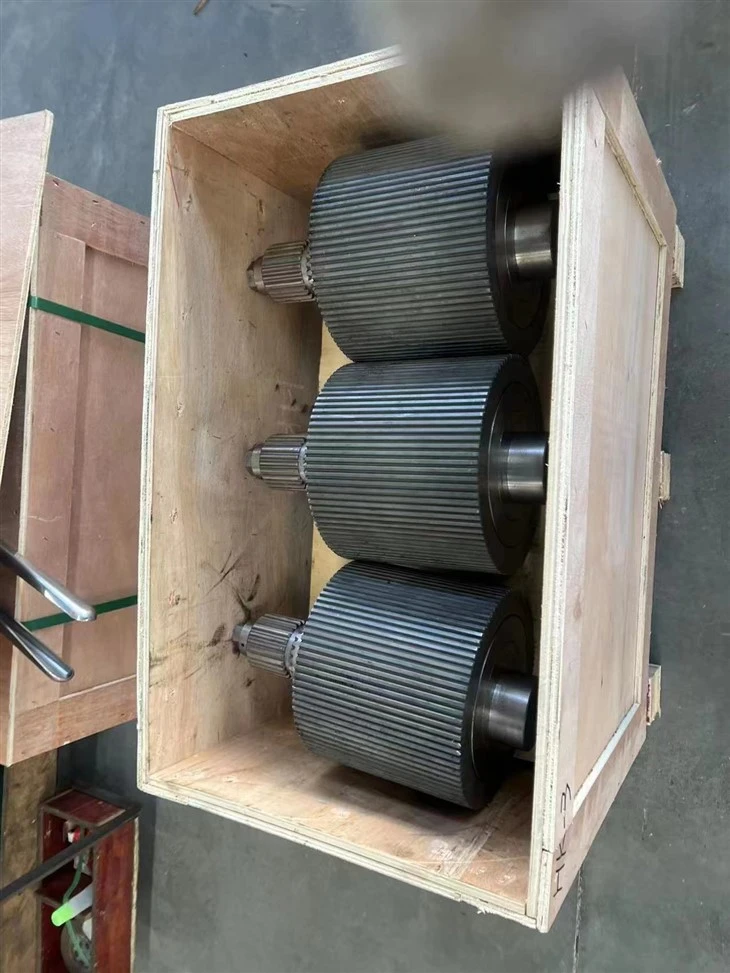
In addition to mixers, we also work closely with Pellet Die Manufacturer to ensure that our customers have access to a complete range of feed mill equipment.
Conclusion
The lifespan of a feed mill mixer is influenced by multiple factors, including the quality of construction, operating conditions, maintenance, and mixing capacity. By understanding these factors and taking appropriate measures, you can extend the lifespan of your feed mill mixer and ensure efficient and cost - effective feed production.
If you're in the market for a feed mill mixer or need advice on maintaining your existing equipment, we're here to help. Contact us today to discuss your requirements and explore how our high - quality mixers can meet your feed production needs.
References
- "Feed Mill Equipment Handbook" - A comprehensive guide on feed mill equipment, including mixers, published by an industry - leading organization.
- "Best Practices for Feed Mill Maintenance" - A white paper highlighting the importance of maintenance in feed mill operations.