

Hey there! I'm a supplier of rotary distributors, and today I wanna chat about the compatibility issues that can pop up when using a rotary distributor in a hydraulic system. It's super important to understand these issues to make sure your hydraulic system runs smoothly and efficiently.
First off, let's talk about what a rotary distributor is. It's a nifty device that helps distribute fluid, like oil in a hydraulic system, to different parts of the system. There are different types of rotary distributors, such as the Rotary Grain Distributor, Powder Rotary Distributor, and Rotary Distributor for Feed Machine. Each type is designed for specific applications, but they all share the basic function of fluid distribution.
Now, let's dive into the compatibility issues. One of the main things to consider is the pressure rating. Hydraulic systems can operate at different pressures, and the rotary distributor you choose must be able to handle the pressure of your system. If the pressure rating of the distributor is too low, it can lead to leaks, component failure, and even safety hazards. For example, if your hydraulic system operates at a high pressure of 3000 psi, but you use a rotary distributor with a pressure rating of only 2000 psi, the distributor might start to leak or break down over time. So, always check the pressure rating of the distributor and make sure it matches your system's requirements.
Another important factor is the flow rate. The flow rate refers to the amount of fluid that can pass through the distributor per unit of time. If the flow rate of the distributor is too low for your system, it can cause a drop in pressure and affect the performance of the hydraulic system. On the other hand, if the flow rate is too high, it can lead to excessive wear and tear on the distributor and other components. You need to calculate the required flow rate for your system based on the size of the hydraulic cylinders, the speed of operation, and other factors. Then, choose a rotary distributor that can provide the appropriate flow rate.
The viscosity of the hydraulic fluid is also a crucial consideration. Viscosity is a measure of the fluid's resistance to flow. Different hydraulic systems use fluids with different viscosities, and the rotary distributor must be compatible with the viscosity of the fluid you're using. If the fluid is too thick, it can cause the distributor to operate sluggishly and may even block the passages. If the fluid is too thin, it can lead to leaks and reduced efficiency. You should always refer to the manufacturer's recommendations for the suitable viscosity range for the rotary distributor.
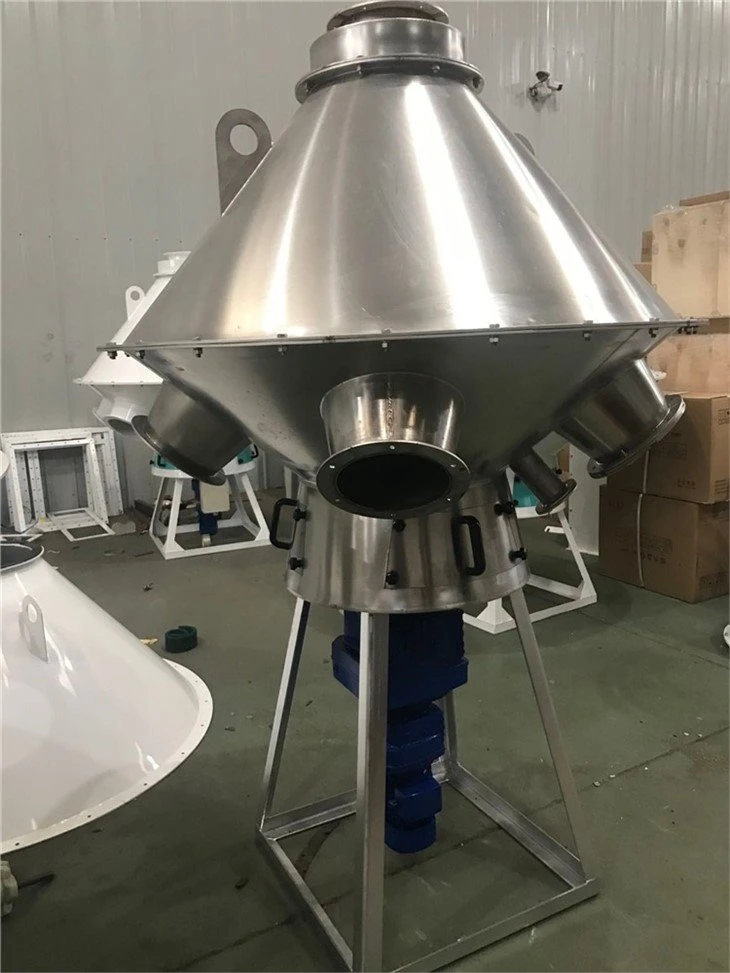
In addition to these technical factors, there are also some installation and mounting issues to think about. The rotary distributor needs to be installed correctly to ensure proper alignment and connection with the rest of the hydraulic system. If it's not installed properly, it can cause misalignment, which can lead to uneven wear on the distributor and other components. Also, make sure that the mounting location is stable and free from excessive vibrations. Vibrations can cause the distributor to loosen over time and may affect its performance.
The materials used in the construction of the rotary distributor are also important for compatibility. The distributor should be made of materials that are resistant to corrosion and wear, especially if it's going to be used in a harsh environment. For example, if your hydraulic system is exposed to moisture or chemicals, you need a distributor made of stainless steel or other corrosion-resistant materials. The seals and gaskets in the distributor also need to be compatible with the hydraulic fluid to prevent leaks.
Now, let's talk about how these compatibility issues can impact the overall performance of your hydraulic system. When there are compatibility problems, it can lead to increased maintenance costs. You may have to replace worn-out components more frequently, and the downtime for repairs can also be costly. In some cases, it can even cause the entire hydraulic system to fail, which can result in significant losses for your business.
But don't worry! As a rotary distributor supplier, I'm here to help you avoid these compatibility issues. I have a wide range of rotary distributors that are designed to meet different hydraulic system requirements. Whether you need a Rotary Grain Distributor for your grain handling system, a Powder Rotary Distributor for powder processing, or a Rotary Distributor for Feed Machine, I can provide you with the right product.
If you're unsure about which rotary distributor is best for your hydraulic system, feel free to reach out to me. I have a team of experts who can assist you in selecting the most suitable distributor based on your specific needs. We can also offer installation guidance and after-sales support to ensure that your hydraulic system operates smoothly.
In conclusion, understanding the compatibility issues when using a rotary distributor in a hydraulic system is essential for the proper functioning and longevity of your system. By considering factors like pressure rating, flow rate, fluid viscosity, installation, and materials, you can choose the right distributor and avoid potential problems. If you're interested in purchasing a rotary distributor or have any questions, don't hesitate to contact me. Let's work together to find the perfect solution for your hydraulic system.
References
- Hydraulic System Handbook, Various Authors
- Manufacturer's Manuals for Rotary Distributors