

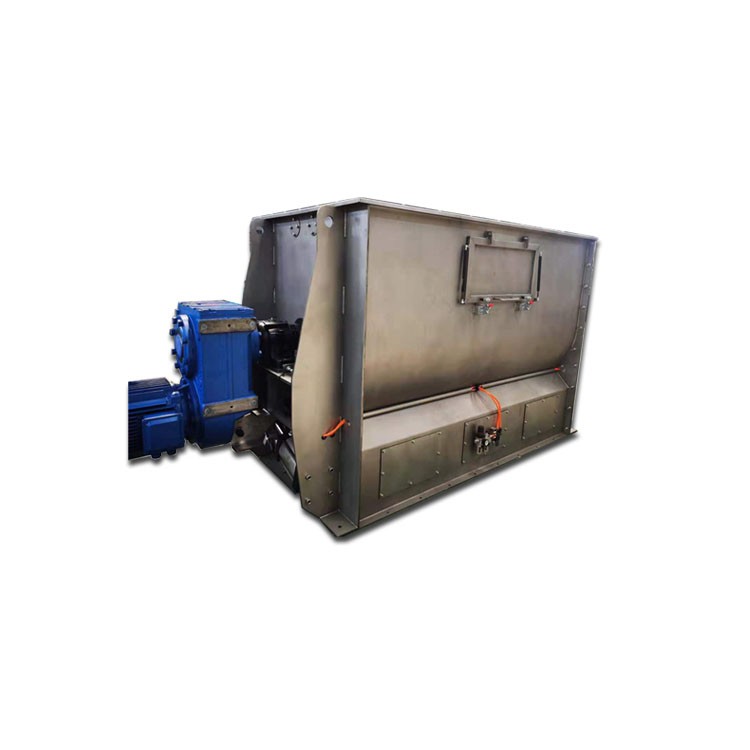
Ensuring the stability of a horizontal mixer during operation is crucial for both the quality of the mixing process and the longevity of the equipment. As a supplier of high - quality horizontal mixers, including the Horizontal Mixer, Double - circle Paddle Mixer, and SLHY Horizontal Mixer, I have gained extensive experience in this field. In this blog, I will share some key strategies to guarantee the stable operation of horizontal mixers.
1. Proper Installation
The first step in ensuring the stability of a horizontal mixer is proper installation. Before installation, a flat and solid foundation must be prepared. The foundation should be able to support the weight of the mixer and withstand the vibrations generated during operation. If the foundation is uneven or weak, it can cause the mixer to shake, leading to premature wear and tear of components and potential safety hazards.
When installing the mixer, it is essential to follow the manufacturer's instructions precisely. All connections, such as those between the mixer body and the motor, and between different parts of the mixer, should be tightened securely. Any loose connections can result in misalignment and instability during operation. Additionally, the mixer should be leveled accurately. A level mixer ensures that the mixing paddles or blades rotate evenly, providing consistent mixing results and reducing stress on the equipment.
2. Regular Maintenance
Regular maintenance is the cornerstone of stable mixer operation. This includes routine inspections, lubrication, and replacement of worn - out parts.
Inspections
Frequent inspections can help detect potential problems early. Check the condition of the mixing paddles or blades regularly. Look for signs of wear, such as excessive thinning or chipping. Worn paddles or blades can affect the mixing efficiency and may cause uneven distribution of materials, leading to instability in the mixing process. Also, inspect the bearings. Bearings are critical components that support the rotating parts of the mixer. Any signs of damage, such as excessive play or abnormal noise, indicate that the bearings need to be replaced.
Inspect the seals as well. Seals prevent the leakage of materials and contaminants into the mixer. Damaged seals can lead to material loss and the entry of foreign objects, which can disrupt the mixing process and cause damage to the internal components of the mixer.
Lubrication
Proper lubrication is vital for the smooth operation of the mixer. Lubricate all moving parts, such as bearings, gears, and shafts, according to the manufacturer's recommendations. Using the right type of lubricant and applying it at the correct intervals can reduce friction and wear, extending the lifespan of the components and ensuring stable operation. Insufficient lubrication can cause overheating, increased noise, and ultimately, equipment failure.
Replacement of Worn - out Parts
Over time, some parts of the mixer will inevitably wear out. It is important to replace these parts promptly to maintain the stability and performance of the mixer. Keep a stock of commonly replaced parts, such as belts, bearings, and paddles, so that you can quickly address any issues when they arise. Using genuine parts from the manufacturer is recommended, as they are designed to fit the mixer precisely and meet the required quality standards.
3. Correct Material Handling
The way materials are handled and fed into the mixer can significantly impact its stability.
Material Characteristics
Understand the characteristics of the materials to be mixed. Different materials have different densities, particle sizes, and flow properties. Some materials may be abrasive, while others may be sticky. These characteristics can affect the mixing process and the wear rate of the mixer components. For example, abrasive materials can cause rapid wear of the mixing paddles and the inner surface of the mixer, while sticky materials may adhere to the paddles and cause imbalance. Adjust the mixing parameters, such as the mixing time and speed, according to the material characteristics to ensure stable and efficient mixing.

Feeding Rate
Control the feeding rate of materials into the mixer. Overloading the mixer can cause excessive stress on the motor and other components, leading to instability and potential damage. On the other hand, under - feeding can result in inefficient mixing. Determine the optimal feeding rate based on the mixer's capacity and the nature of the materials. Use a reliable feeding system, such as a conveyor or a hopper, to ensure a consistent and controlled flow of materials into the mixer.
4. Operator Training
Well - trained operators are essential for the stable operation of a horizontal mixer. Provide comprehensive training to the operators on how to operate the mixer correctly. This includes training on starting and stopping the mixer, adjusting the mixing parameters, and handling emergency situations.
Operators should be aware of the importance of following the operating procedures strictly. For example, they should not start the mixer with a full load if the manufacturer recommends starting it empty. They should also be able to recognize the signs of potential problems, such as abnormal noise or vibration, and take appropriate actions in a timely manner.
5. Monitoring and Control Systems
Installing monitoring and control systems can enhance the stability of the mixer. These systems can provide real - time information about the operating parameters of the mixer, such as temperature, speed, and power consumption.
Temperature Monitoring
Monitoring the temperature of the motor and other critical components can help detect overheating. Overheating can be a sign of various problems, such as excessive friction, insufficient lubrication, or electrical issues. By setting up temperature sensors and alarms, operators can be alerted when the temperature exceeds the normal range, allowing them to take corrective actions before serious damage occurs.
Speed Control
A speed control system allows for precise adjustment of the mixer's rotation speed. Different materials may require different mixing speeds for optimal results. By controlling the speed accurately, the mixer can operate more stably and efficiently. Additionally, a speed control system can protect the mixer from over - speeding, which can cause excessive stress on the components and lead to instability.
Power Consumption Monitoring
Monitoring the power consumption of the mixer can provide insights into its operating condition. An increase in power consumption may indicate a problem, such as a blockage in the mixer or a malfunctioning component. By analyzing the power consumption data, operators can detect potential issues early and take appropriate measures to ensure stable operation.
6. Environmental Considerations
The environment in which the mixer operates can also affect its stability.
Temperature and Humidity
Extreme temperatures and high humidity can have a negative impact on the mixer. High temperatures can cause the lubricants to break down more quickly, leading to increased friction and wear. Low temperatures can make the materials more viscous, affecting the mixing process. High humidity can cause corrosion of metal components. Therefore, it is important to control the temperature and humidity in the mixer's operating environment. If necessary, install heating or cooling systems and dehumidifiers to maintain optimal conditions.
Dust and Contaminants
The presence of dust and contaminants in the operating environment can enter the mixer and cause damage to the internal components. Install dust collection systems to keep the area around the mixer clean. Ensure that the mixer is properly sealed to prevent the entry of dust and other foreign objects.
Conclusion
Ensuring the stability of a horizontal mixer during operation requires a comprehensive approach that includes proper installation, regular maintenance, correct material handling, operator training, the use of monitoring and control systems, and consideration of the operating environment. By implementing these strategies, you can maximize the performance and lifespan of your mixer, providing consistent and high - quality mixing results.
As a leading supplier of Horizontal Mixer, Double - circle Paddle Mixer, and SLHY Horizontal Mixer, we are committed to providing our customers with high - quality products and professional technical support. If you are interested in our mixers or need more information on ensuring the stability of horizontal mixers, please feel free to contact us for procurement and further discussions.
References
- Manufacturer's manuals for horizontal mixers.
- Industry standards and guidelines for mixer operation and maintenance.
- Research papers on the design and operation of industrial mixers.