

Hey there! As a supplier of pellet mills, I often get asked all sorts of questions about what our machines can and can't do. One question that's been popping up a lot lately is, "Can a pellet mill process soybean straw?" Well, let's dive right into it and find out.
First off, let's talk a bit about soybean straw. It's a by - product of soybean harvesting. After the soybeans are taken out, there's this long, fibrous straw left behind. In the past, a lot of this straw was just left in the fields or burned, but now, with the push for more sustainable and efficient use of resources, people are looking at ways to make use of it.
So, can a pellet mill handle soybean straw? The short answer is yes, but there are a few things to keep in mind.
The Feasibility of Processing Soybean Straw in a Pellet Mill
Soybean straw has a relatively high cellulose and hemicellulose content, which are the main components that can be compressed into pellets. When you run soybean straw through a pellet mill, the machine uses pressure to force the straw through small holes in a die. As the straw is pushed through, it gets compacted, and the natural lignin in the straw acts as a binder, holding the pellet together.
However, soybean straw also has some characteristics that can pose challenges. It's quite fibrous, and if it's not properly prepared, it can clog the pellet mill. That's why pre - processing is crucial.
Pre - processing Soybean Straw
Before you feed soybean straw into a pellet mill, you need to do a few things to it. First, you should chop the straw into smaller pieces. This makes it easier for the pellet mill to handle and ensures a more uniform pellet size. You can use a straw chopper for this job.
Next, the moisture content of the straw is super important. The ideal moisture content for pelletizing soybean straw is around 12 - 18%. If the straw is too dry, the pellets won't hold together well. On the other hand, if it's too wet, the pellets will be soft and prone to mold. You might need to dry the straw in the sun or use a dryer to get the moisture content just right.

Advantages of Pelletizing Soybean Straw
There are several good reasons to turn soybean straw into pellets. For one, it's a great way to make use of a waste product. Instead of letting the straw go to waste, you can create a valuable fuel source. Pellets made from soybean straw can be used for heating in homes, farms, or small industries. They burn relatively cleanly and produce less ash compared to some other biomass fuels.
Another advantage is that soybean straw pellets are easy to store and transport. Unlike loose straw, which takes up a lot of space and can be difficult to handle, pellets are compact and can be stored in bags or silos.
Our Pellet Mills and Soybean Straw Processing
At our company, we've designed our pellet mills to be versatile and efficient. They can handle a wide range of raw materials, including soybean straw. Our machines are equipped with high - quality dies and rollers that can apply the right amount of pressure to turn soybean straw into high - quality pellets.
We also offer a range of accessories and pre - processing equipment to make the whole process easier. For example, if you need to chop the soybean straw, we can recommend the right straw chopper for your needs. And if you're having trouble with moisture control, we have dryers that can help you get the straw to the perfect moisture level.
Related Equipment
When it comes to processing soybean straw into pellets, there are other pieces of equipment that can be really useful. For instance, a Grain Industry Extruder can be used to pre - treat the straw. It can break down the fibers further and make the straw more suitable for pelletizing.
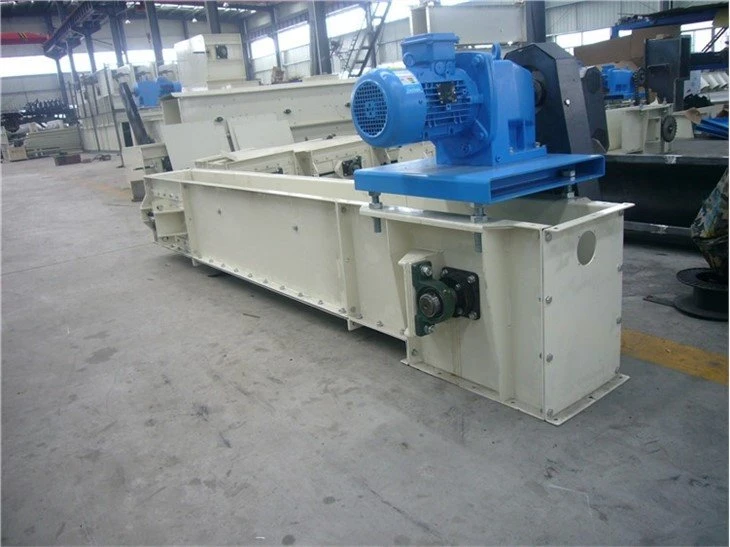
In addition, conveyors are essential for moving the straw and the finished pellets around. We recommend the TGSSP Series Level Drag Conveyor and the Series U - Drag Conveyor. These conveyors are reliable and can handle the heavy - duty task of moving biomass materials.
Tips for Successful Soybean Straw Pelletizing
- Quality Control: Regularly check the quality of the pellets. Look at their size, density, and hardness. If the pellets are not up to standard, you may need to adjust the settings on your pellet mill or the pre - processing steps.
- Maintenance: Keep your pellet mill well - maintained. Clean the dies and rollers regularly to prevent clogging. Replace any worn - out parts as soon as possible to ensure the machine runs smoothly.
- Experimentation: Don't be afraid to experiment with different settings and pre - processing methods. Every batch of soybean straw may be a bit different, so you may need to make some adjustments to get the best results.
Conclusion
So, to sum it up, a pellet mill can definitely process soybean straw. With the right pre - processing and the proper equipment, you can turn this waste product into a valuable fuel source. At our company, we're here to support you every step of the way. Whether you're just starting out or you're looking to upgrade your existing pelletizing operation, we have the expertise and the products to help you succeed.
If you're interested in learning more about our pellet mills or have any questions about processing soybean straw, don't hesitate to reach out. We're always happy to have a chat and discuss how we can work together to meet your needs. Let's turn that soybean straw into something amazing!
References
- Biomass Pellet Handbook: A Guide to Pellet Production and Use.
- Research papers on biomass pelletization from agricultural waste.