

Hey there! As a supplier of Feed Mill Grinders, I've seen my fair share of blockage issues in these machines. Blockages can be a real pain in the neck, causing downtime, reducing efficiency, and even leading to costly repairs. So, in this blog post, I'm gonna share some tips on how to prevent blockage in a feed mill grinder.
1. Choose the Right Grinder for the Job
First things first, it's super important to pick the right feed mill grinder for your specific needs. Different grinders are designed to handle different types and amounts of materials. If you try to force too much material through a grinder that's not built for it, you're asking for trouble.
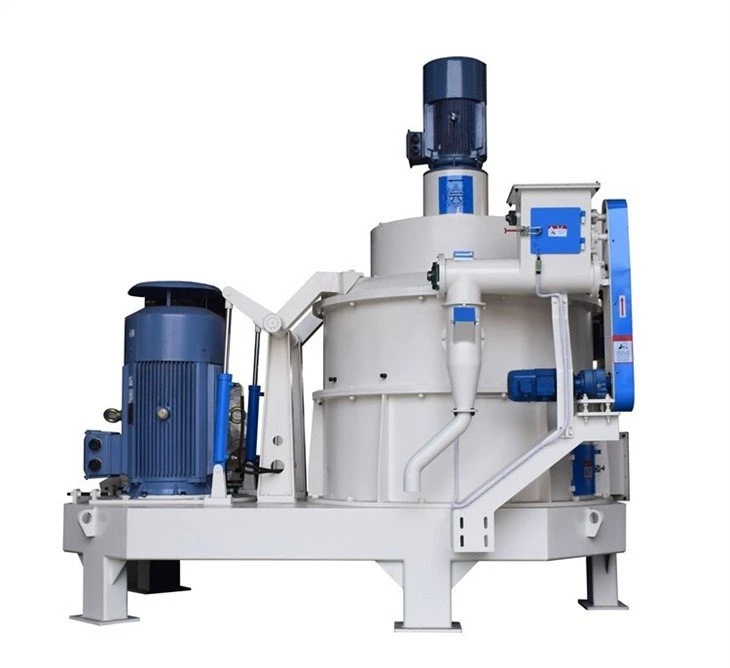
For example, if you're dealing with fine powders or ultra-fine materials, you might want to check out our SWFL Series Ultra-fine Pulverizer. This bad boy is specifically designed to handle these types of materials with ease, reducing the risk of blockage.
If you need a more general-purpose grinder for a variety of materials, our Ultra-fine Pulverizer could be a great option. It offers a good balance of performance and versatility.
2. Proper Material Preparation
Another key factor in preventing blockage is proper material preparation. Before feeding the material into the grinder, make sure it's clean and free of any large chunks, foreign objects, or moisture.
Large chunks can get stuck in the grinder and cause blockages. You can use a pre-screening process to remove any oversized particles. Moisture can also be a problem, as it can cause the material to clump together and clog the grinder. If the material is too wet, you might need to dry it before grinding.
3. Control the Feed Rate
Controlling the feed rate is crucial to prevent blockage. If you feed the material into the grinder too quickly, it won't have enough time to be properly ground, and it can build up and cause a blockage. On the other hand, if you feed it too slowly, it can reduce the efficiency of the grinder.
One way to control the feed rate is to use an Impeller Feeder. This device allows you to precisely control the amount of material that's fed into the grinder, ensuring a steady and consistent flow.

4. Regular Maintenance and Inspection
Regular maintenance and inspection are essential for keeping your feed mill grinder in top condition and preventing blockages. Here are some key maintenance tasks you should perform:
- Clean the Grinder Regularly: Over time, dust and debris can build up inside the grinder, which can lead to blockages. Make sure to clean the grinder regularly, following the manufacturer's instructions.
- Check the Wear Parts: The wear parts of the grinder, such as the hammers, screens, and liners, can wear out over time. If these parts are worn, they can affect the performance of the grinder and increase the risk of blockage. Check the wear parts regularly and replace them as needed.
- Lubricate the Moving Parts: Proper lubrication is important to keep the moving parts of the grinder running smoothly. Make sure to lubricate the bearings, gears, and other moving parts according to the manufacturer's recommendations.
5. Monitor the Grinder's Performance
Monitoring the grinder's performance can help you detect any potential blockage issues early on. Here are some things you can monitor:
- Power Consumption: An increase in power consumption can be a sign that the grinder is struggling to process the material, which could indicate a blockage.
- Sound and Vibration: Unusual sounds or vibrations coming from the grinder can also be a sign of a problem. If you notice any strange noises or vibrations, stop the grinder immediately and check for blockages.
- Output Quality: A decrease in the quality of the output material can also be a sign of a blockage. If the material is not being ground properly, it could be due to a blockage in the grinder.
6. Train Your Operators
Finally, it's important to train your operators on how to properly operate and maintain the feed mill grinder. Make sure they understand the importance of preventing blockages and know how to follow the proper procedures.
Provide your operators with training on how to control the feed rate, perform regular maintenance, and monitor the grinder's performance. Encourage them to report any potential issues immediately so that they can be addressed before they turn into major problems.
Conclusion
Preventing blockage in a feed mill grinder is all about choosing the right grinder, preparing the material properly, controlling the feed rate, performing regular maintenance, monitoring the performance, and training your operators. By following these tips, you can keep your grinder running smoothly and efficiently, reducing downtime and increasing productivity.
If you're interested in learning more about our Feed Mill Grinders or have any questions about preventing blockage, feel free to reach out to us. We'd be happy to help you find the right solution for your needs and get you started on the path to a blockage-free grinding process.
References
- Feed Mill Machinery Handbook
- Best Practices in Feed Mill Operations