

Can a horizontal mixer be used for high - viscosity material mixing? That's a question I get asked a lot as a supplier of horizontal mixers. In this blog, I'm gonna dig deep into this topic and give you the lowdown on whether horizontal mixers are up to the task of handling high - viscosity materials.
Let's start by understanding what high - viscosity materials are. High - viscosity substances are thick and sticky. They don't flow easily like water or other low - viscosity fluids. Think of things like honey on a cold day, molasses, or some types of industrial adhesives. These materials have a high resistance to flow, which makes mixing them a real challenge.
Now, horizontal mixers come in different types, but they generally work on the principle of rotating mixing elements within a horizontal trough. The mixing elements, such as paddles or ribbons, move the materials around, trying to achieve a uniform blend.
One of the main advantages of horizontal mixers is their ability to handle a large volume of materials. They have a wide trough that can hold a significant amount of product, which is great for industrial - scale mixing. However, when it comes to high - viscosity materials, things get a bit tricky.
The high resistance to flow of these materials means that the mixing elements in a horizontal mixer may have a hard time moving through them. The paddles or ribbons can get bogged down, and it might take a much longer time to achieve a homogeneous mixture. In some cases, if the viscosity is extremely high, the mixer might even struggle to start the mixing process at all.
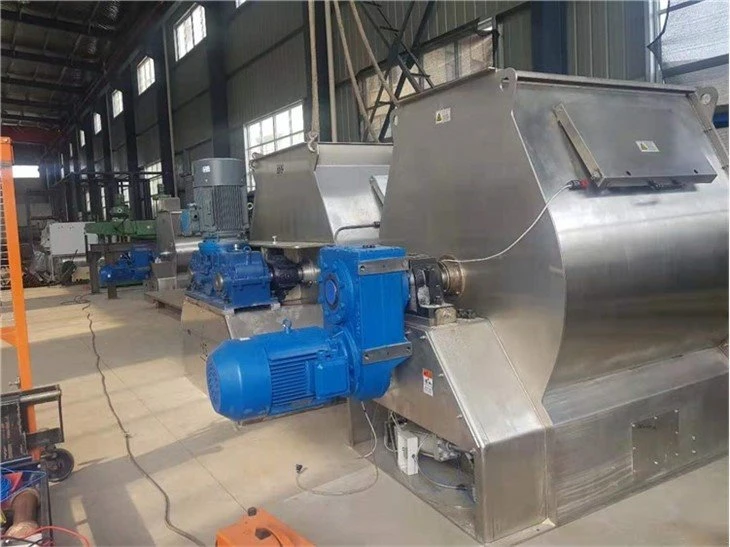
But here's the good news. If designed properly, a horizontal mixer can indeed be used for high - viscosity material mixing. We've been working hard to optimize our horizontal mixers to handle these tough materials. For example, we've increased the power of the drive motors to provide more torque. This extra power helps the mixing elements cut through the thick substances more effectively.
Another improvement we've made is to the design of the mixing elements themselves. We've developed SJHS Paddle Mixer that have a special shape and angle. This design allows them to push and pull the high - viscosity materials more efficiently, promoting better circulation within the mixer.
When it comes to sealing, high - viscosity materials can be really messy. They can seep out from small gaps and cause all sorts of problems. That's why we've paid extra attention to the sealing mechanisms of our horizontal mixers. We use high - quality seals that can withstand the pressure and stickiness of these materials, preventing any leaks.
Let's also talk about the mixing time. High - viscosity materials usually require a longer mixing time compared to low - viscosity ones. But with the right horizontal mixer, we can reduce this time significantly. Our mixers are designed to create a more turbulent flow inside the trough. This turbulence helps break up any clumps and distribute the materials more evenly, speeding up the mixing process.
Now, you might be wondering about the applications. High - viscosity materials are commonly used in industries such as food, chemical, and construction. In the food industry, things like chocolate spreads and peanut butter need to be mixed thoroughly. Our horizontal mixers can handle these thick food products with ease, ensuring a consistent taste and texture.
In the chemical industry, high - viscosity polymers and adhesives are often produced. Our mixers can ensure that all the ingredients are well - blended, which is crucial for the performance of these products. And in the construction industry, materials like mortar and concrete additives sometimes have a high viscosity. Our horizontal mixers can help achieve a uniform mixture, leading to better - quality building materials.
If you're in the market for a mixer specifically for high - viscosity materials, you might also want to consider our Feed Mill Paddle Mixer. While it's named for feed mills, its design and capabilities make it suitable for a wide range of high - viscosity applications.
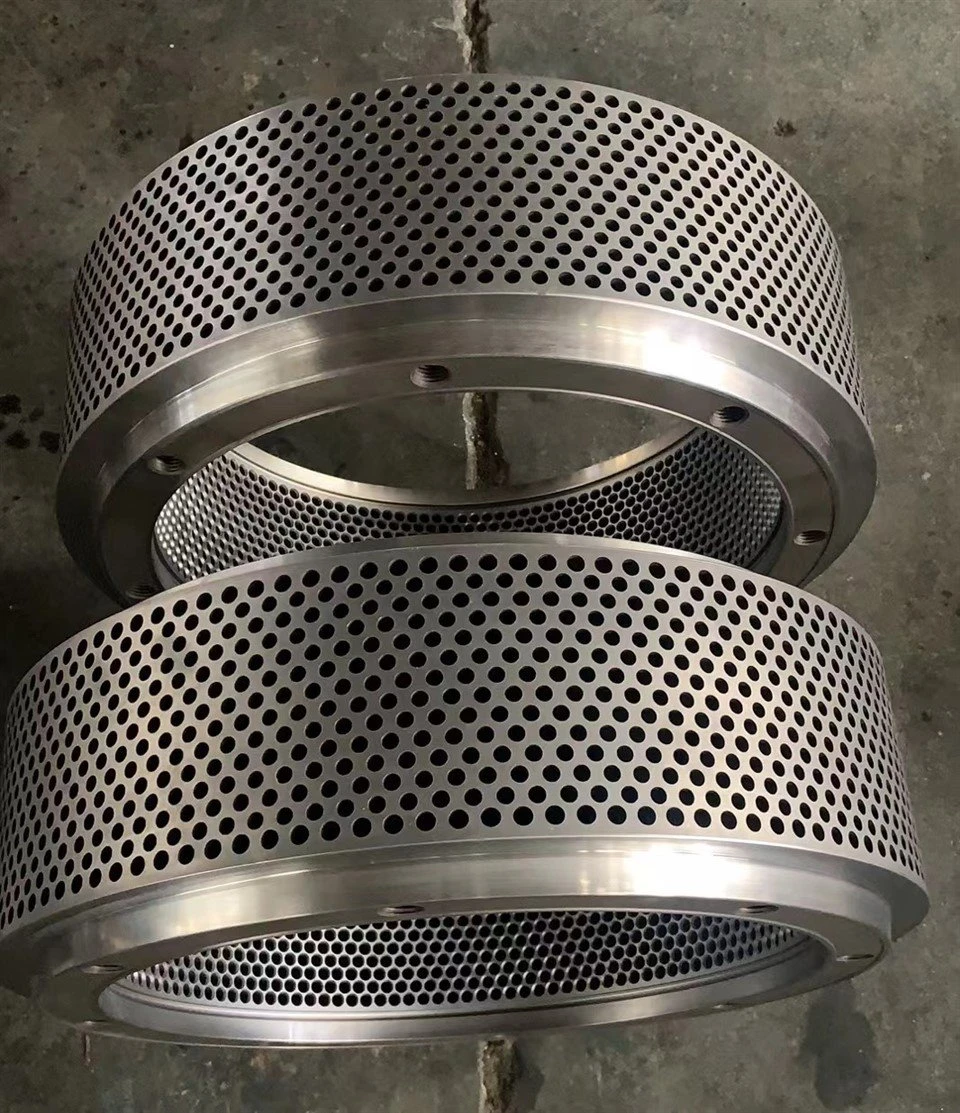
Another related aspect is the role of pellet die manufacturers. If you're using high - viscosity materials to produce pellets, a reliable Pellet Die Manufacturer is essential. The quality of the pellet die can affect the final product's shape and density. And when combined with a well - designed horizontal mixer, you can achieve excellent results in pellet production.
In conclusion, while high - viscosity material mixing is a challenge, a properly designed horizontal mixer can do the job. Our horizontal mixers have been engineered to overcome the difficulties associated with these thick substances. We've focused on power, mixing element design, sealing, and reducing mixing time to provide you with a reliable solution.
If you're interested in learning more about our horizontal mixers or have specific requirements for high - viscosity material mixing, don't hesitate to reach out. We're here to answer your questions and help you find the best mixer for your needs. Let's start a conversation and see how we can work together to improve your mixing processes.
References
- Practical Handbook of Industrial Mixing: Science and Practice by Edward L. Paul, Victor A. Atiemo - Obeng, and Suzanne M. Kresta
- Mixer Design: An Introductory Guide by Carl R. Peacock