

As a supplier of rotary distributors, I've witnessed firsthand the widespread use of these devices across various industries, from agriculture to food processing. Rotary distributors play a crucial role in many processes, yet their environmental impacts are often overlooked. In this blog, I'll delve into the environmental implications of rotary distributors and discuss how we can mitigate any negative effects while maximizing their benefits.
Energy Consumption
One of the primary environmental impacts of rotary distributors is their energy consumption. These machines typically rely on electric motors to power their rotation, which can contribute to significant energy usage, especially in large - scale industrial operations. The energy required to run a rotary distributor depends on several factors, such as its size, the speed of rotation, and the material it is distributing.
For example, a large - scale TFPX Series Rotary Distributor used in a grain storage facility may consume a substantial amount of electricity to operate continuously. This high energy consumption not only leads to increased operational costs but also has environmental consequences. The generation of electricity often involves the burning of fossil fuels, which releases greenhouse gases such as carbon dioxide into the atmosphere, contributing to climate change.
To mitigate this impact, manufacturers can focus on designing more energy - efficient rotary distributors. This can involve using high - efficiency motors, optimizing the mechanical design to reduce friction, and implementing smart control systems that adjust the speed of the distributor based on the actual demand. Additionally, industries can consider using renewable energy sources, such as solar or wind power, to run their rotary distributors, further reducing their carbon footprint.
Noise Pollution
Another environmental concern associated with rotary distributors is noise pollution. The rotating parts of the distributor, along with the movement of materials, can generate significant noise levels during operation. In industrial settings, where multiple rotary distributors may be running simultaneously, the cumulative noise can be quite high.
Excessive noise can have a detrimental effect on the health and well - being of workers in the vicinity. Prolonged exposure to high noise levels can lead to hearing loss, stress, and other health problems. Moreover, noise pollution can also impact the surrounding environment and wildlife, disrupting natural communication patterns and causing stress to animals.
To address this issue, manufacturers can incorporate noise - reducing features into the design of rotary distributors. This can include using sound - absorbing materials in the construction of the distributor housing, adding vibration - damping components to reduce mechanical noise, and optimizing the airflow around the rotating parts. Employers can also provide workers with appropriate hearing protection equipment to minimize the risk of hearing damage.
Material Waste and Emissions
During the operation of a rotary distributor, there is a potential for material waste and emissions. For instance, in the case of a Rotary Grain Distributor, some grain may be spilled or lost during the distribution process. This wasted grain not only represents an economic loss but also has environmental implications.
If the spilled grain is left to decompose on the ground, it can contribute to the release of methane, a potent greenhouse gas. Methane is produced when organic matter decomposes in anaerobic conditions, and large - scale grain spills can result in significant methane emissions. Additionally, the dust generated during the distribution of dry materials, such as grains or powders, can pose a health hazard to workers and may also be released into the environment, contributing to air pollution.
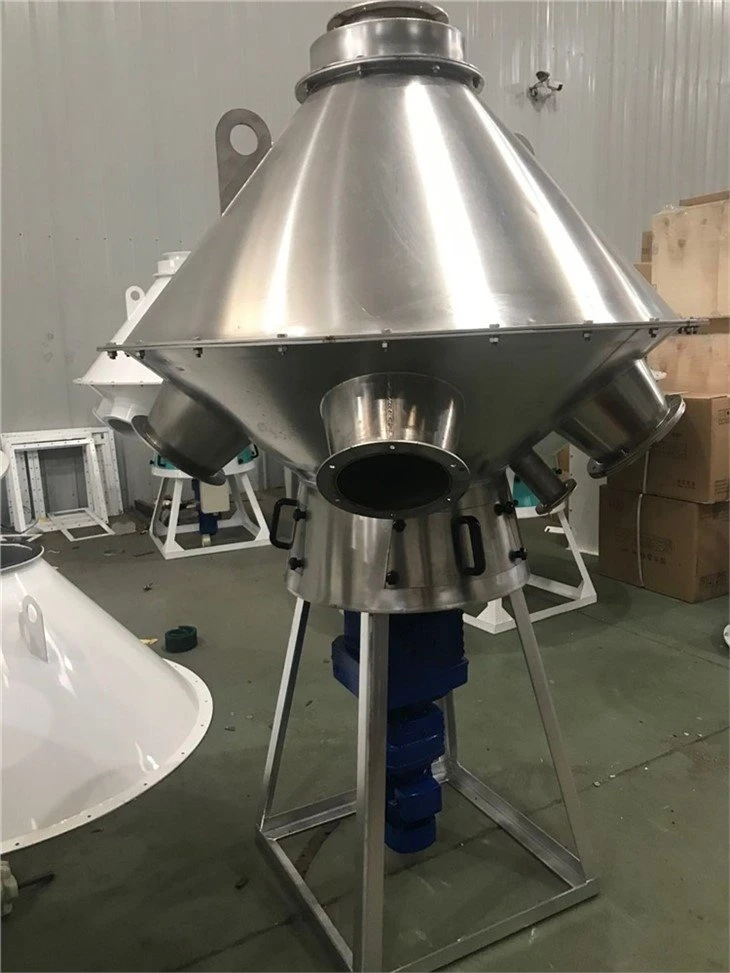
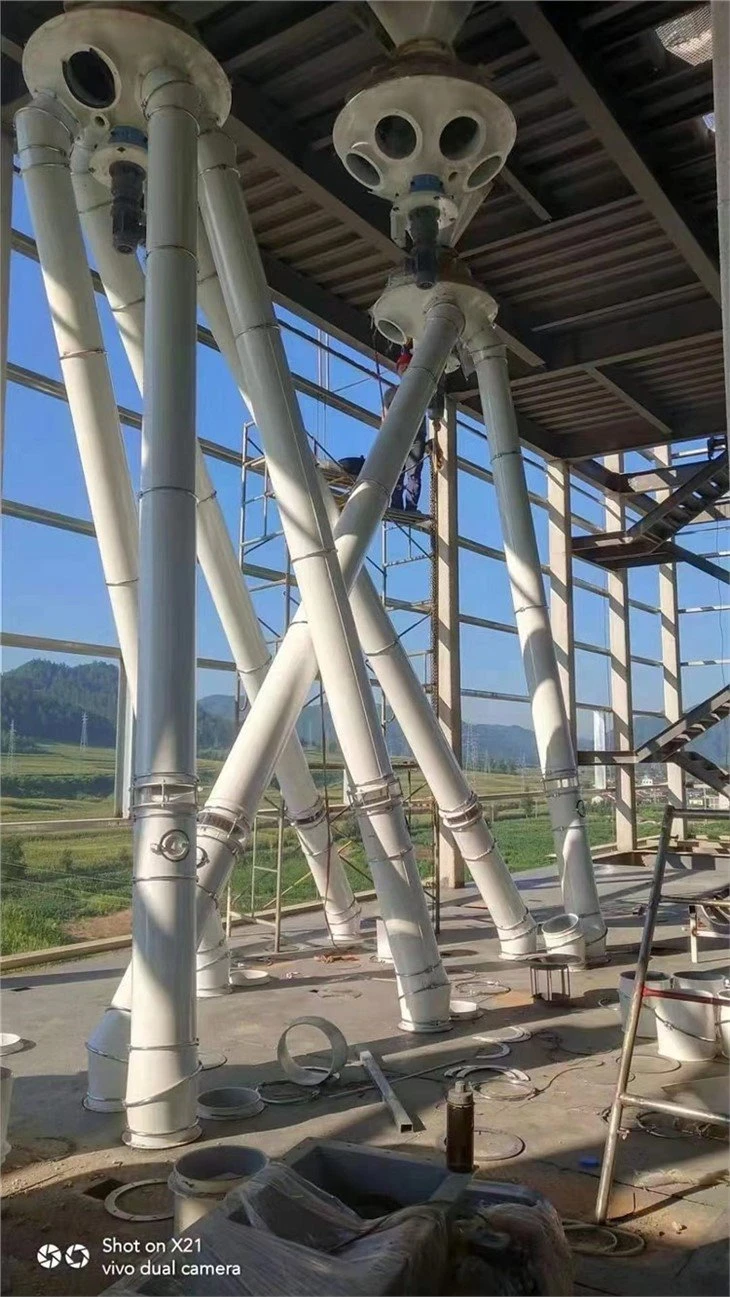
To reduce material waste, manufacturers can design rotary distributors with better sealing mechanisms and more precise distribution systems. This can minimize the amount of material that is spilled or lost during operation. In terms of dust emissions, industries can install dust collection systems to capture and contain the dust, preventing it from being released into the air.
Water Usage
In some applications, rotary distributors may be used in processes that involve water. For example, in the food processing industry, a Rotary Distributor for Feed Machine may be used in a wet - mixing process. The water used in these processes needs to be sourced, treated, and disposed of properly, which can have environmental implications.
Excessive water usage can put a strain on local water resources, especially in areas where water is scarce. Additionally, the disposal of wastewater from these processes can be a challenge, as it may contain contaminants such as chemicals, organic matter, and solids. If not treated properly, the wastewater can pollute local water bodies, harming aquatic life and affecting the quality of drinking water.
To minimize water usage, industries can implement water - saving measures, such as recycling and reusing the water in the process. They can also invest in more efficient water treatment systems to ensure that the wastewater is treated to an acceptable standard before being discharged into the environment.
Contribution to Sustainable Practices
While rotary distributors have some environmental impacts, they can also contribute to sustainable practices in certain ways. For example, in the agricultural industry, rotary distributors can be used to evenly distribute fertilizers and pesticides, which can reduce the amount of these chemicals needed. By applying the right amount of fertilizers and pesticides precisely where they are needed, farmers can minimize the environmental impact of these chemicals, such as leaching into groundwater or runoff into water bodies.
In addition, rotary distributors can help in the efficient handling and distribution of renewable materials, such as biomass. By evenly distributing biomass in a heating system or a power plant, rotary distributors can improve the efficiency of energy production from renewable sources, further promoting the use of clean energy.
Conclusion and Call to Action
The environmental impacts of rotary distributors are a complex issue that requires attention from both manufacturers and users. While there are negative aspects such as energy consumption, noise pollution, material waste, and water usage, there are also opportunities for improvement and sustainable practices.
As a supplier of rotary distributors, we are committed to continuing to develop and provide products that are more environmentally friendly. We encourage industries to consider the environmental impacts when purchasing and operating rotary distributors. By choosing energy - efficient models, implementing noise - reducing measures, reducing material waste, and managing water usage properly, we can all contribute to a more sustainable future.
If you are interested in learning more about our rotary distributors or would like to discuss your specific requirements and how our products can fit into your sustainable operations, we invite you to contact us. We are ready to engage in a productive conversation to meet your needs and help you make more environmentally conscious decisions.
References
- EPA - Environmental Protection Agency. (2023). Energy Efficiency in Industrial Machinery.
- WHO - World Health Organization. (2022). Guidelines on Noise Pollution and Health.
- FAO - Food and Agriculture Organization. (2023). Sustainable Agricultural Practices for Chemical Use.