

Rotary distributors are versatile components commonly used in various industries, and their application in diesel engines is an area that holds significant potential. However, diesel engines have unique requirements compared to other systems where rotary distributors are typically employed. In this blog, as a rotary distributor supplier, I will explore the necessary modifications to use a rotary distributor in a diesel engine.
Understanding the Basics of Diesel Engines and Rotary Distributors
Before delving into the modifications, it's essential to understand the fundamental differences between diesel engines and the typical applications of rotary distributors. Diesel engines operate on the principle of compression - ignition, where air is compressed to a high temperature, and then fuel is injected into the hot air, causing it to ignite spontaneously. Rotary distributors, on the other hand, are often used in applications such as grain handling Rotary Grain Distributor and feed machines Rotary Distributor for Feed Machine. They are designed to distribute materials or substances evenly through a series of outlets.
Key Modifications for Using a Rotary Distributor in a Diesel Engine
1. Material Compatibility
Diesel fuel is a highly corrosive substance. When using a rotary distributor in a diesel engine, the materials of the distributor need to be carefully selected. Commonly, distributors used in other industries may be made of materials that are not resistant to diesel fuel. Materials such as stainless steel or certain types of polymers that are specifically engineered to withstand the corrosive nature of diesel should be used. For example, the internal components of the distributor, such as the valve seats and the rotor, need to be made of corrosion - resistant materials to ensure long - term reliability.
2. Pressure Requirements
Diesel engines operate at high pressures, especially during the injection process. A standard rotary distributor used in other applications may not be designed to handle the high pressures encountered in a diesel engine. Modifications to the distributor's housing and internal components are necessary to ensure that it can withstand the pressure generated by the diesel fuel injection system. Reinforcing the housing with thicker walls and using high - strength materials for critical components can help the distributor handle the pressure. Additionally, the seals in the distributor need to be upgraded to prevent leaks at high pressures.
3. Flow Rate and Precision
In a diesel engine, the fuel injection rate needs to be precisely controlled for optimal engine performance. Rotary distributors typically used in other industries may not have the level of precision required for diesel engines. Modifications to the distributor's flow control mechanisms are necessary. This may involve redesigning the internal channels of the distributor to ensure a consistent and accurate flow of diesel fuel. Advanced flow - metering devices may also need to be incorporated into the distributor to provide real - time control over the fuel flow rate.
4. Lubrication
Diesel engines require proper lubrication to reduce friction and wear. When using a rotary distributor in a diesel engine, the distributor also needs to be properly lubricated. The lubrication system of the distributor may need to be modified to ensure that it uses the same lubricant as the engine or a compatible one. Additionally, the lubrication channels in the distributor need to be designed in such a way that they can effectively reach all the moving parts to prevent premature wear.
5. Temperature Resistance
Diesel engines generate a significant amount of heat during operation. The rotary distributor needs to be able to withstand the high temperatures without losing its structural integrity or functionality. The materials used in the distributor should have a high melting point and good thermal stability. Thermal insulation may also be added to the distributor to protect it from excessive heat and to ensure that the fuel inside does not vaporize prematurely.
Specific Considerations for Different Types of Rotary Distributors
TFPX Series Rotary Distributor
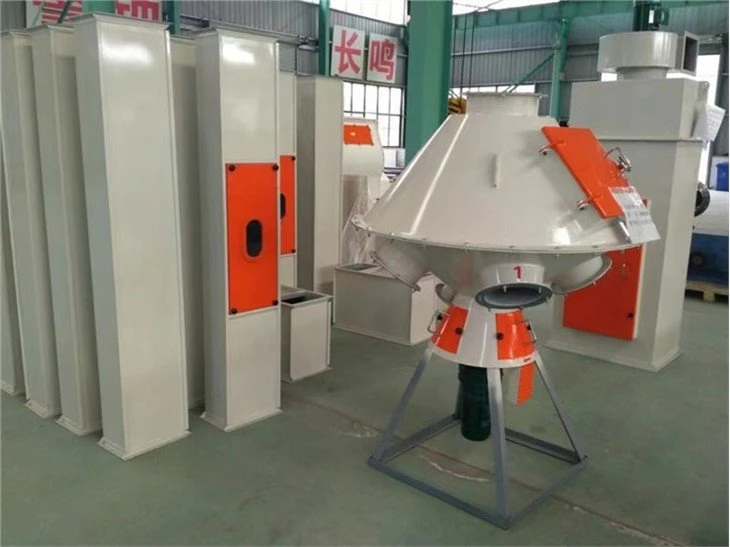
The TFPX Series Rotary Distributor is a popular choice due to its versatility and reliability. When adapting this series for use in a diesel engine, the above - mentioned modifications need to be carefully considered. For example, the TFPX series may need to be made from materials that are highly resistant to diesel fuel and can withstand high pressures and temperatures. The flow control mechanisms of the TFPX series may also need to be fine - tuned to meet the precise fuel injection requirements of a diesel engine.

Benefits of Using a Modified Rotary Distributor in a Diesel Engine
Despite the numerous modifications required, using a rotary distributor in a diesel engine offers several benefits. One of the main advantages is improved fuel distribution. A well - modified rotary distributor can ensure that the diesel fuel is evenly distributed among the engine's cylinders, resulting in more efficient combustion and better engine performance. This can lead to increased power output, reduced fuel consumption, and lower emissions. Additionally, the use of a rotary distributor can simplify the fuel injection system, making it more reliable and easier to maintain.
Contact for Purchase and Consultation
If you are interested in using a rotary distributor in your diesel engine or need further information about the modifications required, we are here to assist you. Our team of experts has extensive experience in adapting rotary distributors for various applications, including diesel engines. We can provide you with customized solutions based on your specific requirements. Contact us today to start the conversation about how our rotary distributors can enhance the performance of your diesel engine.
References
- Heywood, J. B. (1988). Internal Combustion Engine Fundamentals. McGraw - Hill.
- Stone, R. (1999). Introduction to Internal Combustion Engines. SAE International.