

Producing feed pellets with different colors can serve multiple purposes, from enhancing the visual appeal of the product to indicating specific nutritional profiles or types of feed. As a Feed Pellet Mill supplier, we understand the intricacies involved in this process and are here to share some effective ways to achieve this.
Understanding the Basics of Feed Pellet Production
Before delving into color production, it's essential to have a solid understanding of the basic feed pellet production process. A Feed Pellet Mill is a key piece of equipment in this process. It takes raw materials, compresses them under high pressure through a die, and forms them into pellets. The Pellet Mill SZLH Series is one of our popular models, known for its high efficiency and reliability.
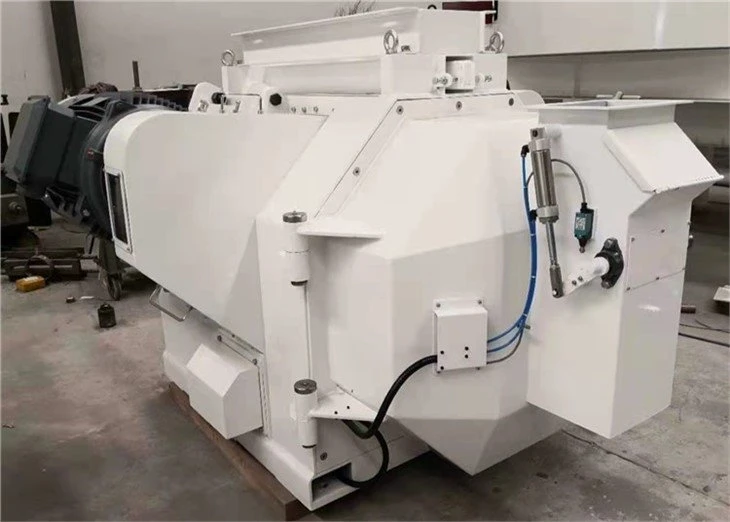

The process typically starts with raw material selection. Common raw materials for feed pellets include grains, such as corn, wheat, and barley, as well as protein sources like soybean meal. These materials are first ground into a fine powder to ensure uniform mixing and better pellet formation. After grinding, the materials are mixed with other ingredients, such as vitamins, minerals, and binders.
Next, the mixture is conditioned. Conditioning involves adding steam to the mixture to increase its moisture content and temperature, making it more malleable and easier to form into pellets. Our Stainless Steel DDC Conditioner is designed to provide precise conditioning, ensuring optimal pellet quality.
Finally, the conditioned mixture is fed into the pellet mill, where it is extruded through the die to form pellets. The pellets are then cooled and dried to remove excess moisture and increase their shelf life.
Ways to Produce Feed Pellets with Different Colors
1. Using Natural Colorants
One of the most common ways to produce feed pellets with different colors is by using natural colorants. Natural colorants are derived from plant, animal, or mineral sources and are generally considered safe for animal consumption.
- Plant - Based Colorants: Many plants contain pigments that can be used to color feed pellets. For example, carrots are rich in carotenoids, which can impart a yellow - orange color to the pellets. Beetroot is another excellent source of natural colorant, providing a deep red color. To use these plant - based colorants, the plants are first processed to extract the pigments. The extracted pigments can then be added to the feed mixture during the mixing stage.
- Animal - Based Colorants: Some animal products can also be used as colorants. For instance, shrimp waste contains astaxanthin, a red pigment. This waste can be processed and added to the feed to give the pellets a red or pinkish color.
- Mineral - Based Colorants: Certain minerals can be used to color feed pellets. For example, iron oxide can be used to produce red or brown - colored pellets. These minerals are usually ground into a fine powder and added to the feed mixture.
2. Utilizing Artificial Colorants
Artificial colorants are another option for producing feed pellets with different colors. These colorants are synthetically produced and offer a wide range of colors and shades. They are often more consistent in color and can be easier to use compared to natural colorants.
However, it's important to note that the use of artificial colorants in animal feed is regulated in many countries. Before using any artificial colorant, it's crucial to ensure that it complies with the relevant regulations. When using artificial colorants, they are typically added to the feed mixture in small amounts during the mixing process.
3. Incorporating Colored Raw Materials
Another way to produce colored feed pellets is by incorporating colored raw materials into the feed mixture. For example, using red sorghum instead of white sorghum can give the pellets a reddish - brown color. Purple corn can be used to produce purple - tinted pellets. This method not only adds color but also provides additional nutritional benefits depending on the properties of the colored raw materials.
4. Post - Pellet Coating
Post - pellet coating is a technique where a coating material is applied to the surface of the already formed pellets. This coating can contain colorants, as well as other substances such as oils or flavors. The coating can be applied using a sprayer or a coating drum.
This method allows for greater flexibility in color application. For example, different colors can be applied to different batches of pellets, or a multi - colored effect can be achieved by applying multiple coatings. It also provides an opportunity to protect the pellets from moisture and oxidation, extending their shelf life.
Factors to Consider When Producing Colored Feed Pellets
When producing feed pellets with different colors, several factors need to be considered to ensure the quality and safety of the product.
- Color Stability: The color of the feed pellets should be stable during storage and under different environmental conditions. Some colorants may fade or change color over time, especially when exposed to light, heat, or moisture. It's important to choose colorants that are stable and to store the pellets in appropriate conditions.
- Nutritional Integrity: The addition of colorants should not compromise the nutritional value of the feed pellets. Some colorants may react with other ingredients in the feed, reducing their bioavailability. It's crucial to conduct thorough testing to ensure that the colorants do not have a negative impact on the nutritional quality of the feed.
- Cost - Effectiveness: The cost of producing colored feed pellets should be balanced with the market demand and the price that consumers are willing to pay. Natural colorants may be more expensive than artificial colorants, but they may also have a higher market appeal due to their perceived health benefits.
Conclusion
Producing feed pellets with different colors is a complex process that requires a good understanding of feed pellet production and the properties of colorants. As a Feed Pellet Mill supplier, we offer a range of equipment, such as the Chicken Feed Pellet Mill, Stainless Steel DDC Conditioner, and Pellet Mill SZLH Series, to help you achieve high - quality colored feed pellets.
If you are interested in producing feed pellets with different colors or have any questions about our equipment, please feel free to contact us for further discussion and potential procurement. We look forward to working with you to meet your feed pellet production needs.
References
- Andrews, J. R., & Brady, T. (2015). Feed production technology and its impact on animal performance. Journal of Animal Science, 93(5), 1934 - 1942.
- College, M. C. R. M. (2008). Chapter 5: Feed ingredients and additives. Retrived from https://www.atsa.edu.pk/uploads/library/FeedTechnology/chap05.pdf
- Pelleted feed production. (n.d.). Retrieved from https://agritech.tnau.ac.in/animal_husbandry/anihus_pelletedfeed.html