

Hey there! As a supplier of counterflow coolers, I often get asked about the temperature range these nifty machines can achieve. So, let's dive right in and break it down.
First off, what exactly is a counterflow cooler? Well, it's a key piece of equipment in many industries, especially in the feed pellet production field. The basic idea behind a counterflow cooler is to cool down hot products, like freshly made feed pellets, by using a counter - current flow of cooling air. This method is super efficient because it allows for a more uniform and effective cooling process.
Now, onto the main question: what temperature range can a counterflow cooler reach? The answer isn't set in stone and can vary depending on a few different factors. Let's start by looking at the starting temperature of the product that goes into the cooler.
For instance, in feed pellet production, hot pellets typically come out of the pellet mill at a temperature ranging from around 75°C to 95°C (167°F - 203°F). That's pretty toasty! The goal of the counterflow cooler is to bring this temperature down to a safe and usable level.
Most of the time, a well - functioning counterflow cooler can cool the pellets to a temperature within a range of about 3°C to 5°C (5.4°F - 9°F) above the ambient air temperature. So, if the ambient air temperature is 25°C (77°F), the cooler should be able to get the pellets down to a temperature between approximately 28°C and 30°C (82.4°F - 86°F).
However, it's important to note that achieving this ideal temperature range isn't always a walk in the park. There are several factors that can influence the cooler's performance.
One of the biggest factors is the airflow rate. If the airflow through the cooler is too low, the cooling process will be slow, and it might not be able to reach the desired temperature range. On the other hand, if the airflow is too high, it could cause the pellets to break or create an uneven cooling pattern. So, finding the right balance is crucial.
Another important factor is the moisture content of the product. Moisture can affect how well the heat is transferred during the cooling process. Higher moisture content can slow down the cooling rate because more energy is needed to evaporate the water. This is why it's often recommended to have a proper pre - conditioning process before pelletizing to control the moisture of the raw materials.
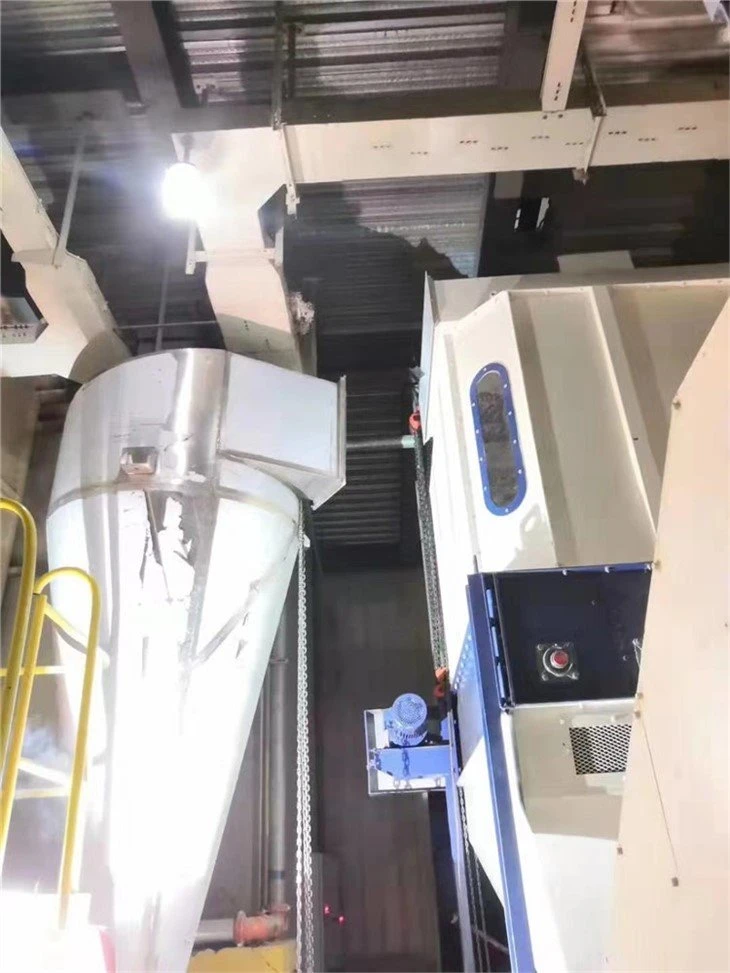
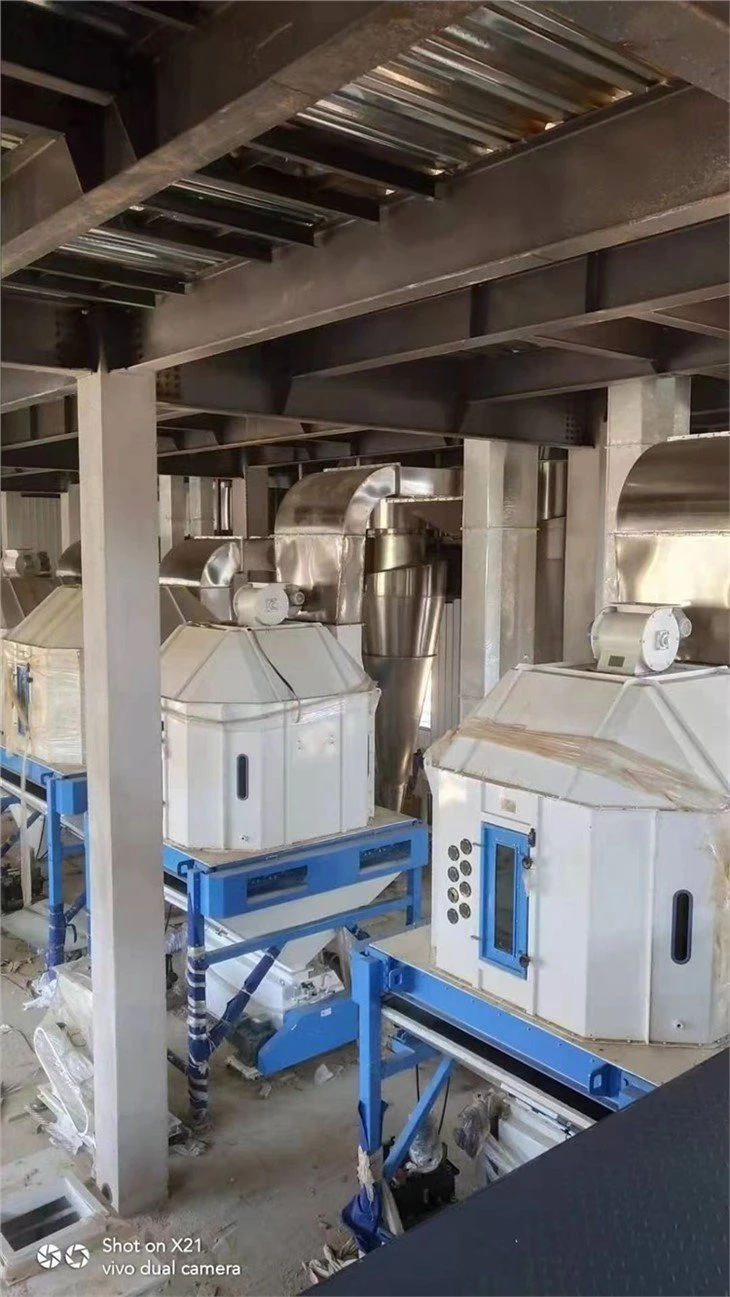
The design and size of the counterflow cooler also play a significant role. Different models have different capacities and cooling efficiencies. For example, our SKLN Counterflow Cooler and Counterflow Feed Pellet Cooler are designed with advanced features to optimize the cooling process. They have well - engineered airflow systems and adjustable parameters to ensure that they can achieve the best possible temperature range for a variety of products.
Let's talk a bit more about the significance of getting the temperature right. In the feed industry, if the pellets are not cooled properly, they can develop mold and bacteria growth during storage. This not only reduces the quality and shelf - life of the feed but can also have negative impacts on the health of the animals that consume it.
Moreover, proper cooling can help improve the physical properties of the pellets. Cooled pellets are harder and more durable, which makes them easier to handle, transport, and store. They also have a better appearance, which can be important for marketing purposes.
Now, you might be thinking about how to ensure that your counterflow cooler is performing at its best to reach the desired temperature range. Regular maintenance is a must. This includes cleaning the cooling chamber, checking the fans and motors, and ensuring that all the adjustment mechanisms are working properly.
It's also a good idea to monitor the temperature and other parameters during the operation. Modern counterflow coolers often come with advanced control systems that allow you to keep an eye on things like the inlet and outlet temperatures, airflow rate, and pressure differentials. By analyzing this data, you can make adjustments as needed to optimize the cooling process.
If you're in the market for a counterflow cooler or looking to upgrade your existing one, we've got you covered. Our coolers are built with high - quality materials and the latest technology to ensure reliable and efficient performance. Whether you're a small - scale feed producer or a large industrial operation, we have a solution that can meet your specific needs.
We understand that every business is different, and that's why we offer customized options. We can work with you to design a counterflow cooler that fits your production volume, product type, and space requirements. Our team of experts is always ready to provide you with professional advice and support.
So, if you're interested in learning more about our counterflow coolers or want to discuss your specific needs, don't hesitate to contact us. We're here to help you make the right choice and get the most out of your cooling system.
To sum it up, a counterflow cooler can typically cool hot products like feed pellets to a temperature around 3°C to 5°C above the ambient air temperature, but this can be affected by factors such as airflow rate, moisture content, and cooler design. By choosing the right cooler and maintaining it properly, you can ensure that your products are cooled to the optimal temperature range, keeping them fresh, high - quality, and profitable.
Looking forward to hearing from you and helping you take your production to the next level!
References
- "Feed Pellet Production Technology" - A handbook on the key aspects of feed pellet manufacturing processes.
- Industry research reports on the performance and design of counterflow coolers in the feed and related industries.