

When it comes to running a successful feed mill, one of the most crucial pieces of equipment you'll need is a feed mill mixer. These machines are responsible for blending various ingredients together to create a uniform and nutritious feed for livestock and poultry. But with so many options on the market, it's natural to wonder about the price range of feed mill mixers. As a feed mill mixer supplier, I'm here to break it down for you.
Factors Affecting the Price of Feed Mill Mixers
Before we dive into the price ranges, it's essential to understand the factors that can influence the cost of a feed mill mixer. Here are some key considerations:
1. Type of Mixer
There are several types of feed mill mixers available, each with its own unique features and price point. Some common types include ribbon mixers, paddle mixers, and horizontal mixers. For example, the Double - circle Paddle Mixer is a popular choice due to its efficient mixing capabilities. Paddle mixers, in general, tend to be more expensive than some basic ribbon mixers because they offer better mixing quality and can handle a wider range of ingredients.
2. Capacity
The capacity of the mixer is another significant factor. Larger capacity mixers can process more feed at once, which is great for large - scale feed mills. However, they also come with a higher price tag. A small - scale feed mill might get by with a mixer that has a capacity of a few hundred kilograms per batch, while a large commercial operation could require a mixer that can handle several tons.
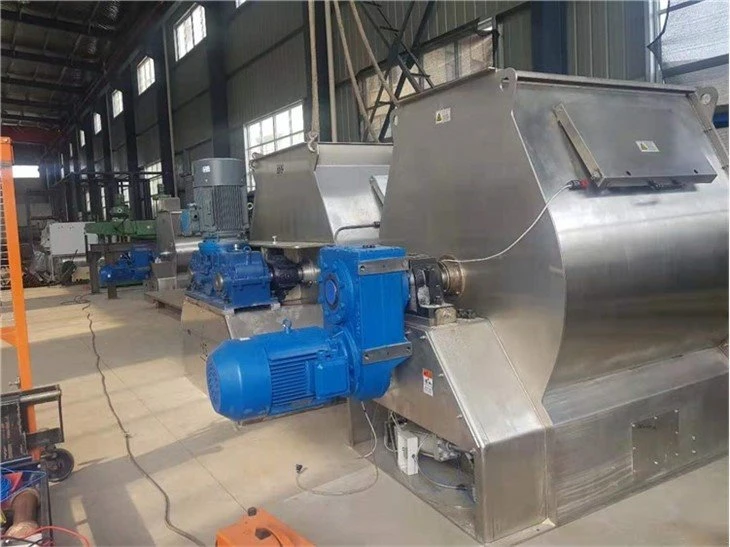

3. Build Quality and Materials
The quality of the materials used in the construction of the mixer and the overall build quality can greatly affect the price. Mixers made from high - grade stainless steel or other durable materials will generally cost more. But they also tend to last longer and require less maintenance, which can save you money in the long run.
4. Additional Features
Some feed mill mixers come with extra features such as automated controls, variable speed settings, and advanced mixing algorithms. These features can enhance the efficiency and performance of the mixer but will also increase the price. For instance, a mixer with automated controls can help reduce labor costs and ensure consistent mixing results.
Price Ranges of Different Feed Mill Mixers
Now, let's take a look at the approximate price ranges for different types of feed mill mixers.
Small - Scale Mixers
For small - scale feed mills or hobbyist farmers, there are affordable options available. These mixers typically have a capacity of less than 500 kilograms per batch. You can find basic ribbon mixers for as low as $1,000 - $3,000. These are simple machines that can get the job done for smaller operations. However, if you're looking for a more efficient and higher - quality mixer, a small SJHS Paddle Mixer or a small horizontal mixer could cost between $3,000 - $8,000. These offer better mixing performance and are more versatile in terms of the types of ingredients they can handle.
Medium - Scale Mixers
Medium - scale feed mills that need to process a few tons of feed per day will require more robust mixers. Medium - sized paddle mixers or horizontal mixers with a capacity of 500 kilograms to 2 tons per batch can range from $8,000 - $20,000. These mixers usually come with better build quality and may include some additional features like basic automation or variable speed settings. The Horizontal Mixer is a common choice in this category, known for its reliability and efficient mixing.
Large - Scale Mixers
Large commercial feed mills that produce high volumes of feed need heavy - duty mixers. Mixers with a capacity of 2 tons or more per batch can cost anywhere from $20,000 to over $50,000. These large - scale mixers are often fully automated, made from the highest - quality materials, and come with advanced mixing technologies. They are designed to operate continuously and with maximum efficiency to meet the demands of large - scale production.
Cost - Benefit Analysis
When considering the price of a feed mill mixer, it's important to do a cost - benefit analysis. A cheaper mixer might seem like a good deal upfront, but it could end up costing you more in the long run. For example, if a low - cost mixer breaks down frequently or doesn't mix the feed properly, you'll have to deal with production losses and the cost of repairs.
On the other hand, investing in a high - quality, more expensive mixer can lead to better - quality feed, higher production efficiency, and lower maintenance costs over time. It's also important to consider factors like energy consumption. A more efficient mixer may consume less energy, which can result in significant savings on your electricity bill.
Why Choose Our Feed Mill Mixers
As a feed mill mixer supplier, we understand the importance of providing high - quality mixers at competitive prices. Our mixers are designed and manufactured with the latest technology and high - grade materials. We offer a wide range of mixers, from small - scale to large - scale, to meet the needs of different customers.
Our customer service team is always ready to help you choose the right mixer for your specific requirements. We also provide after - sales support, including maintenance and repair services, to ensure that your mixer operates smoothly for years to come.
Contact Us for a Quote
If you're in the market for a feed mill mixer, we'd love to hear from you. Whether you're a small hobbyist farmer or a large commercial feed mill operator, we can offer you a suitable mixer at a competitive price. Contact us today to discuss your needs and get a personalized quote. Our team of experts will work with you to understand your requirements and recommend the best mixer for your feed mill.
References
- Industry reports on feed mill equipment pricing
- Manufacturer catalogs and product specifications