

As a seasoned supplier of feed pellet mills, I'm often posed with a thought-provoking question: "Can a feed pellet mill be modified to increase its functionality?" This inquiry is not only relevant but also crucial for many in the animal feed industry. In this blog post, I'll delve into the possibilities of modifying a feed pellet mill to enhance its capabilities, drawing from my years of experience in the field.
Understanding the Basics of Feed Pellet Mills
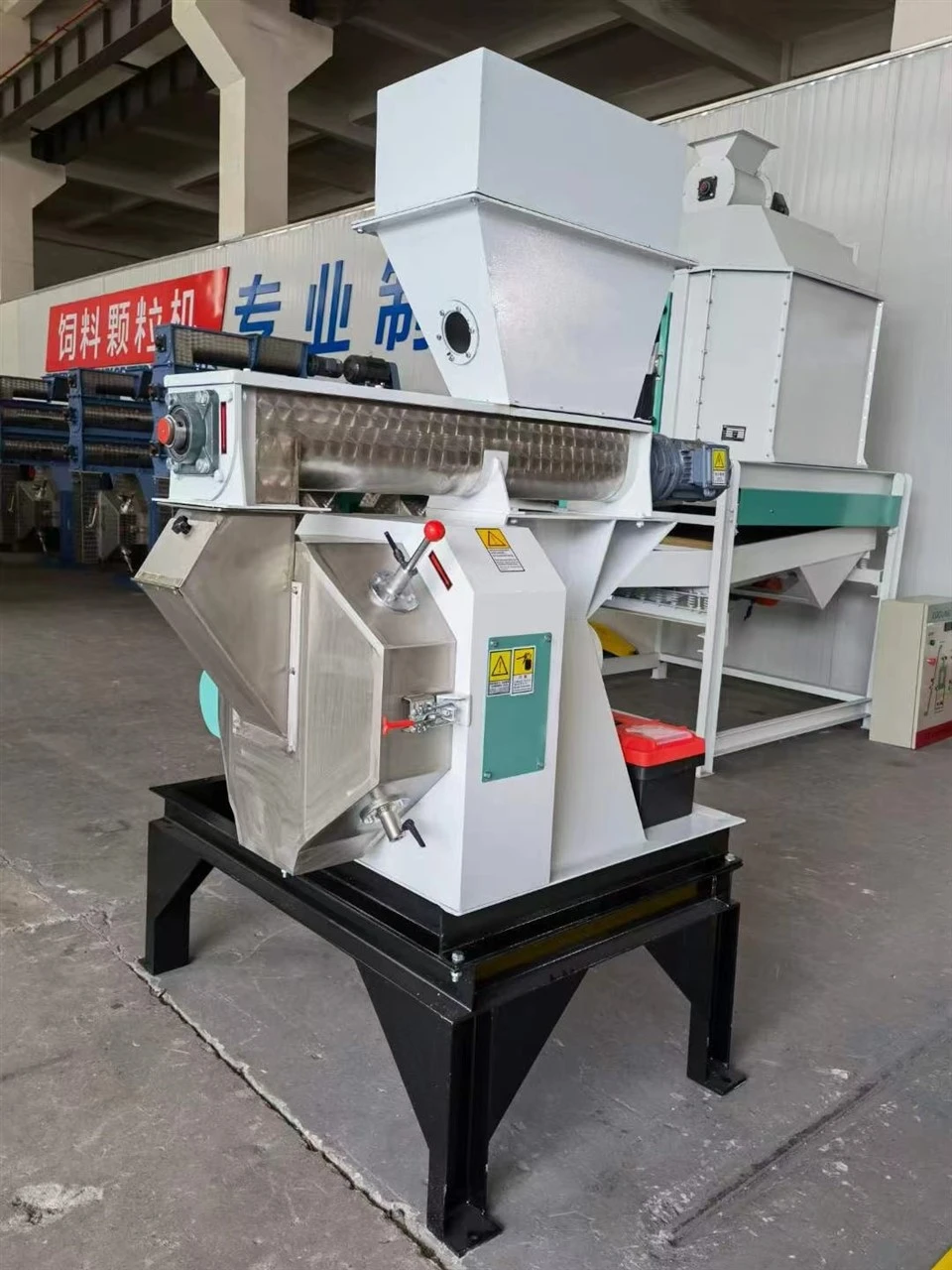
Before we explore the potential modifications, it's essential to grasp the fundamental working principles of a feed pellet mill. These machines are designed to compress powdered feed materials into compact pellets. The process typically involves feeding the raw materials into the mill, where they are then subjected to high pressure and temperature. This pressure forces the materials through small holes in a die, creating uniform pellets.
The type of feed pellet mill can vary, from small-scale Rabbit Pellet Making Machine suitable for home use to large industrial models. Each type has its own set of specifications and functions, but the core purpose remains the same – to produce high-quality feed pellets efficiently.
Common Reasons for Modification
There are several reasons why a user might consider modifying a feed pellet mill. One of the primary reasons is to improve the efficiency of the machine. For example, a mill that operates at a low production rate can be modified to increase its throughput. This could involve upgrading the motor to provide more power or optimizing the feed delivery system to ensure a consistent flow of materials.
Another reason is to enhance the quality of the pellets produced. By modifying the die design or adjusting the pressure and temperature settings, it's possible to create pellets that are more uniform in size, density, and durability. This is particularly important for livestock owners who want to provide their animals with nutritionally balanced and easily digestible feed.
Compatibility with different types of feed materials is also a significant factor. Some mills may struggle to process certain raw materials, such as fibrous or oily feeds. Modifying the mill can involve adding specialized components or adjusting the internal mechanisms to handle a wider range of materials effectively.
Possible Modifications and Their Benefits
1. Upgrading the Conditioning System
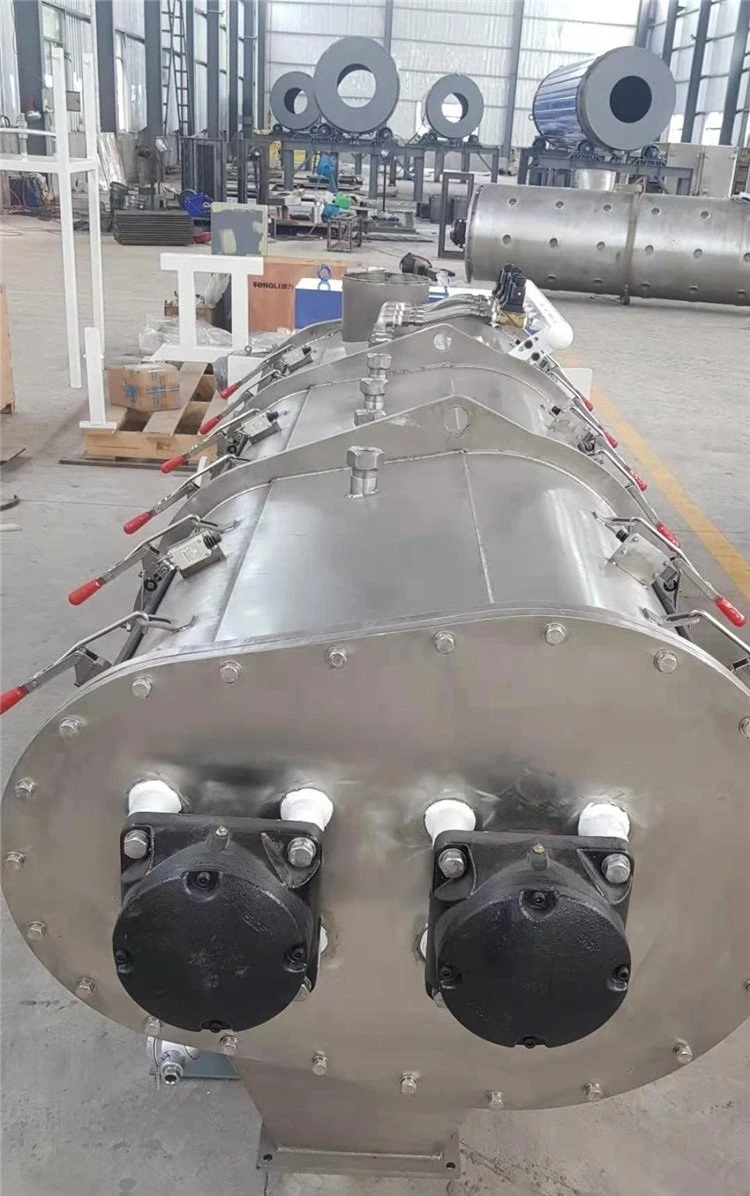
The conditioning system is a critical part of a feed pellet mill as it helps to prepare the raw materials for pelleting. One possible modification is to install a Stainless Steel DDC Conditioner. These conditioners use direct steam injection to heat and moisten the feed, which improves its plasticity and makes it easier to form into pellets.
The benefits of upgrading the conditioning system are numerous. Firstly, it can increase the production capacity of the mill by reducing the resistance of the materials during pelleting. Secondly, it can enhance the quality of the pellets by ensuring a more uniform moisture distribution, which leads to better binding and fewer fines.
2. Changing the Die and Roller Configuration
The die and roller are the primary components responsible for forming the pellets. Modifying these components can have a significant impact on the functionality of the mill. For instance, changing the die hole size can alter the diameter of the pellets produced, allowing the mill to meet different customer requirements.
In addition, upgrading the roller material or design can improve the wear resistance and efficiency of the pelleting process. Some advanced rollers are designed to minimize friction and reduce energy consumption, resulting in cost savings for the user.
3. Adding Automation and Control Systems
In today's technological era, automation and control systems are becoming increasingly popular in the feed pellet mill industry. By adding a programmable logic controller (PLC) and sensors to the mill, it's possible to automate various operations, such as feed intake, temperature control, and pellet quality monitoring.
These systems offer several benefits. They can improve the precision and consistency of the pelleting process, reduce human error, and enhance overall productivity. Moreover, they provide real-time data and analytics, which can be used to optimize the mill's performance and minimize downtime.
Considerations Before Modifying a Feed Pellet Mill
While modifying a feed pellet mill can bring many benefits, it's important to consider several factors before making any changes. Firstly, ensure that the modifications comply with all relevant safety standards and regulations. This will help to prevent accidents and ensure the long-term reliability of the machine.
Secondly, consider the cost-benefit ratio of the modifications. Some upgrades may require a significant investment, so it's crucial to evaluate whether the potential benefits justify the expense. It's also advisable to consult with the original equipment manufacturer or a qualified technician to get an accurate estimate of the costs and expected outcomes.
Finally, keep in mind that modifying a feed pellet mill may affect its warranty. Before proceeding with any modifications, check the manufacturer's warranty policy to avoid any potential issues.
Pellet Mill Lab - size and Experimental Modifications
For those who want to test the feasibility of modifications before implementing them on a larger scale, a Pellet Mill Lab - size can be a valuable tool. These smaller mills are designed for research and development purposes, allowing users to experiment with different modifications and settings in a controlled environment.
By using a lab - size pellet mill, you can gather data on the performance of the modified mill, such as production rate, pellet quality, and energy consumption. This information can then be used to make informed decisions about whether to proceed with the modifications on a full - scale production mill.
Conclusion
In conclusion, a feed pellet mill can indeed be modified to increase its functionality. Through strategic upgrades such as improving the conditioning system, changing the die and roller configuration, and adding automation and control systems, it's possible to enhance the efficiency, quality, and versatility of the machine.
However, it's essential to approach modifications with caution, taking into account safety, cost, and warranty considerations. If you're unsure about the best way to modify your feed pellet mill, don't hesitate to reach out to us. As a leading supplier of feed pellet mills, we have the expertise and experience to provide you with professional advice and solutions tailored to your specific needs.
Whether you're looking to upgrade an existing mill or invest in a new one, we're here to assist you. Contact us today to start a discussion about how we can help you optimize your feed pellet production process.
References
- "Feed Pellet Mill Technology" by Industry Publications.
- Research papers on animal feed processing and pelleting technology.