

As a reputable supplier of high - quality Horizontal Mixers, we understand the importance of controlling dust emissions in the operation of these machines. Dust emissions from a horizontal mixer can pose various problems, such as environmental pollution, health hazards to workers, and potential damage to the equipment itself. In this blog, we will explore effective methods to control the dust emission of a horizontal mixer.
Understanding the Causes of Dust Emission in Horizontal Mixers
Before we dive into the solutions, it's essential to understand why dust is generated in horizontal mixers. Firstly, the mixing process of different materials often involves the agitation and movement of dry and fine - grained substances. As these materials are tossed and turned inside the mixer, small particles can be dislodged and become airborne. Secondly, the intake and discharge of materials, especially when they are poured or emptied rapidly, can also create dust clouds. Moreover, if the mixer is not properly sealed, dust can escape during operation.
Effective Methods to Control Dust Emission
Sealing the Mixer
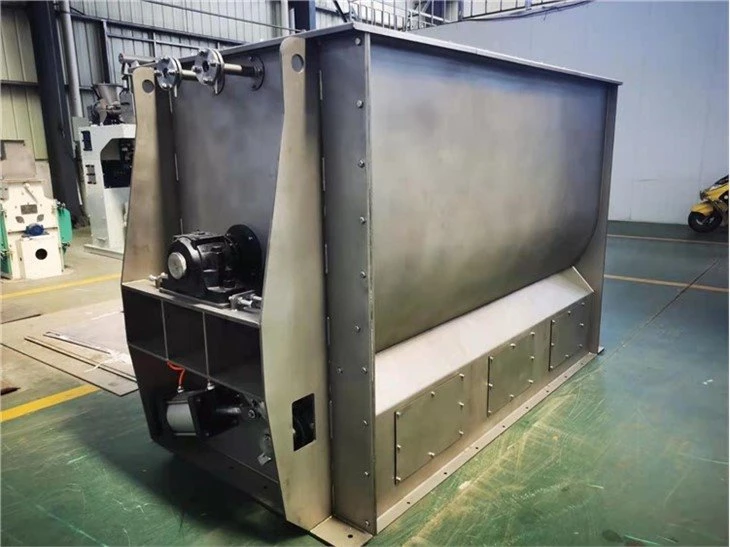
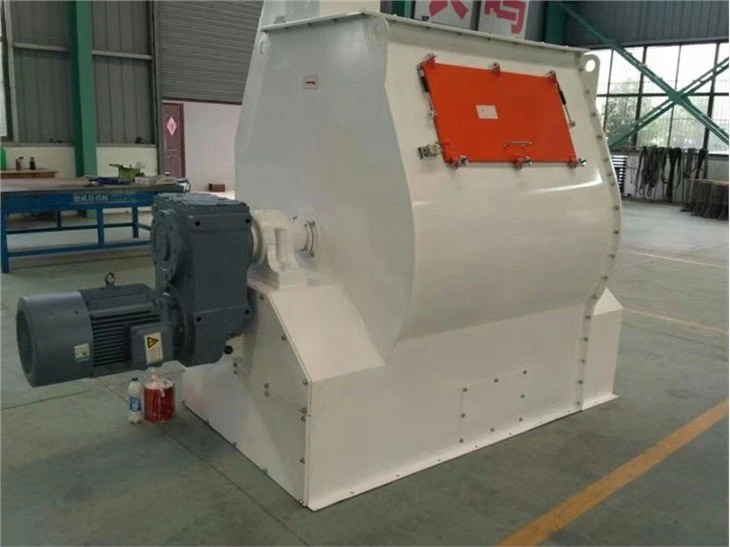
One of the most fundamental steps in dust control is to ensure that the horizontal mixer is well - sealed. A good seal can prevent dust from leaking out during the mixing process. At our company, we offer a range of well - designed mixers like the SLHY Horizontal Mixer, which are equipped with high - quality sealing gaskets and doors. These components are made of durable materials that can withstand the wear and tear of regular use, ensuring a tight seal at all times.
Using Dust Collection Systems
Installing a dust collection system is a highly effective way to control dust emission. There are several types of dust collection systems available, such as cyclone separators, bag filters, and cartridge collectors. These systems work by capturing the dust particles generated during the mixing process. For example, a cyclone separator uses centrifugal force to separate the dust from the air. The heavier dust particles are forced to the outer wall of the cyclone and then collected in a hopper, while the clean air is released.
Our SJHS Paddle Mixer can be easily integrated with a suitable dust collection system. By choosing the right combination of mixer and dust collector, you can significantly reduce the amount of dust released into the environment.
Controlling the Material Loading and Discharging Process
The way materials are loaded and discharged can have a significant impact on dust emission. To minimize dust creation during material intake, we recommend using slow - feed mechanisms. Instead of pouring a large amount of material into the mixer at once, use a conveyor belt or a screw feeder to gradually add the materials. This method reduces the amount of air displaced and thus the generation of dust.
During the discharging process, ensure that the discharge chute is properly designed to direct the flow of materials smoothly. Also, consider using a soft - landing system, which can help to reduce the impact of the materials hitting the receiving container and prevent the formation of dust clouds.
Regular Maintenance and Inspection
Regular maintenance of the horizontal mixer is crucial for effective dust control. Inspect the seals, gaskets, and other components regularly to ensure they are in good condition. Replace any worn - out parts immediately to maintain a proper seal.
Clean the mixer and the dust collection system regularly. A build - up of dust inside the mixer can increase the likelihood of dust emission during subsequent operations. Refer to the manufacturer's guidelines for the proper cleaning and maintenance procedures.
Employee Training
Properly trained employees can play a vital role in dust control. Train your workers on the correct operation of the horizontal mixer, including the proper loading and discharging procedures. Teach them about the importance of dust control and the potential health hazards associated with dust exposure. Also, ensure that they know how to perform basic maintenance tasks and how to recognize signs of a faulty seal or a malfunctioning dust collection system.
Benefits of Controlling Dust Emission
Controlling dust emission from a horizontal mixer has several benefits. Firstly, it helps to protect the environment by reducing air pollution. This is in line with environmental regulations and can prevent your business from facing hefty fines. Secondly, improved dust control creates a safer working environment for your employees. By reducing their exposure to airborne dust, you can lower the risk of respiratory diseases and other health problems.
Thirdly, controlling dust emission can enhance the performance and lifespan of the mixer. Dust can cause abrasive wear on the internal components of the mixer, leading to premature failure. By keeping the dust under control, you can reduce the maintenance costs and ensure the smooth operation of the equipment.
Conclusion
Controlling the dust emission of a horizontal mixer requires a comprehensive approach that includes proper sealing, the use of dust collection systems, careful management of the material loading and discharging process, regular maintenance, and employee training. As a trusted supplier of Horizontal Mixers, we can provide you with high - quality equipment and professional advice on dust control.
If you're interested in learning more about our horizontal mixers or need assistance in setting up an effective dust control system, we encourage you to contact us for a procurement discussion. Our team of experts is ready to assist you in choosing the right solution for your specific needs.
References
- "Industrial Mixer Handbook". This handbook provides in - depth knowledge about the operation and maintenance of industrial mixers, including horizontal mixers.
- "Dust Control in Industrial Processes". A research report that explores various dust control methods in different industrial settings, with relevant insights for horizontal mixer applications.