

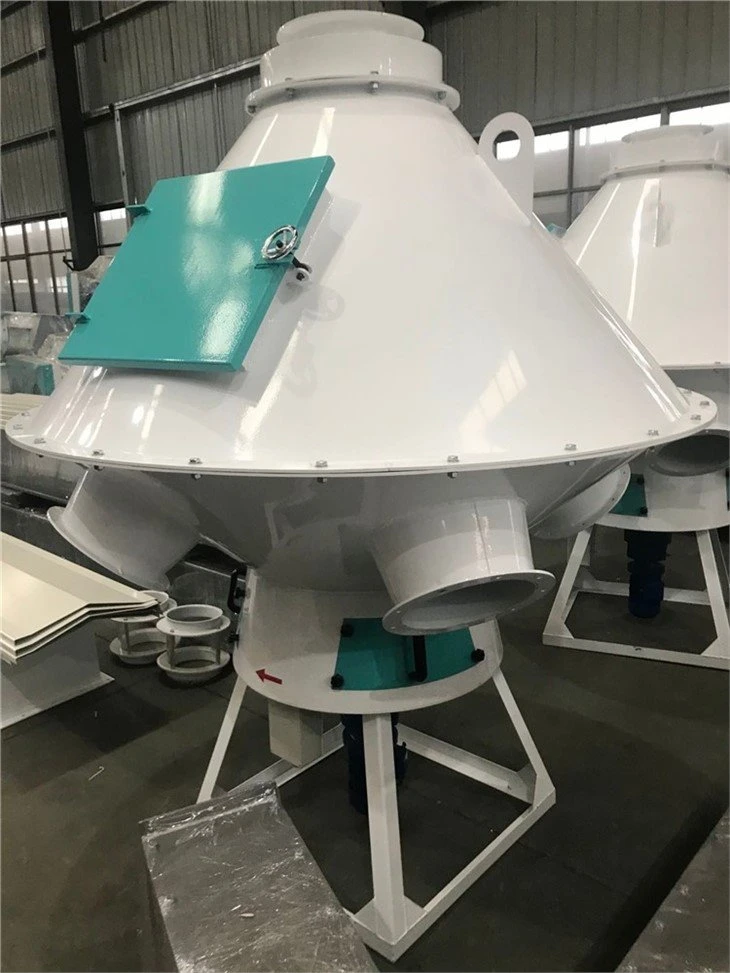
A rotary distributor is a crucial component in various industrial processes, designed to evenly distribute materials such as powders, grains, and other bulk substances. At the heart of a rotary distributor lies the condenser, a key element that plays a significant role in its operation. A malfunctioning condenser can lead to a range of issues that affect the performance and efficiency of the rotary distributor. In this blog, as a trusted supplier of rotary distributors, I will discuss the symptoms of a bad condenser in a rotary distributor and how to address them.
1. Reduced Cooling Efficiency
One of the most common symptoms of a bad condenser in a rotary distributor is reduced cooling efficiency. The condenser is responsible for removing heat from the refrigerant, allowing it to condense back into a liquid state. When the condenser is not functioning properly, it may struggle to dissipate heat effectively, leading to elevated temperatures within the system.
You may notice that the rotary distributor is running hotter than usual, and the materials being distributed are not being cooled as efficiently as they should be. This can result in a decrease in the quality of the distributed materials, as excessive heat can cause them to degrade or lose their properties. For example, in the case of a Powder Rotary Distributor, overheating can lead to clumping or caking of the powder, making it difficult to distribute evenly.
2. Increased Energy Consumption
A faulty condenser can also lead to increased energy consumption in the rotary distributor. When the condenser is not working efficiently, the compressor has to work harder to maintain the desired temperature and pressure within the system. This increased workload on the compressor results in higher energy consumption, which can significantly impact the operating costs of the rotary distributor.
If you notice a sudden spike in your energy bills without any corresponding increase in production or usage, it could be a sign of a bad condenser. Monitoring the energy consumption of your rotary distributor regularly can help you detect any abnormal patterns and take corrective action before the problem worsens.
3. Uneven Material Distribution
Another symptom of a bad condenser is uneven material distribution. The proper functioning of the condenser is essential for maintaining a stable temperature and pressure within the rotary distributor, which in turn ensures uniform distribution of materials. When the condenser is malfunctioning, it can cause fluctuations in temperature and pressure, leading to uneven flow of materials through the distributor.
You may observe that some outlets of the rotary distributor are receiving more material than others, or that the material is not being distributed in a consistent manner. This can result in product quality issues, as well as increased waste and inefficiency in the production process. For instance, in a Rotary Grain Distributor, uneven distribution can lead to inconsistent grain quality and reduced yield.
4. Refrigerant Leaks
A bad condenser can also cause refrigerant leaks in the rotary distributor. Refrigerant is a vital component of the cooling system, and any leaks can not only affect the performance of the condenser but also pose environmental and safety risks. If you notice any signs of refrigerant leaks, such as a hissing sound, oily residue around the condenser, or a decrease in the cooling capacity of the system, it is important to address the issue immediately.
Refrigerant leaks can be caused by a variety of factors, including corrosion, damage to the condenser coils, or loose connections. Regular maintenance and inspection of the condenser can help detect and prevent refrigerant leaks before they become a major problem.

5. Abnormal Noises
Unusual noises coming from the rotary distributor can also indicate a problem with the condenser. A bad condenser may produce rattling, buzzing, or humming sounds, which can be a sign of mechanical issues or loose components. These noises can be caused by a variety of factors, such as a damaged fan motor, loose condenser coils, or a malfunctioning compressor.
If you hear any abnormal noises coming from your rotary distributor, it is important to have it inspected by a qualified technician as soon as possible. Ignoring these noises can lead to further damage to the condenser and other components of the rotary distributor, resulting in costly repairs or even system failure.
6. Frequent System Cycling
A bad condenser can also cause the rotary distributor to cycle on and off more frequently than normal. This is because the condenser is not able to maintain a stable temperature and pressure within the system, causing the compressor to turn on and off more often to compensate. Frequent cycling can put additional stress on the compressor and other components of the rotary distributor, leading to premature wear and tear and reduced lifespan.
If you notice that your rotary distributor is cycling on and off more frequently than usual, it is important to have it checked by a professional. They can diagnose the problem and recommend the appropriate repairs or replacements to ensure the proper functioning of the condenser and the overall system.
Addressing the Issue
If you suspect that your rotary distributor has a bad condenser, it is important to take action as soon as possible to prevent further damage and ensure the continued operation of your equipment. Here are some steps you can take:
- Inspect the Condenser: Regularly inspect the condenser for any signs of damage, such as bent or damaged fins, leaks, or corrosion. Clean the condenser coils to remove any dirt, debris, or other contaminants that may be affecting its performance.
- Check the Refrigerant Levels: Have the refrigerant levels in the system checked by a qualified technician. If the refrigerant levels are low, it could indicate a leak in the system, which should be repaired immediately.
- Replace the Condenser: If the condenser is severely damaged or malfunctioning, it may need to be replaced. Make sure to choose a high-quality condenser that is compatible with your rotary distributor.
- Perform Regular Maintenance: Schedule regular maintenance for your rotary distributor to ensure that all components are functioning properly. This includes cleaning the condenser, checking the refrigerant levels, and inspecting the compressor and other components for any signs of wear or damage.
Conclusion
A bad condenser in a rotary distributor can cause a range of problems that can affect the performance, efficiency, and reliability of the equipment. By being aware of the symptoms of a bad condenser and taking proactive steps to address them, you can ensure the continued operation of your rotary distributor and avoid costly repairs or downtime.
If you are experiencing any of the symptoms mentioned in this blog, or if you have any questions about the maintenance or repair of your rotary distributor, please do not hesitate to contact us. As a leading supplier of TFPX Series Rotary Distributor and other rotary distributor products, we have the expertise and experience to provide you with the solutions you need. We are committed to helping you optimize the performance of your equipment and achieve your production goals. Contact us today to discuss your requirements and explore how we can assist you.
References
- ASHRAE Handbook - Refrigeration. American Society of Heating, Refrigerating and Air-Conditioning Engineers.
- Manufacturer's manuals and technical documentation for rotary distributors.