

Hey there! As a supplier of horizontal mixers, I often get asked about the mixing time required for high - viscosity materials in a horizontal mixer. It's a crucial question because getting the mixing time right can make or break the quality of the end product.
Let's start by understanding what high - viscosity materials are. High - viscosity materials are thick and sticky substances. Think of things like heavy pastes, doughs, or some types of polymers. These materials don't flow easily, which makes mixing them a bit of a challenge compared to low - viscosity liquids like water or milk.
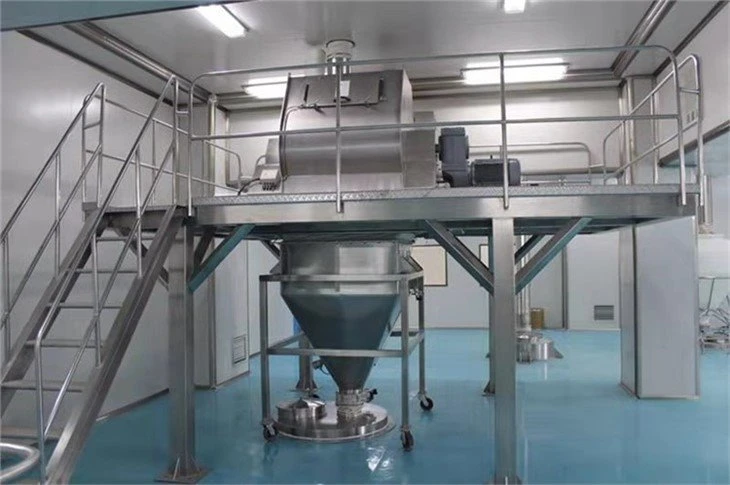
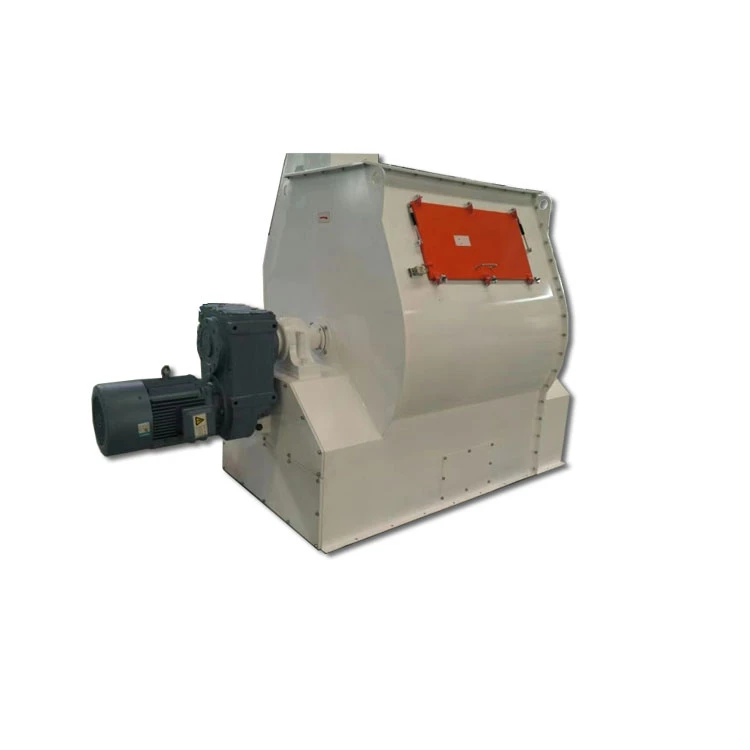
When it comes to horizontal mixers, they work by rotating paddles or blades inside a horizontal trough. The paddles move the material around, trying to blend all the components evenly. But with high - viscosity materials, the resistance is much higher. The paddles have to work harder to push through the thick substance and distribute all the ingredients uniformly.
So, what factors affect the mixing time for high - viscosity materials in a horizontal mixer?
1. Material Properties
The nature of the high - viscosity material itself plays a huge role. For example, if the material has a high density and strong internal cohesion, it will take longer to mix. Some materials might also have a tendency to clump together. If you're trying to mix a dough that forms large clumps, it'll take more time to break those clumps down and disperse the ingredients.
2. Mixer Design
The design of the horizontal mixer is another important factor. The size and shape of the paddles or blades matter. Larger paddles can cover more area and move more material at once, potentially reducing the mixing time. The speed at which the paddles rotate also affects the mixing process. Faster rotation can increase the shear force applied to the material, helping to break up clumps and mix the ingredients more quickly. However, there's a limit to how fast you can go, as too high a speed might cause the material to heat up or even damage the mixer.
3. Batch Size
The amount of material you're trying to mix in one go, known as the batch size, impacts the mixing time. A larger batch will generally take longer to mix because there's more material for the paddles to move around. It's like trying to stir a big pot of thick soup compared to a small one. The bigger the pot, the more effort it takes to get everything evenly mixed.
4. Desired Homogeneity
How well - mixed you need the final product to be also determines the mixing time. If you're looking for a very high level of homogeneity, where every part of the material has the exact same composition, you'll need to mix for a longer time. For some applications, a slightly less homogeneous mixture might be acceptable, and in those cases, you can reduce the mixing time.
Now, it's hard to give an exact number for the mixing time because of all these variables. But I can share some general guidelines.
For small - scale operations with relatively small batches of high - viscosity materials, the mixing time could be anywhere from 5 to 15 minutes. This might be suitable for a bakery mixing a small batch of dough or a craft workshop mixing a thick resin.
In industrial settings, where larger batches are involved, the mixing time can range from 15 minutes to an hour or even more. For example, in a polymer manufacturing plant, where large quantities of high - viscosity polymers need to be mixed with additives, it could take a significant amount of time to achieve the desired level of homogeneity.
At our company, we offer a range of horizontal mixers that are designed to handle high - viscosity materials efficiently. For instance, our SJHS Paddle Mixer is equipped with specially designed paddles that can effectively mix thick and sticky materials. The paddles are made of high - quality materials to ensure durability and long - term performance.
Another great option is our Double - circle Paddle Mixer. This mixer has a unique double - circle paddle design that provides a more thorough mixing action. It can reduce the mixing time for high - viscosity materials while still achieving a high level of homogeneity.
If you're in the business of making pellets, you might also be interested in our partnership with a Pellet Die Manufacturer. After mixing your high - viscosity materials, you'll need a good pellet die to shape them into the desired form. Our partner offers high - quality pellet dies that are compatible with our horizontal mixers.
We understand that every customer has different needs when it comes to mixing high - viscosity materials. That's why we're always ready to work with you to find the best solution. Whether you need a custom - designed mixer or just some advice on the optimal mixing time for your specific material, we're here to help.
If you're looking to improve your mixing process for high - viscosity materials, or if you're in the market for a new horizontal mixer, don't hesitate to reach out. We can provide you with detailed information about our products, offer demonstrations, and help you make an informed decision. Let's work together to make your mixing operations more efficient and your end products of the highest quality.
References
- Smith, J. (2018). "Mixing Technologies for High - Viscosity Materials". Journal of Industrial Mixing, 25(3), 45 - 56.
- Brown, A. (2020). "Factors Affecting Mixing Time in Horizontal Mixers". International Journal of Material Processing, 32(2), 78 - 85.
- Green, C. (2019). "Optimizing Mixing Processes for High - Viscosity Polymers". Polymer Science Review, 15(4), 112 - 125.