

Hey there! As a supplier of Feed Mill Crumblers, I often get asked about the power consumption of these machines. It's a crucial factor for anyone looking to invest in a feed mill crumbler, as it directly impacts operational costs. So, let's dive right into it and explore what affects the power consumption of a Feed Mill Crumbler.
First off, what exactly is a Feed Mill Crumbler? Well, it's a machine used in the feed manufacturing process to break down pellets into smaller, more manageable crumbles. This is especially useful for young animals like chicks and piglets, who have a harder time digesting large pellets. You can check out more about Pellet Crumbler Machine on our website.
Now, let's talk about the factors that influence the power consumption of a Feed Mill Crumbler.
Machine Size and Capacity
One of the most significant factors is the size and capacity of the crumbler. Larger machines with higher production capacities generally require more power to operate. This is because they need to handle a greater volume of pellets, which means more energy is needed to drive the crushing mechanism. For example, a small-scale Poultry Feed Crumble Machine used in a backyard farm might have a relatively low power consumption, while a large industrial Pellet Crumbler used in a commercial feed mill will consume more power.
Motor Efficiency
The efficiency of the motor in the crumbler also plays a big role. A high - efficiency motor will convert electrical energy into mechanical energy more effectively, resulting in lower power consumption. When choosing a feed mill crumbler, it's important to look for a machine with a motor that has a good efficiency rating. Some modern motors are designed with advanced technologies to reduce energy waste, such as variable frequency drives (VFDs). These drives can adjust the motor's speed according to the load, which helps to save energy.
Pellet Characteristics
The characteristics of the pellets being processed can affect power consumption as well. Harder and denser pellets require more force to break down, which means the crumbler has to work harder and consume more power. On the other hand, softer and less dense pellets are easier to crumble and will result in lower power usage. The moisture content of the pellets also matters. Pellets with higher moisture content tend to be softer and may require less energy to crumble compared to dry pellets.
Operating Conditions
How the crumbler is operated can have a significant impact on power consumption. Running the machine at full capacity all the time may not always be the most energy - efficient way. If the production demand is low, it might be better to adjust the feed rate or even turn off the machine when it's not needed. Also, proper maintenance of the crumbler is essential. A well - maintained machine with sharp blades and properly aligned components will operate more efficiently and use less power.
Measuring Power Consumption
To get an accurate idea of the power consumption of a Feed Mill Crumbler, you can look at the machine's specifications provided by the manufacturer. These usually include the rated power, which is the power the machine is designed to consume under normal operating conditions. However, the actual power consumption may vary depending on the factors mentioned above. You can also use a power meter to measure the real - time power consumption of the machine during operation. This can help you identify any abnormal power usage and take steps to optimize it.
Cost Implications
Understanding the power consumption of a Feed Mill Crumbler is important from a cost perspective. Higher power consumption means higher electricity bills, which can eat into your profits, especially in a large - scale operation. By choosing a machine with lower power consumption and operating it efficiently, you can save a significant amount of money in the long run.
Energy - Saving Tips
Here are some tips to reduce the power consumption of your Feed Mill Crumbler:
- Choose the Right Machine: Select a crumbler that matches your production needs. Don't go for an oversized machine if you don't need the extra capacity.
- Maintain the Machine: Regularly clean, lubricate, and sharpen the blades of the crumbler. This will ensure smooth operation and reduce energy waste.
- Optimize the Feed Rate: Adjust the feed rate according to the production demand. Running the machine at a lower speed or with a lower feed rate when possible can save energy.
- Use Energy - Efficient Motors: As mentioned earlier, look for a crumbler with a high - efficiency motor, preferably one with a VFD.
In conclusion, the power consumption of a Feed Mill Crumbler is influenced by various factors, including machine size, motor efficiency, pellet characteristics, and operating conditions. By understanding these factors and taking steps to optimize power usage, you can reduce your operating costs and make your feed manufacturing process more sustainable.

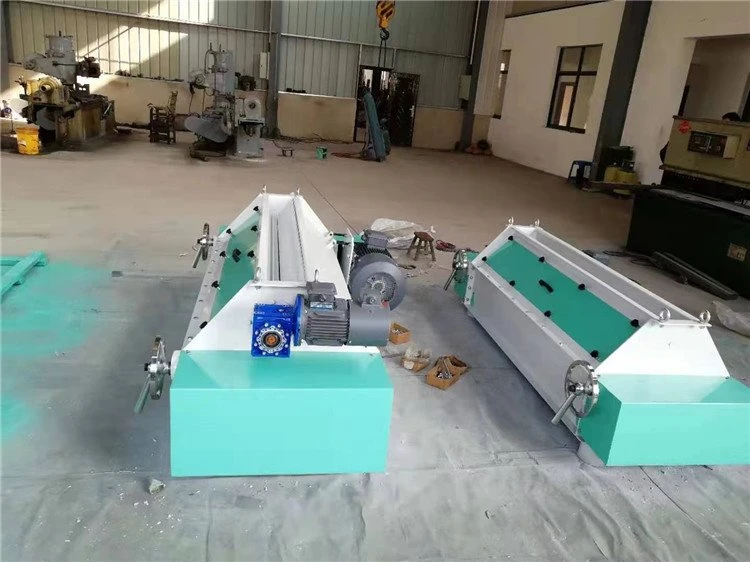
If you're in the market for a Feed Mill Crumbler and want to learn more about our products, feel free to reach out to us. We can provide you with detailed information about the power consumption of our machines and help you choose the one that best suits your needs. Whether you're a small - scale farmer or a large - scale feed manufacturer, we've got the right solution for you. Contact us today to start the procurement discussion and take your feed production to the next level.
References
- Feed Manufacturing Handbook by various industry experts
- Technical specifications of Feed Mill Crumblers from leading manufacturers