

Ensuring the sterility of a horizontal mixer in pharmaceutical applications is crucial. As a horizontal mixer supplier, I've seen firsthand how important it is to maintain a sterile environment in the pharmaceutical industry. In this blog, I'll share some tips on how to ensure the sterility of your horizontal mixer.
Understanding the Importance of Sterility in Pharmaceutical Mixing
In the pharmaceutical world, sterility isn't just a nice - to - have; it's a must. Contaminated products can lead to serious health risks for patients. A horizontal mixer is often used to blend various active pharmaceutical ingredients (APIs) and excipients. If the mixer isn't sterile, these ingredients can get contaminated, compromising the quality and safety of the final product.
Design and Construction for Sterility
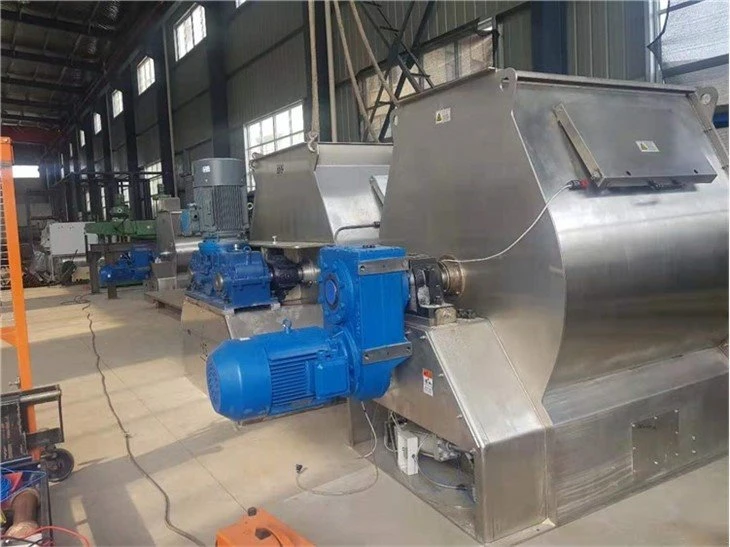
The first step in ensuring sterility starts with the design and construction of the horizontal mixer. When we design our mixers, we use high - quality, corrosion - resistant materials like stainless steel. Stainless steel is not only durable but also easy to clean and sterilize. It doesn't react with most pharmaceutical ingredients, reducing the risk of chemical contamination.
The internal surfaces of the mixer should be smooth. Rough surfaces can trap particles and microorganisms, making it difficult to clean. We make sure that there are no crevices or hard - to - reach areas where dirt and bacteria can hide. All joints and connections are carefully sealed to prevent any leakage or ingress of contaminants.

Cleaning Procedures
Regular cleaning is the backbone of maintaining sterility. After each batch, the horizontal mixer should be thoroughly cleaned. First, a pre - rinse with water can remove large particles and loose debris. Then, a cleaning solution is used. Depending on the nature of the ingredients used, an appropriate cleaning agent should be selected. For example, alkaline cleaners are great for removing organic residues, while acidic cleaners can be used for inorganic deposits.
The cleaning solution should be circulated through the mixer for a sufficient amount of time to ensure that all surfaces are in contact with it. After that, a thorough rinse with clean water is necessary to remove any traces of the cleaning agent. We recommend using purified water for the final rinse to avoid introducing new contaminants.
Sterilization Methods
There are several sterilization methods available for horizontal mixers in pharmaceutical applications.
Steam Sterilization
Steam sterilization is one of the most common methods. It works by exposing the mixer to high - pressure steam at a specific temperature for a set period. The high temperature kills most microorganisms, including bacteria, viruses, and fungi. We design our mixers to be compatible with steam sterilization. They have proper ventilation and drainage systems to ensure that steam can penetrate all parts of the mixer and that condensate can be removed effectively.
Chemical Sterilization
Chemical sterilization involves using chemicals like hydrogen peroxide or ethylene oxide. Hydrogen peroxide is a popular choice because it decomposes into water and oxygen, leaving no harmful residues. It can be used in a vapor form to sterilize the interior of the mixer. Ethylene oxide is also effective but requires special handling due to its toxicity. It's usually used in a sealed chamber where the mixer is placed, and the gas is circulated for a certain time.
Radiation Sterilization
Radiation sterilization, such as gamma radiation, can also be used. Gamma rays have high energy and can penetrate the mixer to kill microorganisms. However, this method requires specialized equipment and facilities. It's more commonly used for smaller components or parts of the mixer rather than the whole unit.
Validation and Monitoring
Just cleaning and sterilizing the horizontal mixer isn't enough. You need to validate that the procedures are effective. Validation involves conducting tests to prove that the cleaning and sterilization methods are capable of reducing the microbial load to an acceptable level.
Monitoring is an ongoing process. Microbial testing should be done regularly. Samples can be taken from different parts of the mixer, such as the internal surfaces and the discharge port. These samples are then analyzed in a laboratory to check for the presence of microorganisms. If any contamination is detected, the cleaning and sterilization procedures need to be re - evaluated and adjusted accordingly.
Operator Training
The people operating the horizontal mixer play a crucial role in ensuring sterility. They should be well - trained in proper cleaning and sterilization procedures. They need to understand the importance of following the protocols precisely. For example, they should know the correct concentration of the cleaning solution, the appropriate temperature and time for sterilization, and how to handle the equipment safely during the process.
We offer training programs for our customers' operators. These programs cover everything from basic operation to advanced cleaning and sterilization techniques. By having well - trained operators, the risk of human - error - related contamination is significantly reduced.
Maintenance and Inspection
Regular maintenance of the horizontal mixer is essential. All moving parts, such as paddles and motors, should be inspected for wear and tear. Worn - out parts can create new hiding places for contaminants or affect the performance of the mixer. Any damaged parts should be replaced immediately.
Periodic inspections of the mixer's overall condition are also necessary. This includes checking the integrity of the seals, the functionality of the cleaning and sterilization systems, and the calibration of any sensors or controls.
Related Products
If you're also in the feed industry, we have some great options for you. Check out our Feed Mill Paddle Mixer, Double - circle Paddle Mixer, and SJHS Paddle Mixer. These mixers are designed to meet the specific needs of the feed industry, ensuring efficient and high - quality mixing.
Conclusion
Ensuring the sterility of a horizontal mixer in pharmaceutical applications is a multi - step process. It starts with the right design and construction, followed by proper cleaning, sterilization, validation, and monitoring. Operator training and regular maintenance also play important roles. By following these guidelines, you can ensure that your horizontal mixer produces high - quality, sterile pharmaceutical products.
If you're interested in purchasing a horizontal mixer or have any questions about ensuring its sterility, feel free to reach out. We're here to help you make the best choice for your pharmaceutical production needs.
References
- Pharmaceutical Engineering: A Complete Guide to Design, Construction, and Validation.
- Handbook of Cleaning for Semiconductor Manufacturing and Pharmaceutical Applications.
- Journal of Pharmaceutical Sciences and Technology, various issues on equipment sterilization.