

In the realm of animal feed production, a feed pellet mill is a cornerstone piece of equipment. It transforms raw feed materials into compact, uniform pellets that are easier to store, transport, and consume by livestock and poultry. One crucial component of a feed pellet mill that often goes unnoticed but plays a vital role in the overall process is the cooler. As a seasoned feed pellet mill supplier, I am here to shed light on the functions of a cooler in a feed pellet mill and why it is indispensable for high - quality pellet production.
The Pelletizing Process and the Need for Cooling
Before delving into the functions of a cooler, it's essential to understand the pelletizing process. In a feed pellet mill, raw materials such as grains, proteins, vitamins, and minerals are first ground into a fine powder. This powder is then mixed with water and steam to form a dough - like consistency. The mixture is forced through small holes in a die under high pressure, which shapes it into pellets.
During this process, the application of steam and the mechanical pressure generate a significant amount of heat. The freshly formed pellets can reach temperatures as high as 80 - 90°C (176 - 194°F). These hot pellets are soft, moist, and fragile. If they are not cooled properly, several issues can arise. For instance, they may deform during handling, stick together, or develop mold due to the high moisture content. This is where the cooler steps in.
Primary Functions of a Cooler in a Feed Pellet Mill
1. Temperature Reduction
The most obvious function of a cooler is to reduce the temperature of the freshly made pellets. By blowing ambient air or cooled air through the pellet bed, the cooler rapidly dissipates the heat generated during the pelletizing process. As the hot pellets come into contact with the cooler air, heat transfer occurs, and the temperature of the pellets gradually decreases. A well - designed cooler can bring the pellet temperature down to near - ambient levels, typically within a few degrees of the surrounding air temperature. This temperature reduction makes the pellets harden and more stable, preventing them from deforming or breaking during subsequent handling and packaging.
2. Moisture Removal
In addition to heat, the steam used in the pelletizing process adds moisture to the pellets. Excess moisture in the pellets can lead to spoilage, mold growth, and reduced shelf life. The cooler helps to remove this moisture through evaporation. As the cool air passes through the hot pellets, the moisture on the surface of the pellets evaporates. This process is accelerated by the large surface area of the pellets and the relative humidity difference between the hot, moist pellets and the cooler, drier air. Most coolers are designed to reduce the moisture content of the pellets to an optimal level, usually around 12 - 14%. This moisture level is ideal for long - term storage and ensures the quality of the feed.
3. Strengthening Pellet Structure
Cooling also plays a crucial role in strengthening the structure of the pellets. When the hot pellets are cooled, the starch and other binders in the feed materials undergo a process called gelatinization and retrogradation. Gelatinization occurs when the starch is heated and absorbs water, forming a viscous gel. During cooling, retrogradation takes place, where the starch molecules realign and form a more stable structure. This results in harder, more durable pellets that are less likely to crumble or break. A stronger pellet structure is beneficial not only for storage and transportation but also for the animals that consume the feed. It ensures that the animals can easily pick up and chew the pellets, improving feed intake and digestion.
Types of Coolers in Feed Pellet Mills
There are several types of coolers commonly used in feed pellet mills, each with its own advantages and applications.
1. Counter - Flow Coolers
Counter - flow coolers are one of the most popular types of coolers in the feed industry. In a counter - flow cooler, the pellets flow downward through the cooler, while the cooling air flows upward in the opposite direction. This counter - flow arrangement allows for efficient heat and moisture transfer. The incoming cool air first comes into contact with the cooler, partially cooled pellets at the bottom of the cooler. As the air moves upward, it gradually absorbs heat and moisture from the hotter pellets at the top. This design ensures that the pellets are cooled uniformly and that the maximum amount of heat and moisture is removed. Counter - flow coolers are known for their high efficiency and ability to produce high - quality pellets.
2. Cross - Flow Coolers
Cross - flow coolers are another type of cooler used in feed pellet mills. In a cross - flow cooler, the pellets flow downward through the cooler, and the cooling air flows horizontally across the pellet bed. This type of cooler is relatively simple in design and is often used in smaller feed pellet mills or for applications where space is limited. While cross - flow coolers are not as efficient as counter - flow coolers in terms of heat and moisture transfer, they can still effectively cool the pellets and reduce the moisture content to an acceptable level.
Impact of a Good Cooler on Feed Quality and Business
Investing in a high - quality cooler can have a significant impact on the quality of the feed and the success of a feed production business.
1. Improved Feed Quality
A good cooler ensures that the pellets are cooled and dried to the optimal temperature and moisture levels. This results in high - quality pellets that are hard, durable, and free from mold and spoilage. High - quality feed is more appealing to animals, leading to better feed intake, growth, and overall health. It also helps to build a good reputation for the feed manufacturer, which can lead to increased customer loyalty and sales.
2. Cost Savings
By reducing the moisture content of the pellets, a cooler helps to prevent spoilage and extend the shelf life of the feed. This reduces the amount of feed that is wasted due to mold growth or spoilage, resulting in cost savings for the feed producer. Additionally, well - cooled pellets are less likely to break or crumble during handling and transportation, reducing the amount of fines and improving the overall efficiency of the production process.
3. Compliance with Standards
Many countries and regions have strict standards and regulations regarding the quality and safety of animal feed. A good cooler helps feed producers to meet these standards by ensuring that the pellets have the appropriate temperature and moisture levels. This is crucial for maintaining the integrity of the feed and for avoiding potential legal issues.
Our Offerings as a Feed Pellet Mill Supplier
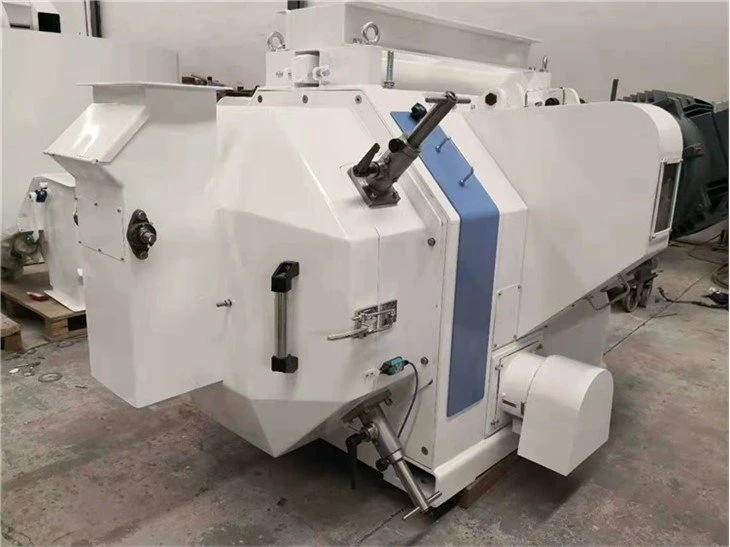
As a leading feed pellet mill supplier, we understand the importance of a high - quality cooler in the feed production process. We offer a wide range of feed pellet mills, including the Pellet Mill SZLH Series, which are equipped with state - of - the - art coolers. Our Chicken Feed Pellet Mill is specifically designed to produce high - quality chicken feed pellets, and our Pellet Mill Lab - size is ideal for small - scale production and research purposes.
Our coolers are designed to be efficient, reliable, and easy to maintain. They are built with high - quality materials and advanced technology to ensure optimal performance and long - term durability. Whether you are a large - scale feed producer or a small - scale farmer, we have the right feed pellet mill and cooler solution for you.
Contact Us for Procurement and Consultation
If you are interested in learning more about our feed pellet mills and coolers, or if you have any questions regarding feed production, we encourage you to contact us. Our team of experts is ready to assist you in selecting the right equipment for your specific needs and to provide you with professional advice on feed production processes. We look forward to the opportunity to work with you and to help you achieve success in the feed industry.

References
- “Feed Pellet Mill Handbook”. Feed Industry Association Press, 2020.
- Smith, J. “Principles of Feed Pellet Production”. Journal of Animal Feed Science, Vol. 15, No. 2, 2018.
- Brown, A. “Cooling Systems in Feed Pellet Mills: A Review”. Feed Technology Review, Vol. 22, No. 3, 2019.