

Hey there, fellow feed mill enthusiasts! I'm a supplier of top - notch Feed Mill Mixers, and I'm here to chat about one crucial question: How often should a feed mill mixer be inspected?
Why Inspections Matter
First things first, let's understand why inspections are so important. A feed mill mixer is the heart of your operation. It's responsible for blending various ingredients to create a uniform feed product. If the mixer isn't working correctly, it can lead to inconsistent feed quality. This, in turn, might affect the health and growth of the animals consuming the feed.
Imagine a scenario where the mixing blades are worn out. Some parts of the feed might have more vitamins and minerals, while others have less. Unevenly mixed feed can cause nutritional deficiencies or imbalances in animals, which can lead to decreased productivity and even health problems. Inspections help catch these issues before they turn into major headaches.
Factors Affecting Inspection Frequency
Usage Intensity
The first factor that determines how often you should inspect your feed mill mixer is how often you use it. If your feed mill is running 24/7, churning out tons of feed, your mixer is going to take a lot more wear and tear compared to a mill that operates just a few hours a week.
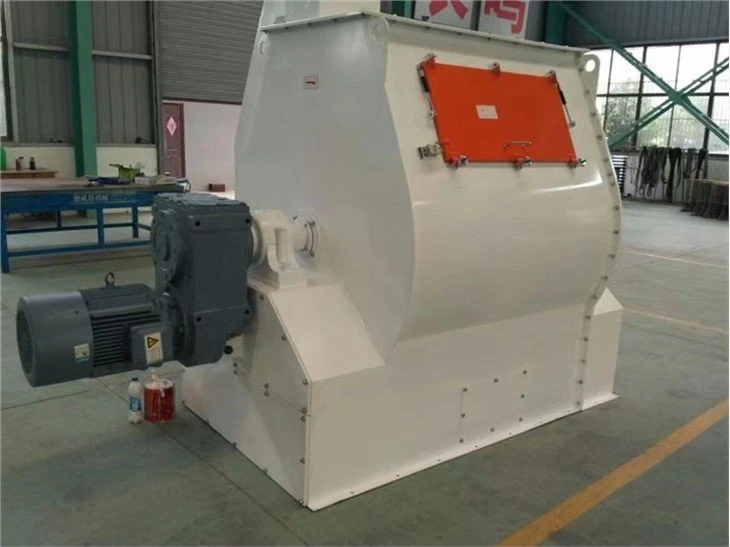
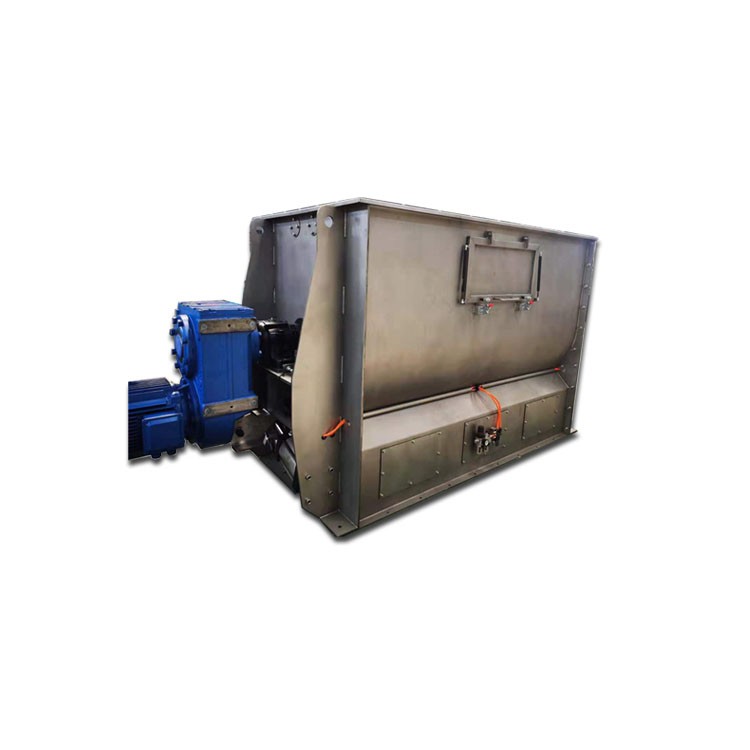
For high - intensity operations, I'd recommend a visual inspection at least once a day. This can be a quick check for any obvious signs of damage, like loose bolts or leaks. A more in - depth inspection, including checking the internal components such as the paddles and belts, should be done weekly.
On the other hand, if your usage is minimal, say a few hours a week, a weekly visual inspection and a monthly in - depth inspection should be sufficient. This way, you're ensuring the mixer's longevity without over - inspecting and wasting resources.
Type of Feed Ingredients
The type of ingredients you're mixing also plays a huge role. If you're working with abrasive materials like corn cobs or some hard grains, they can cause more wear on the mixer's components. These materials can erode the mixing paddles, the interior of the mixer drum, and even the seals.
In contrast, mixing soft, powdery ingredients like wheat flour might be less harsh on the equipment. For abrasive feeds, you might need to inspect the mixer more frequently. I'd suggest increasing the weekly in - depth inspection to bi - weekly. And always pay extra attention to parts that are in direct contact with the ingredients.
Environmental Conditions
The environment where the feed mill mixer is located matters too. If it's in a humid area, there's a higher risk of rust and corrosion. Moisture can seep into the electrical components, leading to malfunctions. In such cases, more frequent inspections are necessary. At least a weekly visual inspection to check for any signs of rust or water damage and a monthly in - depth inspection to test the electrical system.
If the mill is in a dusty environment, the dust can clog the ventilation channels and mechanical parts. This can cause overheating and reduced efficiency. Make sure to clean the ventilation regularly and inspect it weekly to ensure proper airflow.
Inspection Checkpoints
Physical Structure
When you're inspecting the mixer, start with the physical structure. Check for any cracks or dents in the outer shell. A damaged shell can not only affect the mixer's performance but also pose a safety risk. Make sure all the connections between different parts of the mixer are secure. Loose connections can lead to vibrations and premature wear of the components.
Mixing Components
The mixing paddles are a critical part of the mixer. Check their condition regularly. Look for signs of wear, such as rounded edges or missing pieces. If the paddles are worn out, they won't mix the feed properly. You can use a caliper to measure the thickness of the paddles. If they're below the recommended thickness, it's time to replace them.
The belts and chains that drive the mixer should also be inspected. Check for proper tension. If the belt is too loose, it can slip, and the mixer won't function at its best. If it's too tight, it can put extra strain on the motor and other components.
Electrical and Control Systems
The electrical system is another crucial area. Inspect the wiring for any signs of fraying or damage. Loose or damaged wires can cause electrical shorts, which are not only dangerous but also can lead to the mixer shutting down unexpectedly.
Test the control panel to make sure all the switches and sensors are working correctly. A malfunctioning sensor can give false readings, leading to incorrect mixing times or improper ingredient ratios.
Our Product Recommendations
As a feed mill mixer supplier, I'm proud to recommend our Feed Mill Paddle Mixer. This mixer is designed for high - performance and durability. Its unique paddle design ensures thorough mixing of various feed ingredients.
For those looking for a more specialized option, our SJHS Paddle Mixer offers advanced features and precision mixing. It's perfect for operations that require strict control over the feed quality.
And if you need a mixer with a large capacity and efficient operation, our Horizontal Mixer is an excellent choice. It's designed to handle large volumes of feed and provides consistent mixing results.
How Often to Perform Different Types of Inspections
Daily Inspections
Daily inspections are quick checks to ensure everything is running smoothly. You should visually inspect the mixer for any obvious signs of damage, like leaks or loose parts. Check the power supply to make sure the mixer is getting the right amount of electricity. Listen for any unusual noises during operation. Unusual noises can be a sign of a problem with the motor, belts, or other components.
Weekly Inspections
Weekly inspections are more in - depth. Check the mixing paddles for wear, as I mentioned earlier. Inspect the belts and chains for proper tension and any signs of damage. Clean the ventilation channels to prevent dust buildup. Also, check the seals to make sure there are no leaks.
Monthly Inspections
Monthly inspections are comprehensive. Test the electrical system thoroughly. Check the control panel settings and make sure they're accurate. Inspect the internal structure of the mixer for any signs of corrosion or excessive wear. You can also perform a performance test to see if the mixer is achieving the desired mixing quality.
Conclusion
In conclusion, the frequency of feed mill mixer inspections depends on several factors, including usage intensity, type of feed ingredients, and environmental conditions. By following a regular inspection schedule and checking the important components, you can ensure the longevity and efficiency of your mixer.
If you're in the market for a new feed mill mixer or need more information on maintaining your existing one, don't hesitate to reach out. Contact us for all your feed mill mixer needs, and let's work together to keep your feed production running smoothly!
References
- Feed Mill Equipment Handbook
- Journal of Feed Production Technology