

As a supplier of horizontal mixers, I've encountered numerous inquiries regarding the versatility of our equipment. One of the most frequently asked questions is whether a horizontal mixer can effectively mix different colors of materials. In this blog post, I'll delve into the capabilities of horizontal mixers in color mixing, exploring their mechanisms, advantages, limitations, and practical applications.
Understanding Horizontal Mixers
Horizontal mixers are industrial machines designed to blend various materials uniformly. They consist of a horizontal trough or chamber with a rotating shaft equipped with mixing elements such as paddles or ribbons. As the shaft rotates, the mixing elements agitate the materials, promoting thorough blending.
The design of horizontal mixers offers several advantages for mixing applications. Firstly, the horizontal orientation allows for efficient use of space, making them suitable for installations where vertical space is limited. Secondly, the gentle mixing action minimizes material degradation, ensuring that the integrity of the materials is preserved. Additionally, horizontal mixers can handle a wide range of materials, including powders, granules, pastes, and liquids, making them versatile for various industries.
Mixing Different Colors of Materials
When it comes to mixing different colors of materials, horizontal mixers can be effectively utilized. The key to successful color mixing lies in achieving a homogeneous blend, where the colors are evenly distributed throughout the mixture. Horizontal mixers excel in this regard due to their ability to provide intense and consistent mixing.
The mixing process begins with the introduction of the different colored materials into the mixer's chamber. As the shaft rotates, the mixing elements create a complex flow pattern within the chamber, causing the materials to move in multiple directions. This movement promotes the intermingling of the different colored particles, gradually reducing the color variation and achieving a uniform blend.
To ensure optimal color mixing, several factors need to be considered. Firstly, the choice of mixing elements plays a crucial role. Paddles or ribbons with the appropriate shape and configuration can enhance the mixing efficiency and ensure that the materials are thoroughly mixed. For example, Feed Mill Paddle Mixer are specifically designed to provide gentle yet effective mixing of granular materials, making them suitable for color mixing applications.
Secondly, the mixing time and speed are important parameters. Longer mixing times generally result in more thorough blending, but it's important to find the right balance to avoid overmixing, which can lead to material degradation. The mixing speed also affects the mixing efficiency, with higher speeds typically resulting in faster blending. However, excessive speed can cause the materials to become airborne, leading to dust generation and potential safety hazards.
Another factor to consider is the particle size and density of the materials. Materials with similar particle sizes and densities tend to mix more easily than those with significant differences. In cases where the materials have different particle sizes or densities, additional measures such as pre-blending or the use of additives may be required to ensure a homogeneous blend.
Advantages of Using Horizontal Mixers for Color Mixing
There are several advantages to using horizontal mixers for mixing different colors of materials. Firstly, horizontal mixers offer excellent mixing performance, ensuring a high degree of color uniformity. The intense and consistent mixing action of the horizontal mixer helps to break down color agglomerates and distribute the colors evenly throughout the mixture.
Secondly, horizontal mixers are versatile and can handle a wide range of materials and colors. Whether you're mixing pigments, dyes, or colored powders, a horizontal mixer can provide the necessary mixing power and flexibility. For example, SJHS Paddle Mixer are suitable for mixing a variety of materials, including feed ingredients, chemicals, and plastics, making them ideal for color mixing applications in different industries.
Thirdly, horizontal mixers are easy to clean and maintain. The horizontal design of the mixer allows for easy access to the mixing chamber, making it convenient to remove any residual materials between batches. Additionally, the use of high-quality materials and components ensures the durability and reliability of the mixer, reducing the need for frequent maintenance and repair.
Limitations and Challenges
While horizontal mixers offer many advantages for color mixing, there are also some limitations and challenges that need to be addressed. One of the main limitations is the potential for color streaking or uneven mixing, especially when dealing with materials that have different viscosities or flow properties. To overcome this challenge, it's important to optimize the mixing parameters, such as the mixing time, speed, and the choice of mixing elements.
Another challenge is the cleaning process, especially when switching between different colors. Residual materials from previous batches can contaminate the new batch, leading to color inconsistencies. To minimize the risk of contamination, it's important to thoroughly clean the mixer between batches, using appropriate cleaning agents and techniques.
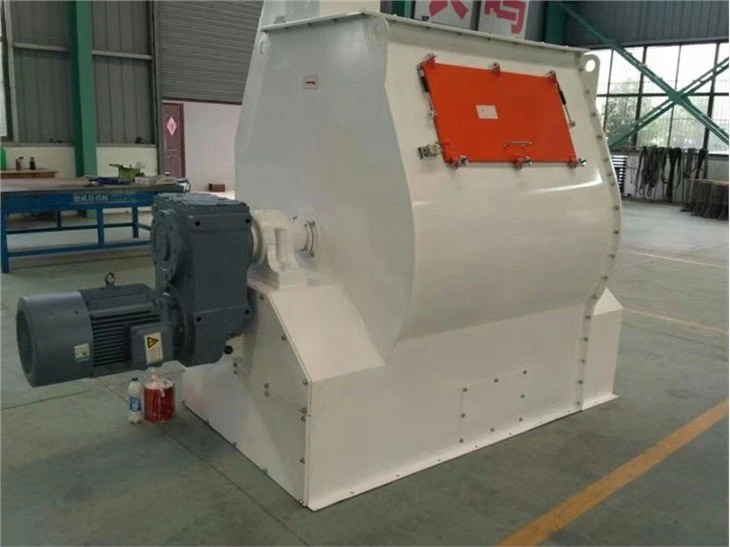
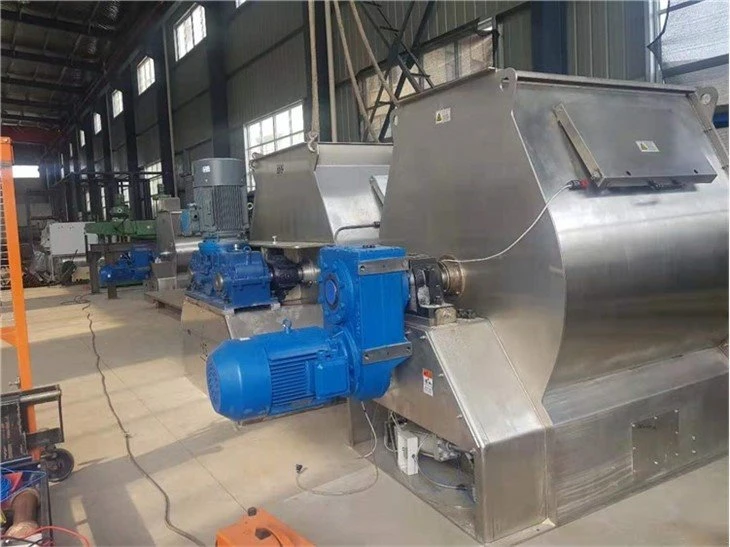
In addition, the size and capacity of the mixer can also affect the color mixing process. Larger mixers may require longer mixing times to achieve a uniform blend, while smaller mixers may have limitations in terms of the volume of materials that can be processed. It's important to choose a mixer with the appropriate size and capacity based on your specific requirements.
Practical Applications
Horizontal mixers are widely used in various industries for mixing different colors of materials. Some of the common applications include:
- Plastics Industry: In the plastics industry, horizontal mixers are used to blend different colored polymers and additives to create plastic products with consistent color and properties.
- Food Industry: Horizontal mixers are used in the food industry to mix different colored ingredients, such as spices, flavors, and dyes, to create food products with uniform color and taste.
- Chemical Industry: In the chemical industry, horizontal mixers are used to mix different colored chemicals and pigments to produce dyes, paints, and coatings with consistent color and quality.
- Pharmaceutical Industry: Horizontal mixers are used in the pharmaceutical industry to mix different colored active ingredients and excipients to produce tablets, capsules, and other pharmaceutical products with uniform color and dosage.
Conclusion
In conclusion, horizontal mixers can be effectively used for mixing different colors of materials. Their versatile design, excellent mixing performance, and ease of cleaning make them a popular choice for various industries. However, it's important to consider the specific requirements of your application and optimize the mixing parameters to ensure a homogeneous blend.
If you're interested in learning more about our horizontal mixers or have any questions about color mixing applications, please feel free to contact us. Our team of experts is available to provide you with personalized advice and solutions to meet your needs. Pellet Die Manufacturer We're committed to helping you achieve the best results with our high-quality equipment.
References
- Smith, J. (2020). Industrial Mixing: Principles and Applications. Wiley.
- Jones, A. (2019). Mixing Technology for the Food Industry. CRC Press.
- Brown, R. (2018). Chemical Engineering Kinetics. Prentice Hall.