

Hey there! As a supplier of horizontal mixers, I often get asked about the best lubricants for these machines. It's a crucial topic because the right lubricant can significantly extend the lifespan of your mixer and keep it running smoothly. So, let's dive into what kind of lubricant is suitable for a horizontal mixer.
Understanding Horizontal Mixers
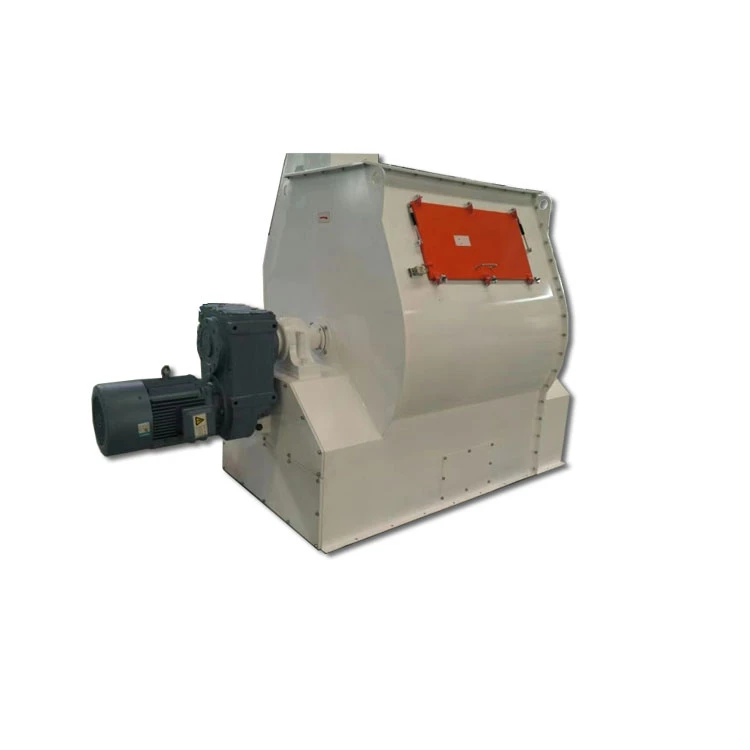
Before we talk about lubricants, let's quickly go over what horizontal mixers are. We offer a variety of horizontal mixers, like the SJHS Paddle Mixer, SLHY Horizontal Mixer, and Twin - shaft Paddle Mixer. These mixers are designed to blend different materials thoroughly. They have rotating shafts and paddles that work together to achieve a homogeneous mixture.

Factors to Consider When Choosing a Lubricant
1. Viscosity
Viscosity is one of the most important factors. It refers to the thickness of the lubricant. For horizontal mixers, you need a lubricant with the right viscosity. If the viscosity is too low, the lubricant won't provide enough protection to the moving parts. On the other hand, if it's too high, it can cause excessive friction and make the mixer work harder.
In general, for mixers operating at normal temperatures and speeds, a medium - viscosity lubricant is a good choice. However, if your mixer is running at high speeds or in a high - temperature environment, you might need a higher - viscosity lubricant to maintain a proper lubricating film.
2. Temperature Resistance
Horizontal mixers can generate heat during operation, especially when they are working continuously. So, the lubricant you choose should be able to withstand the temperature range in which the mixer operates.
Some lubricants are formulated to perform well in extreme cold, while others are designed for high - temperature applications. If your mixer is used in a cold storage facility, you'll need a lubricant with good low - temperature fluidity. Conversely, if it's in a hot factory environment, a high - temperature - resistant lubricant is essential.
3. Load - Carrying Capacity
The moving parts of a horizontal mixer, such as the shafts and bearings, are under a certain amount of load. The lubricant needs to have sufficient load - carrying capacity to prevent metal - to - metal contact and wear.
There are lubricants specifically engineered to handle heavy loads. These lubricants often contain additives that can form a strong protective film on the surfaces of the moving parts, reducing friction and wear even under high pressure.
4. Compatibility
It's crucial to ensure that the lubricant is compatible with the materials used in the mixer. For example, if your mixer has rubber seals, some lubricants might cause the rubber to swell or degrade over time.
Before using a new lubricant, check the manufacturer's recommendations regarding compatibility. If you're not sure, you can perform a small - scale test to see how the lubricant interacts with the mixer's components.
Types of Lubricants Suitable for Horizontal Mixers
1. Mineral Oil - Based Lubricants
Mineral oil - based lubricants are a popular choice for horizontal mixers. They are relatively inexpensive and offer good general - purpose lubrication. These lubricants have a wide range of viscosities available, so you can select one that suits your mixer's requirements.
Mineral oil lubricants are suitable for mixers operating at normal temperatures and loads. However, they may not be the best option for extreme conditions, as they may break down more quickly under high temperatures or heavy loads.
2. Synthetic Lubricants
Synthetic lubricants are more expensive than mineral oil - based ones, but they offer several advantages. They have better temperature resistance, which means they can perform well in both high - and low - temperature environments.
Synthetic lubricants also have a longer lifespan and better load - carrying capacity. They are less likely to oxidize and form sludge, which can extend the intervals between lubricant changes. If your mixer is used in a demanding application, synthetic lubricants are definitely worth considering.
3. Greases
Greases are a thickened form of lubricant. They are ideal for parts that require long - term lubrication and where oil might leak out easily. For horizontal mixers, greases are often used in bearings and other areas where a more stable lubricating film is needed.
There are different types of greases, such as lithium - based, calcium - based, and polyurea - based greases. Each type has its own characteristics. Lithium - based greases are widely used because they offer good general - purpose performance and are compatible with many materials.
Lubrication Maintenance Tips
Once you've chosen the right lubricant for your horizontal mixer, proper maintenance is key to ensuring its effectiveness.
1. Regular Checks
Make it a habit to check the lubricant level regularly. Low lubricant levels can lead to increased friction and wear. You should also inspect the lubricant for signs of contamination, such as dirt, water, or metal particles.
2. Correct Lubrication Procedures
Follow the manufacturer's instructions for lubrication. Use the right tools and apply the lubricant in the correct amount and at the appropriate intervals. Over - lubrication can be just as bad as under - lubrication, as it can cause overheating and attract dirt.
3. Lubricant Replacement
Even the best lubricants will degrade over time. Replace the lubricant according to the recommended schedule. This will help keep your mixer in top condition and prevent premature failure.
Conclusion
Choosing the right lubricant for your horizontal mixer is not a one - size - fits - all decision. You need to consider factors like viscosity, temperature resistance, load - carrying capacity, and compatibility. Whether you opt for a mineral oil - based lubricant, a synthetic lubricant, or a grease, make sure it meets the specific requirements of your mixer.
If you're still unsure about which lubricant is best for your SJHS Paddle Mixer, SLHY Horizontal Mixer, or Twin - shaft Paddle Mixer, don't hesitate to reach out. We're here to help you make the right choice and ensure that your mixer operates efficiently for years to come. Contact us for more information and let's start a discussion about your specific needs.
References
- Machinery Lubrication Handbook
- Lubricant Manufacturer's Technical Data Sheets
- Horizontal Mixer Manufacturer's Manuals