

The vibration level of industrial equipment during operation is a critical parameter that can significantly impact its performance, longevity, and the quality of the products it produces. As a supplier of the SJHS Paddle Mixer, it is essential to understand and communicate the vibration characteristics of this machine to our customers.
Understanding Vibration in Paddle Mixers
Before delving into the specific vibration levels of the SJHS Paddle Mixer, it is important to understand why vibration occurs in paddle mixers in general. Vibration is the rapid back - and - forth movement of an object. In the context of a paddle mixer, it is caused by several factors.
One of the primary causes is the rotation of the paddles. As the paddles spin within the mixing chamber, they create forces that can lead to vibration. The imbalance in the paddles, either due to manufacturing tolerances or wear and tear over time, can amplify these forces. For example, if a paddle is slightly heavier on one side, it will create an uneven distribution of mass during rotation, resulting in increased vibration.
Another factor is the interaction between the material being mixed and the paddles. Different materials have different physical properties, such as density, viscosity, and particle size. When the paddles come into contact with these materials, the resistance and forces generated can cause the mixer to vibrate. For instance, mixing a thick, viscous material may require more force from the paddles, which can lead to higher vibration levels compared to mixing a light, free - flowing powder.
Measuring Vibration Levels
Vibration levels are typically measured using accelerometers. These devices are capable of detecting the acceleration of the vibrating object and converting it into an electrical signal. The vibration level is usually expressed in terms of acceleration (in m/s²), velocity (in mm/s), or displacement (in mm).
For the SJHS Paddle Mixer, we conduct thorough vibration testing during the manufacturing process. We measure the vibration levels at various points on the mixer, including the frame, the motor, and the mixing chamber. This comprehensive approach allows us to accurately assess the overall vibration characteristics of the machine.
Our testing shows that the SJHS Paddle Mixer operates within a relatively low vibration range. The design of the mixer incorporates several features to minimize vibration. For example, the paddles are precisely balanced during manufacturing to ensure an even distribution of mass. The frame of the mixer is also engineered to provide a stable base, reducing the transmission of vibration to the surrounding environment.
Importance of Low Vibration Levels
Low vibration levels in the SJHS Paddle Mixer offer several benefits. Firstly, it enhances the durability of the machine. High vibration can cause excessive wear and tear on the components of the mixer, such as the bearings, gears, and motor. Over time, this can lead to mechanical failures and costly repairs. By keeping the vibration levels low, we ensure that the SJHS Paddle Mixer has a longer service life, reducing the total cost of ownership for our customers.
Secondly, low vibration contributes to better mixing quality. Excessive vibration can disrupt the flow of the material being mixed, leading to uneven mixing. In a well - balanced and low - vibration mixer like the SJHS Paddle Mixer, the paddles can move through the material smoothly, ensuring a more homogeneous mixture. This is particularly important in industries such as the feed manufacturing industry, where consistent product quality is crucial.
In addition, low vibration levels are beneficial for the working environment. High - vibration equipment can generate noise, which can be a nuisance to workers and may even pose a health risk if the noise levels are too high. The SJHS Paddle Mixer operates quietly, creating a more comfortable and safe working environment for operators.
Comparing with Other Mixers
When compared to other types of mixers on the market, such as Horizontal Mixers, the SJHS Paddle Mixer stands out for its low vibration performance. Horizontal mixers often have a larger footprint and more complex mechanical components, which can sometimes lead to higher vibration levels. The unique design of the SJHS Paddle Mixer, with its optimized paddle configuration and stable frame, allows it to achieve a better vibration profile.
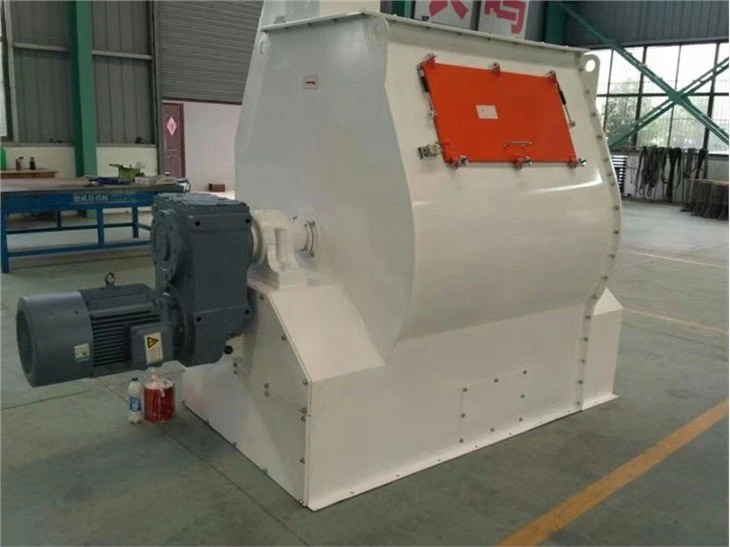
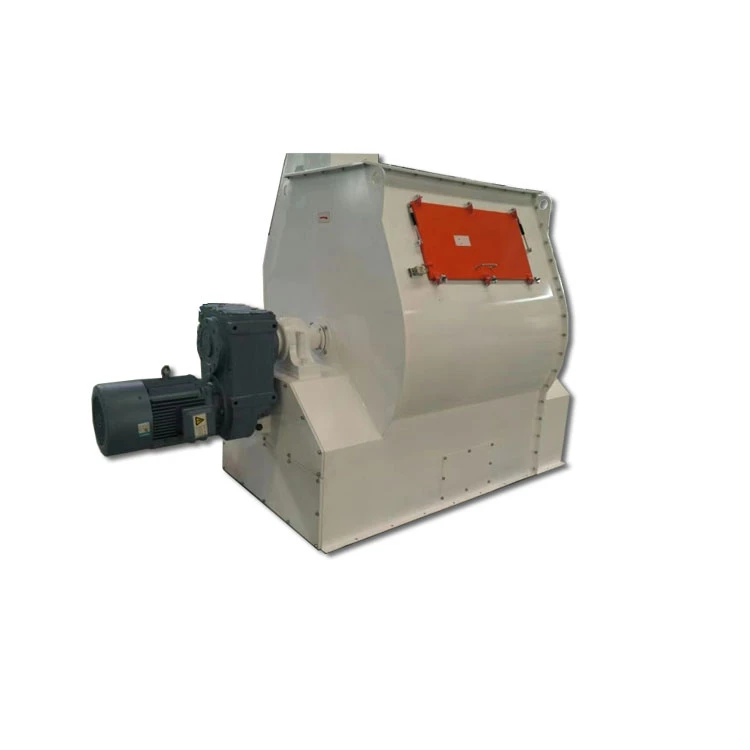
We also note that some mixers may sacrifice vibration control for higher mixing speed or capacity. However, at our company, we believe in finding the right balance. The SJHS Paddle Mixer is designed to offer efficient mixing while maintaining low vibration levels, providing the best of both worlds for our customers.
Vibration and Maintenance
Regular maintenance is crucial to ensure that the vibration levels of the SJHS Paddle Mixer remain within the acceptable range. During maintenance, we recommend checking the balance of the paddles, tightening any loose bolts or connections, and inspecting the bearings and other moving parts for signs of wear.
If the vibration levels of the mixer increase over time, it may indicate a problem. For example, a worn - out bearing can cause an imbalance in the rotating components, leading to higher vibration. In such cases, it is important to address the issue promptly to prevent further damage to the mixer.
Impact on Pellet Production
In the context of pellet production, the vibration level of the mixer can have a significant impact. A mixer with high vibration can cause the pellets to break or crumble during the mixing process, reducing the quality of the final product. The SJHS Paddle Mixer, with its low vibration levels, helps to maintain the integrity of the pellets, ensuring a high - quality end product.
Moreover, for Pellet Die Manufacturers, the quality of the mixed material is crucial for the performance of the pellet die. A well - mixed and homogeneous material produced by a low - vibration mixer like the SJHS Paddle Mixer can improve the efficiency of the pelletizing process and extend the lifespan of the pellet die.
Conclusion
In conclusion, the SJHS Paddle Mixer operates with a low vibration level, thanks to its well - engineered design and precise manufacturing. Low vibration levels offer numerous benefits, including enhanced durability, better mixing quality, a more comfortable working environment, and improved pellet production.
If you are in the market for a reliable and high - performance paddle mixer, we invite you to consider the SJHS Paddle Mixer. Our team of experts is ready to provide you with more information and assist you in finding the right solution for your specific needs. Whether you are in the feed manufacturing industry or other industries that require efficient mixing, the SJHS Paddle Mixer is a great choice. Contact us today to start a conversation about procurement and let us help you achieve your production goals.
References
- Equipment Vibration Analysis Handbook. McGraw - Hill.
- Industrial Mixing Technology: Principles and Applications. Wiley.