

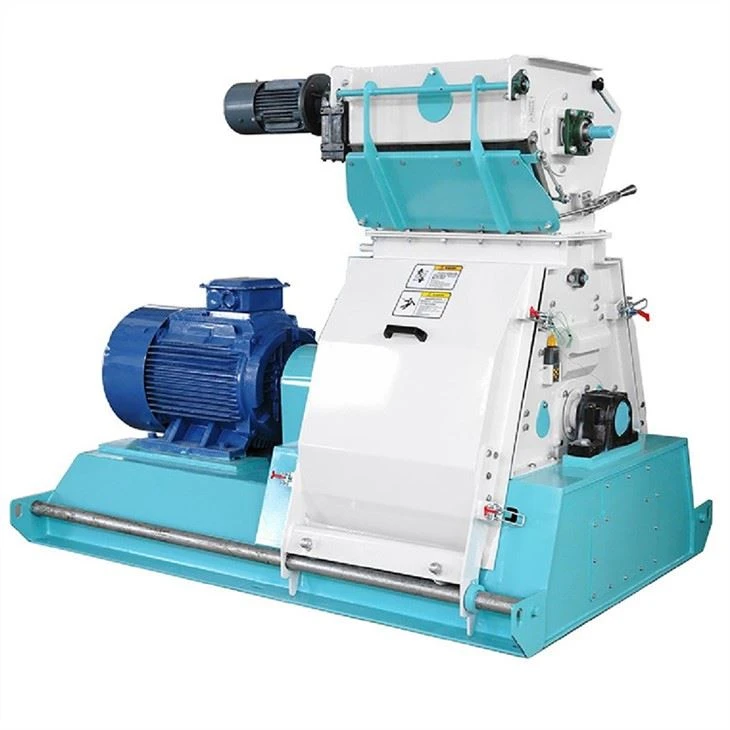
Vibration in a feed hammer mill can be a real pain in the neck. It not only affects the performance of the machine but also shortens its lifespan. As a feed hammer mill supplier, I've seen my fair share of these vibration issues, and I'm here to share some tips on how to reduce them.
Understanding the Causes of Vibration
Before we dive into the solutions, it's important to understand what causes the vibration in the first place. There are several factors that can contribute to this problem:
1. Unbalanced Rotating Parts
The hammers and the rotor are the main rotating parts in a feed hammer mill. If they're not balanced properly, it can cause a significant amount of vibration. Over time, wear and tear can also lead to an imbalance. For example, if one of the hammers gets damaged or worn out, it can throw off the balance of the entire rotor.
2. Loose Components
Loose bolts, nuts, or other components can also cause vibration. During the operation of the mill, the constant shaking can cause these parts to loosen up. If not tightened regularly, they can lead to increased vibration and even damage to the machine.
3. Improper Installation
If the feed hammer mill is not installed correctly, it can result in vibration. This includes issues like an uneven foundation or incorrect alignment. For instance, if the mill is not level, it can put extra stress on certain parts of the machine, leading to vibration.
4. Material Feed Issues
The way the material is fed into the mill can also affect vibration. If the feed rate is too high or the material is not evenly distributed, it can cause the mill to vibrate. Additionally, feeding materials with inconsistent particle sizes can also contribute to the problem.
Solutions to Reduce Vibration
1. Balancing the Rotating Parts
One of the most effective ways to reduce vibration is to ensure that the rotating parts are balanced. This can be done by using a balancing machine. First, the rotor and hammers should be removed from the mill. Then, they are placed on the balancing machine, which measures the imbalance. Based on the readings, weights are added or removed from the rotor to achieve a proper balance. Regularly checking and balancing the rotating parts can significantly reduce vibration.
2. Tightening Loose Components
Regular maintenance is crucial to keep the mill in good working condition. Make it a habit to check all the bolts, nuts, and other components for tightness. Use a torque wrench to ensure that they are tightened to the correct specifications. This simple step can prevent many vibration-related problems.
3. Proper Installation
When installing the feed hammer mill, make sure to follow the manufacturer's instructions carefully. Ensure that the foundation is level and stable. Use a spirit level to check the alignment of the mill. If necessary, use shims to adjust the height and level of the machine. A properly installed mill will experience less vibration and perform better overall.

4. Controlling the Material Feed
To reduce vibration caused by material feed issues, it's important to control the feed rate and ensure even distribution of the material. Use a feeder to regulate the amount of material being fed into the mill. This can help maintain a consistent feed rate and prevent overloading. Additionally, try to use materials with consistent particle sizes. If possible, pre-screen the materials to remove any large or irregularly shaped particles.
5. Using Vibration Dampeners
Vibration dampeners can be installed on the mill to absorb and reduce the vibration. These dampeners are typically made of rubber or other elastic materials. They work by converting the kinetic energy of the vibration into heat energy, which is then dissipated. There are different types of vibration dampeners available, and the right one for your mill will depend on its size and the level of vibration.
The Benefits of Reducing Vibration
Reducing vibration in a feed hammer mill offers several benefits:
1. Improved Performance
A mill with less vibration operates more smoothly and efficiently. It can process materials more evenly, resulting in a higher quality product. The reduced vibration also means less stress on the machine's components, which can lead to fewer breakdowns and less downtime.
2. Extended Lifespan
By reducing the vibration, you can significantly extend the lifespan of the feed hammer mill. The less stress on the parts, the less wear and tear they will experience. This means that you won't have to replace the components as often, saving you money in the long run.
3. Safety
Excessive vibration can be a safety hazard. It can cause the mill to move or even tip over, which can be dangerous for the operators. By reducing the vibration, you can create a safer working environment.
Our Feed Hammer Mill Products
As a feed hammer mill supplier, we offer a wide range of high-quality products, including Fish Feed Hammer Mill, Industrial Hammer Mill, and Animal Feed Crushing Machine. Our mills are designed with the latest technology to minimize vibration and ensure optimal performance.
If you're experiencing vibration issues with your current feed hammer mill or are looking to purchase a new one, don't hesitate to contact us. Our team of experts can provide you with the best solutions and advice to meet your specific needs. We're committed to providing top-notch products and excellent customer service. So, let's start a conversation and find the perfect feed hammer mill for you!
References
- "Feed Hammer Mill Operation and Maintenance Guide", Industry Handbook, 2022
- "Vibration Analysis in Industrial Machinery", Engineering Journal, 2021
- "The Effects of Vibration on Feed Processing Equipment", Feed Technology Magazine, 2020