

The maintenance cost of a Feed Mill Crumbler is a crucial consideration for feed manufacturers aiming to optimize their operations and maximize profitability. As a reputable supplier of Feed Mill Crumblers, I understand the significance of providing accurate information about maintenance costs to help our customers make informed decisions. In this blog post, I will delve into the various factors that contribute to the maintenance cost of a Feed Mill Crumbler and provide insights on how to manage these costs effectively.
Understanding the Feed Mill Crumbler
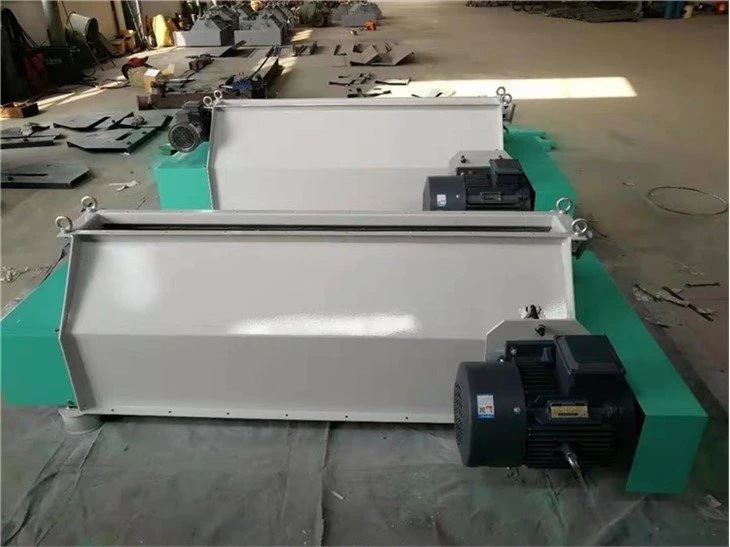
Before discussing the maintenance cost, it's essential to have a basic understanding of what a Feed Mill Crumbler is and how it works. A Feed Mill Crumbler is a machine used in the feed manufacturing process to break down pellets into smaller, more manageable crumbles. This is particularly useful for young animals or those with specific dietary requirements that may have difficulty consuming whole pellets.
There are different types of Feed Mill Crumblers available in the market, including Pellet Crumbler Machine, Poultry Feed Crumble Machine, and Crumbler for Animal Feed. Each type is designed to meet specific production needs and may have different maintenance requirements.
Factors Affecting Maintenance Cost
1. Wear and Tear of Components
The most significant contributor to the maintenance cost of a Feed Mill Crumbler is the wear and tear of its components. The crumbler consists of several moving parts, such as rollers, belts, bearings, and knives, which are subject to friction and mechanical stress during operation. Over time, these parts will gradually wear out and need to be replaced.
The frequency of component replacement depends on various factors, including the quality of the components, the operating conditions, and the production volume. High-quality components are generally more durable and require less frequent replacement, but they may also come with a higher upfront cost. Operating conditions, such as temperature, humidity, and the presence of dust and debris, can also affect the lifespan of the components. For example, operating the crumbler in a dusty environment may cause premature wear of the bearings and belts.
2. Lubrication and Cleaning
Proper lubrication and cleaning are essential for maintaining the performance and longevity of a Feed Mill Crumbler. Lubrication reduces friction between moving parts, preventing excessive wear and heat generation. It also helps to protect the components from corrosion and contamination. Cleaning, on the other hand, removes dirt, dust, and feed residues from the machine, preventing blockages and ensuring smooth operation.
The cost of lubrication and cleaning includes the cost of lubricants, cleaning agents, and the labor required to perform these tasks. The frequency of lubrication and cleaning depends on the operating conditions and the manufacturer's recommendations. In general, it is recommended to lubricate the moving parts regularly and clean the machine after each production run.
3. Electrical and Control Systems
The electrical and control systems of a Feed Mill Crumbler are responsible for regulating the speed, pressure, and other operating parameters of the machine. These systems are complex and require regular maintenance to ensure their proper functioning. Electrical components, such as motors, sensors, and controllers, may fail due to electrical faults, overheating, or mechanical damage.
The maintenance cost of the electrical and control systems includes the cost of diagnostic equipment, replacement parts, and the labor required to repair or replace the faulty components. It is important to have a qualified electrician or technician perform the maintenance and repair work to ensure the safety and reliability of the machine.
4. Operator Training and Safety
Proper operator training is crucial for minimizing the maintenance cost of a Feed Mill Crumbler. Operators who are trained to use the machine correctly and follow the recommended maintenance procedures can prevent many common problems and reduce the risk of equipment damage. They can also identify potential issues early and take appropriate action to prevent them from escalating.
In addition to operator training, safety is also an important consideration when operating a Feed Mill Crumbler. The machine is equipped with various safety features, such as guards, emergency stop buttons, and safety interlocks, to protect the operators from injury. Regular safety inspections and maintenance of these safety features are essential to ensure their proper functioning.
Managing Maintenance Costs
1. Preventive Maintenance
Implementing a preventive maintenance program is the most effective way to manage the maintenance cost of a Feed Mill Crumbler. A preventive maintenance program involves performing regular inspections, lubrication, cleaning, and component replacement based on a predetermined schedule. By identifying and addressing potential issues before they become major problems, preventive maintenance can reduce the frequency and cost of unscheduled repairs.
The preventive maintenance schedule should be based on the manufacturer's recommendations and the specific operating conditions of the machine. It should include tasks such as checking the alignment of the rollers, inspecting the belts and bearings for wear, lubricating the moving parts, and cleaning the electrical and control systems. Keeping detailed records of the maintenance activities can also help to track the performance of the machine and identify any recurring issues.
2. Component Selection and Quality
Choosing high-quality components is another important factor in managing the maintenance cost of a Feed Mill Crumbler. High-quality components are generally more durable and reliable, requiring less frequent replacement. They may also come with a longer warranty, which can provide additional protection and peace of mind.
When selecting components, it is important to consider the specific requirements of the machine and the operating conditions. For example, if the machine is operating in a harsh environment, it may be necessary to choose components that are resistant to corrosion and wear. It is also recommended to purchase components from a reputable supplier who can provide technical support and ensure the availability of spare parts.

3. Operator Training and Education
Investing in operator training and education is a cost-effective way to reduce the maintenance cost of a Feed Mill Crumbler. Well-trained operators are more likely to use the machine correctly, follow the recommended maintenance procedures, and identify potential issues early. They can also perform basic troubleshooting and maintenance tasks, reducing the need for external technical support.
Operator training should cover topics such as machine operation, safety procedures, maintenance requirements, and troubleshooting techniques. It can be provided by the manufacturer, a third-party training provider, or in-house training programs. Regular refresher courses and updates on new technologies and best practices can also help to keep the operators up-to-date and improve their skills.
Conclusion
The maintenance cost of a Feed Mill Crumbler is influenced by various factors, including wear and tear of components, lubrication and cleaning, electrical and control systems, and operator training and safety. By understanding these factors and implementing effective maintenance strategies, feed manufacturers can minimize the maintenance cost of their crumblers and ensure the reliable and efficient operation of their production lines.
As a supplier of Feed Mill Crumblers, we are committed to providing our customers with high-quality machines and comprehensive after-sales support. If you are interested in learning more about our Feed Mill Crumblers or have any questions about maintenance costs, please feel free to contact us. We would be happy to discuss your specific needs and provide you with a customized solution.
References
- Feed Manufacturing Technology Handbook, by John S. Young
- Maintenance Management in the Food Industry, by Paul D. Brown
- Electrical Systems for Industrial Machines, by Robert A. Parker