

Hey there! As a supplier of Horizontal Mixers, I often get asked about the temperature resistance of these machines. It's a crucial factor, especially when you're using the mixer in various industrial settings. So, let's dive right in and explore what temperature resistance means for a Horizontal Mixer.
First off, what exactly is temperature resistance? In simple terms, it's the ability of a Horizontal Mixer to withstand different temperatures without suffering any significant damage or a drop in performance. You see, different industries require mixers to operate under various temperature conditions. For instance, in the food industry, you might need to mix ingredients at relatively low temperatures to preserve the quality and freshness of the food. On the other hand, in the chemical industry, high - temperature mixing might be necessary for certain chemical reactions.
Now, let's talk about the factors that affect the temperature resistance of a Horizontal Mixer. The materials used in the construction of the mixer play a huge role. Most of our mixers, like the SJHS Paddle Mixer, are made from high - quality stainless steel. Stainless steel is known for its excellent heat resistance and corrosion resistance. It can handle a wide range of temperatures, from freezing cold to quite high temperatures. This means that whether you're mixing in a cold storage facility or a hot industrial environment, the mixer can keep up.
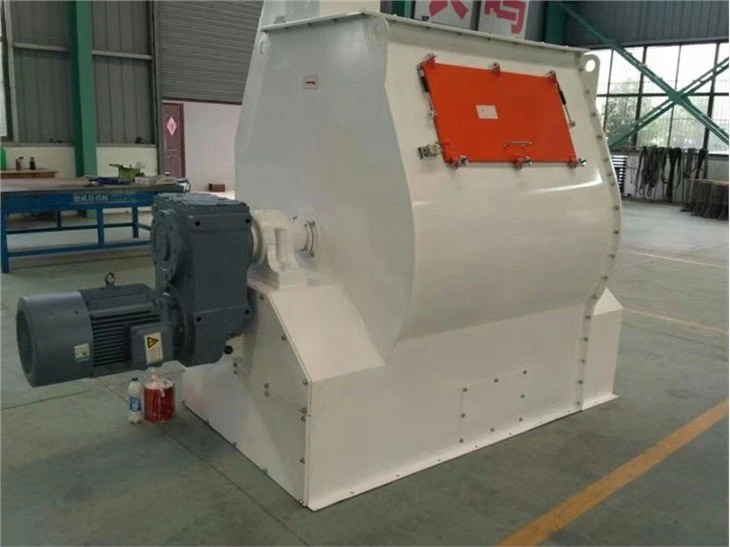
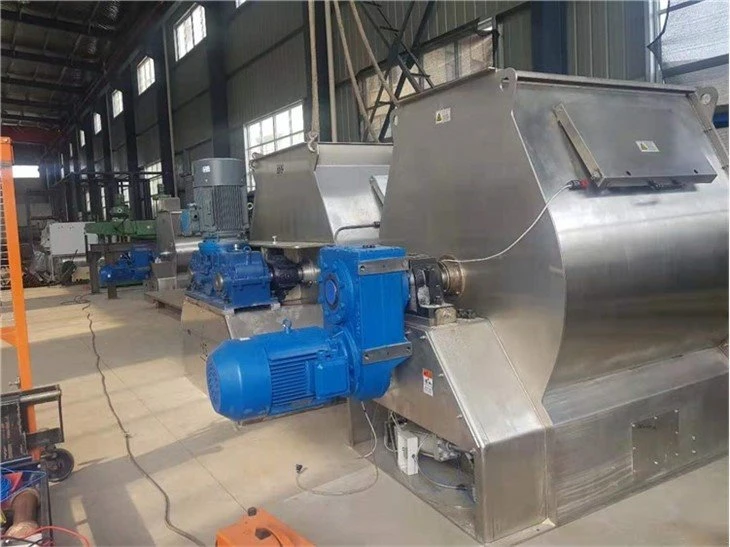
Another important component is the seals and gaskets. These are used to prevent leakage of the mixed materials and to keep the internal parts of the mixer protected. The seals need to be made from materials that can withstand the operating temperatures. For example, in high - temperature applications, we use special high - temperature rubber seals that won't melt or lose their elasticity.
The motor of the Horizontal Mixer also has a temperature limit. The motor generates heat during operation, and if the surrounding temperature is too high, it can cause the motor to overheat. This is why we design our motors to have a good heat dissipation system. For example, the motors in our Twin - shaft Paddle Mixer are equipped with cooling fans and heat sinks to ensure that they can operate efficiently even in warm environments.
Let's take a look at some common temperature ranges for different types of Horizontal Mixers. In general, our standard mixers can handle temperatures from - 20°C to 80°C. This range is suitable for most common industrial applications, such as mixing animal feed in a regular feed mill. The Feed Mill Paddle Mixer is a great example of a mixer that can work well within this temperature range.
However, if you have special requirements, we can customize the mixer to handle more extreme temperatures. For very low - temperature applications, like in the pharmaceutical industry where you might need to mix at sub - zero temperatures, we can use special insulation materials and cold - resistant components. On the other hand, for high - temperature applications, such as in the asphalt mixing industry, we can use heat - resistant coatings and high - temperature alloys in the construction of the mixer.
When it comes to testing the temperature resistance of our Horizontal Mixers, we have a strict quality control process. We use temperature sensors to monitor the internal and external temperatures of the mixer during operation. We also conduct long - term tests in different temperature environments to ensure that the mixer can maintain its performance over time.
Now, you might be wondering how temperature affects the mixing process itself. Well, temperature can have a significant impact on the viscosity of the materials being mixed. At high temperatures, the viscosity of some materials decreases, which means they flow more easily. This can make the mixing process faster and more efficient. However, it also means that the mixer needs to be designed to handle the lower - viscosity materials without causing any splashing or leakage.
Conversely, at low temperatures, the viscosity of some materials increases. This can make the mixing process more difficult, as the mixer has to work harder to move the thicker materials. Our mixers are designed with powerful motors and efficient mixing paddles to ensure that they can handle these changes in viscosity.
In addition to the direct effects on the mixing process, temperature can also affect the lifespan of the mixer. Exposure to extreme temperatures for long periods can cause wear and tear on the components. For example, high temperatures can cause the metal parts to expand and contract, which can lead to cracks and other structural damage over time. That's why it's important to choose a mixer with good temperature resistance to ensure its long - term reliability.
If you're in the market for a Horizontal Mixer and temperature resistance is a key concern for you, don't hesitate to reach out to us. We have a wide range of mixers to choose from, and our team of experts can help you select the right one for your specific temperature requirements. Whether you need a mixer for a small - scale operation or a large industrial facility, we've got you covered.
In conclusion, the temperature resistance of a Horizontal Mixer is a critical factor that can affect its performance, reliability, and lifespan. By choosing a high - quality mixer made from the right materials and with proper design features, you can ensure that your mixing process runs smoothly in any temperature environment. So, if you're looking for a reliable Horizontal Mixer, contact us today to start the procurement and negotiation process.
References
- Industrial Mixer Handbook: A Guide to Mixing Technology and Applications
- Stainless Steel in Industrial Equipment: Properties and Applications