

Hey there! As a supplier of counterflow coolers, I often get asked about the role of the distribution system in these machines. Well, let me tell you, it's a pretty crucial part of the whole setup.
First off, let's talk about what a counterflow cooler is. A counterflow cooler is a key piece of equipment in the feed processing industry. It's used to cool down hot feed pellets right after they've been extruded. The high - temperature pellets come out of the pellet mill, and if they're not cooled properly, they can develop all sorts of problems like mold growth, and they won't store well.
So, what's the deal with the distribution system? The distribution system in a counterflow cooler is like the traffic cop of the whole operation. Its main job is to evenly distribute the hot feed pellets across the cooler. When the pellets come into the cooler, they're usually in a big, clumpy mass. If they're just dumped in randomly, some parts of the cooler will have too many pellets, while others will have too few. This uneven distribution can lead to inconsistent cooling.
Imagine if you're baking cookies in an oven. If you pile all the cookies in one corner of the baking sheet, they're going to cook unevenly. The same principle applies here. The distribution system makes sure that the pellets are spread out evenly so that each pellet gets the same amount of cool air exposure.
One of the ways the distribution system does this is through a series of chutes and baffles. These are like little guides that direct the pellets as they fall into the cooler. The chutes are designed to break up the clumps of pellets and spread them out. The baffles, on the other hand, help to slow down the pellets' fall and make sure they're evenly distributed across the width of the cooler.
Another important aspect of the distribution system is its ability to handle different types of feed pellets. Different feeds have different characteristics. Some pellets are larger, some are smaller, some are more brittle, and some are more dense. The distribution system needs to be flexible enough to handle all these variations. For example, if you're dealing with small, lightweight pellets, the chutes and baffles need to be adjusted so that the pellets don't get blown away by the air currents in the cooler.
Now, let's talk about how the distribution system interacts with the cooling process. In a counterflow cooler, the cool air flows in the opposite direction of the falling pellets. This counter - flow design is very efficient because it allows for maximum heat transfer. The distribution system plays a key role in this by making sure that the pellets are in the right position to receive the cool air.
When the cool air enters the cooler, it needs to pass through the layer of pellets. If the pellets are unevenly distributed, the air will take the path of least resistance. This means that some pellets will get more air than others, and the cooling will be uneven. The distribution system helps to create a uniform layer of pellets, so the air can flow through evenly and cool all the pellets at the same rate.
The distribution system also affects the residence time of the pellets in the cooler. The residence time is how long the pellets stay in the cooler. If the pellets are distributed evenly, they will all have the same residence time. This is important because it ensures that all the pellets are cooled to the same temperature. If some pellets have a shorter residence time because they're in an area with less air flow, they won't be cooled properly.
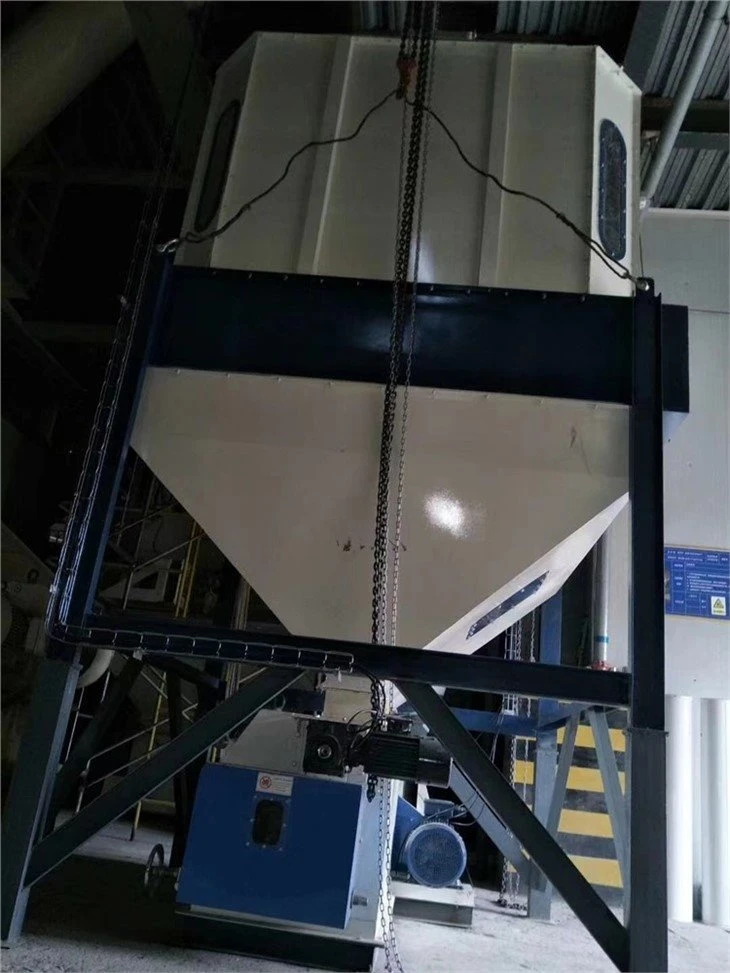
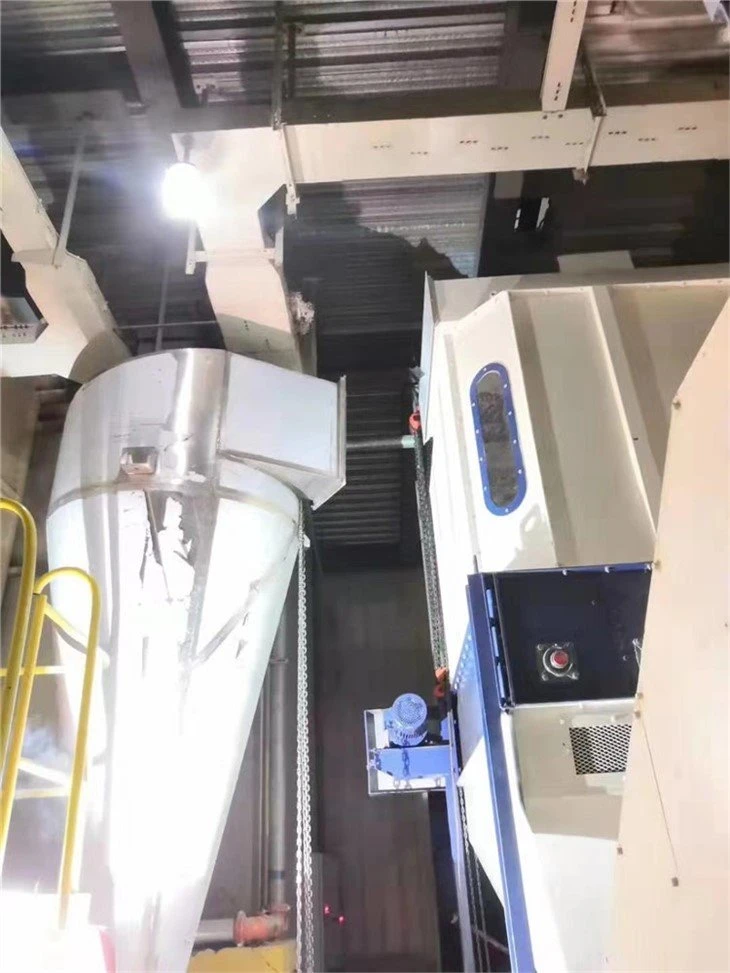
In addition to even distribution, the distribution system also helps to prevent blockages. Sometimes, the pellets can clump together and form blockages in the cooler. This can disrupt the flow of air and pellets, and it can even damage the cooler. The distribution system is designed to break up these clumps and keep the flow of pellets smooth.
At our company, we've developed some really advanced distribution systems for our Counterflow Feed Pellet Cooler. Our systems are designed to be highly efficient and reliable. We use state - of - the - art technology to ensure that the pellets are distributed evenly every time.
For example, our SKLN Counterflow Cooler features a unique distribution system that uses adjustable chutes and baffles. This allows us to customize the distribution based on the type of feed pellets being processed. Whether you're dealing with large, dense pellets or small, lightweight ones, our system can handle it.
We also use sensors in our distribution systems to monitor the flow of pellets. These sensors can detect any blockages or uneven distribution and make adjustments automatically. This means that you don't have to worry about constantly monitoring the cooler. You can just set it up and let it do its job.
In conclusion, the distribution system in a counterflow cooler is an essential component. It plays a crucial role in ensuring even distribution of pellets, efficient cooling, and preventing blockages. If you're in the market for a counterflow cooler, make sure you pay attention to the quality of the distribution system.
If you're interested in learning more about our counterflow coolers or have any questions about the distribution system, don't hesitate to get in touch. We're always happy to have a chat and help you find the right solution for your needs. Whether you're a small - scale feed producer or a large industrial operation, we've got the right cooler for you. So, come and talk to us, and let's start a great business relationship!
References
- Feed Processing Technology Handbook
- Principles of Feed Pellet Cooling and Drying