

As a leading supplier of Impeller Feeders, I've witnessed firsthand the pivotal role these devices play in various industrial processes. Impeller Feeders are essential for accurately and consistently metering bulk materials into processing systems. However, like any mechanical equipment, they can encounter a range of problems that may disrupt operations. In this blog, I'll discuss some common issues with Impeller Feeders and provide practical solutions to address them.
Common Problems with Impeller Feeders
1. Material Blockages
One of the most prevalent issues with Impeller Feeders is material blockages. These blockages can occur due to several reasons, such as the presence of oversized particles, bridging of fine materials, or improper impeller design. When blockages happen, the flow of material is disrupted, leading to inconsistent feeding rates and potential damage to the feeder.
For example, in a powder processing plant, if the powder contains agglomerates or large particles, they can get stuck in the impeller housing or the discharge chute. This not only affects the feeding accuracy but also increases the risk of motor overload and mechanical failure.
2. Wear and Tear
Impeller Feeders are subject to significant wear and tear, especially when handling abrasive materials. The constant friction between the impeller blades and the material can cause the blades to wear down over time. This can lead to reduced feeding efficiency, inaccurate metering, and increased maintenance costs.
In industries such as mining and cement production, where abrasive materials like coal, limestone, and ore are commonly handled, the wear on the impeller can be particularly severe. The worn impeller blades may not be able to convey the material effectively, resulting in uneven feeding and potential production bottlenecks.
3. Motor and Drive Issues
The motor and drive system of an Impeller Feeder are crucial for its proper operation. Problems with the motor, such as overheating, electrical failures, or incorrect sizing, can cause the feeder to malfunction. Similarly, issues with the drive mechanism, such as belt slippage, gearbox problems, or coupling failures, can also disrupt the feeding process.
For instance, if the motor is undersized for the application, it may struggle to drive the impeller at the required speed, leading to inconsistent feeding rates. On the other hand, if the drive belt is worn or loose, it can slip, causing the impeller to rotate erratically and affecting the accuracy of the material metering.
4. Inaccurate Feeding
Accurate feeding is essential for many industrial processes, and any deviation from the desired feeding rate can have a significant impact on product quality and production efficiency. Inaccurate feeding can be caused by various factors, including mechanical issues, material properties, and control system problems.
For example, if the impeller speed is not properly calibrated, or if the material density changes during the feeding process, the actual feeding rate may deviate from the setpoint. This can result in overfeeding or underfeeding, leading to product quality issues and increased waste.
Solutions to Common Problems
1. Preventing Material Blockages
To prevent material blockages, it's important to ensure that the material being fed is properly sized and free of oversized particles. This can be achieved by using a pre-screening system before the material enters the Impeller Feeder. Additionally, the design of the impeller and the housing should be optimized to minimize the risk of bridging and blockages.
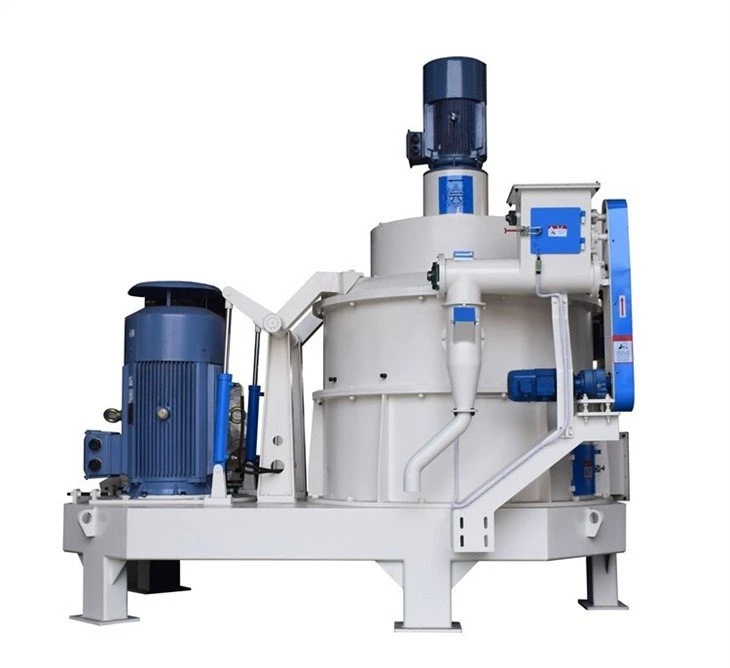

For example, using a larger impeller diameter or a special blade design can help to improve the flow of the material and reduce the likelihood of blockages. It's also important to regularly inspect and clean the feeder to remove any accumulated material that may cause blockages.
2. Reducing Wear and Tear
To reduce wear and tear on the impeller, it's recommended to use wear-resistant materials for the impeller blades and the housing. Materials such as hardened steel, ceramic, or rubber can provide better resistance to abrasion and extend the lifespan of the feeder.
In addition to using wear-resistant materials, proper maintenance and lubrication are also essential. Regularly inspecting the impeller for signs of wear and replacing the worn parts in a timely manner can help to prevent further damage and ensure the continued operation of the feeder.
3. Addressing Motor and Drive Issues
To address motor and drive issues, it's important to select the right motor and drive system for the application. The motor should be properly sized to ensure that it can provide sufficient power to drive the impeller at the required speed. Additionally, regular maintenance and inspection of the motor and drive components, such as checking the belt tension, lubricating the gearbox, and inspecting the electrical connections, can help to prevent potential problems.
If a motor or drive issue does occur, it's important to diagnose and repair it as soon as possible to minimize downtime. In some cases, it may be necessary to replace the motor or the drive components to ensure the proper operation of the feeder.
4. Improving Feeding Accuracy
To improve feeding accuracy, it's important to use a reliable control system that can accurately monitor and adjust the impeller speed based on the material properties and the desired feeding rate. This can be achieved by using a variable frequency drive (VFD) or a programmable logic controller (PLC) to control the motor speed.
In addition to using a control system, it's also important to regularly calibrate the feeder to ensure that it is operating at the correct feeding rate. This can be done by weighing the material being fed over a specific period of time and comparing the actual feeding rate with the setpoint. Any deviations can be adjusted by fine-tuning the control parameters.
Conclusion
Impeller Feeders are essential equipment in many industrial processes, but they can encounter a range of problems that may affect their performance and reliability. By understanding the common problems and implementing the appropriate solutions, you can ensure the smooth operation of your Impeller Feeder and improve the efficiency of your production process.
If you're experiencing any issues with your Impeller Feeder, or if you're looking for a reliable supplier of high-quality Impeller Feeders, please don't hesitate to contact us. We have a team of experienced engineers and technicians who can provide you with professional advice and support. We also offer a wide range of products, including the Impeller Feeder, SWFL Series Ultra-fine Pulverizer, and Poultry Feed Hammer Mill, to meet your specific needs.
References
- Perry, R. H., & Green, D. W. (Eds.). (2008). Perry's Chemical Engineers' Handbook. McGraw-Hill.
- Cengel, Y. A., & Boles, M. A. (2015). Thermodynamics: An Engineering Approach. McGraw-Hill.
- Shigley, J. E., Mischke, C. R., & Budynas, R. G. (2004). Mechanical Engineering Design. McGraw-Hill.