

As a supplier of hammer mills, I understand the significance of optimizing the design of these crucial machines. Hammer mills are widely used in various industries, including agriculture, mining, and recycling, for grinding and crushing different materials. In this blog post, I will share some insights on how to optimize the design of a hammer mill to enhance its performance, efficiency, and durability.
Understanding the Basics of Hammer Mill Design
Before delving into the optimization strategies, it is essential to have a clear understanding of the basic components and working principles of a hammer mill. A typical hammer mill consists of a rotor with hammers, a screen, a feed hopper, and a motor. The material to be processed is fed into the mill through the feed hopper and is then struck by the rotating hammers. The hammers break the material into smaller pieces, which then pass through the screen and are discharged from the mill.
The design of a hammer mill can significantly affect its performance. Factors such as the size and shape of the hammers, the speed of the rotor, the size of the screen openings, and the type of material being processed all play a crucial role in determining the efficiency and effectiveness of the mill.
Optimizing the Hammer Design
The hammers are the most critical components of a hammer mill, as they are responsible for breaking the material. Optimizing the hammer design can improve the mill's performance in several ways.
Hammer Material and Hardness
The choice of hammer material is crucial. High - quality materials with appropriate hardness can withstand the wear and impact forces during the grinding process. For example, alloy steels or carbide - tipped hammers are often used in hammer mills for processing hard and abrasive materials. These materials offer better wear resistance, which extends the hammer's lifespan and reduces the frequency of hammer replacement.
Hammer Shape and Size
The shape and size of the hammers can also affect the grinding efficiency. Different shapes, such as rectangular, square, or round - edged hammers, can be used depending on the type of material being processed. For instance, rectangular hammers are more suitable for coarse grinding, while round - edged hammers can provide a more uniform grind. Additionally, the size of the hammers should be carefully selected to match the size of the mill and the material feed rate.
Hammer Arrangement
The arrangement of the hammers on the rotor can impact the mill's performance. A proper hammer arrangement ensures even distribution of the impact forces and reduces vibration. For example, a balanced arrangement of hammers around the rotor can improve the stability of the mill during operation and prevent premature wear of the bearings and other components.
Optimizing the Screen Design
The screen is another important component of a hammer mill, as it determines the particle size of the final product.
Screen Opening Size
Selecting the appropriate screen opening size is crucial for achieving the desired particle size distribution. Smaller screen openings will produce finer particles, but they may also reduce the throughput of the mill. On the other hand, larger screen openings will increase the throughput but result in coarser particles. It is essential to balance the particle size requirements with the production capacity when choosing the screen opening size.
Screen Material and Construction
The material and construction of the screen can affect its durability and performance. Stainless steel or high - strength alloy screens are commonly used due to their corrosion resistance and high strength. Additionally, the screen should be designed to resist clogging. For example, screens with a self - cleaning design or a special surface treatment can prevent material from sticking to the screen and ensure continuous operation.
Optimizing the Rotor Speed
The rotor speed of a hammer mill is a critical parameter that affects the grinding efficiency and particle size.
Matching Rotor Speed to Material Properties
Different materials require different rotor speeds for optimal grinding. For soft and brittle materials, a relatively lower rotor speed may be sufficient to break the material. However, for hard and tough materials, a higher rotor speed is needed to generate enough impact force. It is important to conduct tests with different rotor speeds to determine the optimal speed for a specific material.
Variable Speed Control
Installing a variable speed drive on the hammer mill allows for greater flexibility in adjusting the rotor speed. This feature is particularly useful when processing different types of materials or when the material properties change over time. With variable speed control, operators can optimize the mill's performance for different operating conditions.
Improving the Feed System
An efficient feed system is essential for the proper operation of a hammer mill.
Uniform Feed Rate
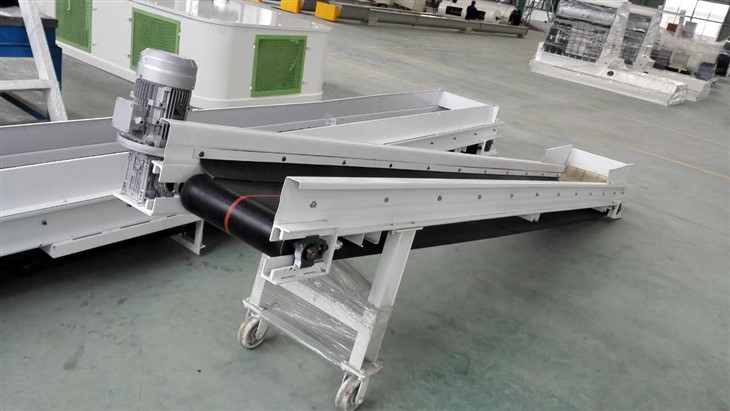
Maintaining a uniform feed rate is crucial to ensure consistent grinding performance. A fluctuating feed rate can lead to uneven grinding, increased wear on the hammers and screen, and reduced throughput. Using a feeder, such as a screw feeder or a belt feeder, can help control the feed rate and ensure a steady supply of material to the mill.
Feed Material Preparation
Pre - processing the feed material can also improve the hammer mill's performance. For example, removing large chunks or foreign objects from the material before feeding it into the mill can prevent damage to the hammers and screen. Additionally, pre - crushing the material to a certain size can reduce the load on the hammer mill and improve the grinding efficiency.
Enhancing the Mill's Durability
A durable hammer mill can reduce maintenance costs and downtime.
Structural Design
The overall structural design of the hammer mill should be robust to withstand the forces generated during operation. Using high - quality steel frames and reinforced components can improve the mill's stability and durability. Additionally, proper alignment of the components, such as the rotor and the bearings, is essential to prevent premature wear and failure.
Lubrication and Maintenance
Regular lubrication of the moving parts, such as the bearings and the rotor shaft, is crucial for the mill's long - term performance. Following a strict maintenance schedule, including inspection, cleaning, and replacement of worn parts, can extend the mill's lifespan and ensure reliable operation.
Applications and Related Products
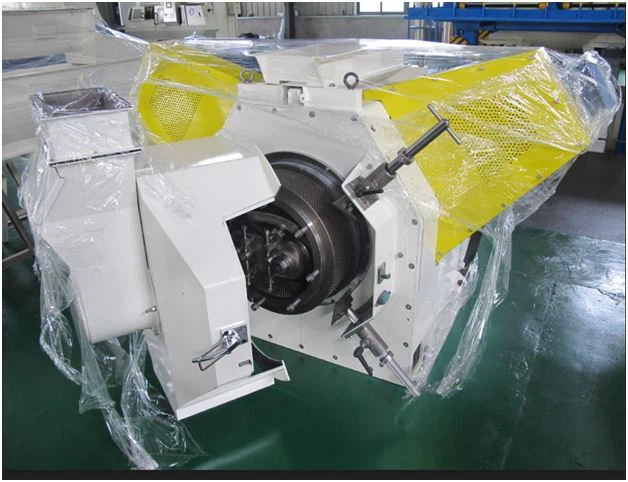
Hammer mills are used in a wide range of applications. For example, in the agricultural industry, they are used for grinding grains and producing animal feed. If you are interested in cattle feed production, our Cattle Pellet Machine can work in conjunction with the hammer mill to produce high - quality cattle pellets. In the alfalfa processing industry, our Alfalfa Pellet Mill can be used after the hammer mill to convert the ground alfalfa into pellets.
Conclusion
Optimizing the design of a hammer mill is a complex process that involves considering multiple factors, including hammer design, screen design, rotor speed, feed system, and durability. By implementing the strategies mentioned above, we can enhance the mill's performance, efficiency, and lifespan. If you are interested in purchasing a high - performance hammer mill or have any questions about optimizing the design of your existing mill, please feel free to contact us for further discussion and procurement negotiation.
References
- Perry, R. H., & Green, D. W. (Eds.). (2008). Perry's Chemical Engineers' Handbook. McGraw - Hill.
- Svarovsky, L. (1990). Solid - Liquid Separation. Butterworth - Heinemann.