

Hey there! As a supplier of Impeller Feeders, I often get asked about the differences between horizontal and vertical impeller feeders. So, I thought I'd take a few minutes to break it down for you.
First off, let's talk about what an impeller feeder is. Simply put, it's a device used to control the flow of bulk materials, like powders or granules, from a hopper or silo into a process or another piece of equipment. They're super important in industries like food processing, pharmaceuticals, and chemical manufacturing, where precise feeding is crucial.
Horizontal Impeller Feeders
Horizontal impeller feeders, as the name suggests, have their impellers arranged horizontally. Picture a cylinder with the impeller spinning inside, parallel to the ground. These feeders are great for handling free - flowing materials.
One of the big advantages of horizontal impeller feeders is their simplicity. They're relatively easy to install and maintain. Since the impeller rotates horizontally, there's less chance of material buildup in the feeder housing. This is because gravity helps the material flow out of the feeder more smoothly.
Another plus is that horizontal impellers can often handle larger volumes of material. The design allows for a wider opening at the inlet and outlet, which means you can move more product through the feeder in a given amount of time. This makes them ideal for high - throughput applications.
However, horizontal impeller feeders do have some limitations. They're not the best choice for materials that are sticky or have poor flow characteristics. The horizontal orientation can cause these types of materials to clog the impeller or stick to the feeder walls. Also, if you need very precise feeding, horizontal impellers might not be as accurate as vertical ones. The larger opening can make it a bit harder to control the flow rate with extreme precision.
Vertical Impeller Feeders
Now, let's switch gears and talk about vertical impeller feeders. In these feeders, the impeller rotates vertically, like a spinning top. This design is particularly well - suited for materials that are difficult to handle.
One of the main benefits of vertical impeller feeders is their ability to handle sticky or cohesive materials. The vertical orientation of the impeller helps to break up any clumps and keep the material moving. Gravity works in a different way here; it helps to push the material down onto the impeller, which then distributes it evenly.
Vertical impellers are also known for their high - precision feeding. The design allows for better control of the flow rate, even for small amounts of material. This makes them a popular choice in industries where accuracy is key, such as the pharmaceutical industry, where precise dosing is essential.
But, like horizontal impellers, vertical ones have their drawbacks. They can be more complex to install and maintain. The vertical design means that there's a higher risk of material getting trapped in the upper part of the feeder housing. Also, they generally have a lower throughput compared to horizontal impellers. So, if you need to move a large volume of material quickly, a vertical impeller feeder might not be the best option.
Comparing the Two
When it comes to choosing between a horizontal and a vertical impeller feeder, there are a few factors you need to consider.
Material Characteristics: As I mentioned earlier, if you're dealing with free - flowing materials, a horizontal impeller feeder is probably your best bet. But if your material is sticky, cohesive, or has poor flow properties, a vertical impeller feeder will likely work better.
Throughput Requirements: If you need to move a large amount of material in a short period, a horizontal impeller feeder is the way to go. However, if you only need to feed small amounts of material at a time, a vertical impeller feeder can provide the precision you need.
Precision Needs: For applications where precise feeding is critical, such as in the production of pharmaceuticals or high - value chemicals, a vertical impeller feeder is the more suitable choice.
Our Products and Related Equipment
As a supplier, we offer a range of impeller feeders to meet different needs. Whether you need a horizontal or a vertical impeller feeder, we've got you covered.
In addition to our impeller feeders, we also have other related equipment. For example, if you're in the animal feed industry, you might be interested in our Animal Feed Impeller Feeder. It's designed specifically to handle the unique requirements of animal feed production.
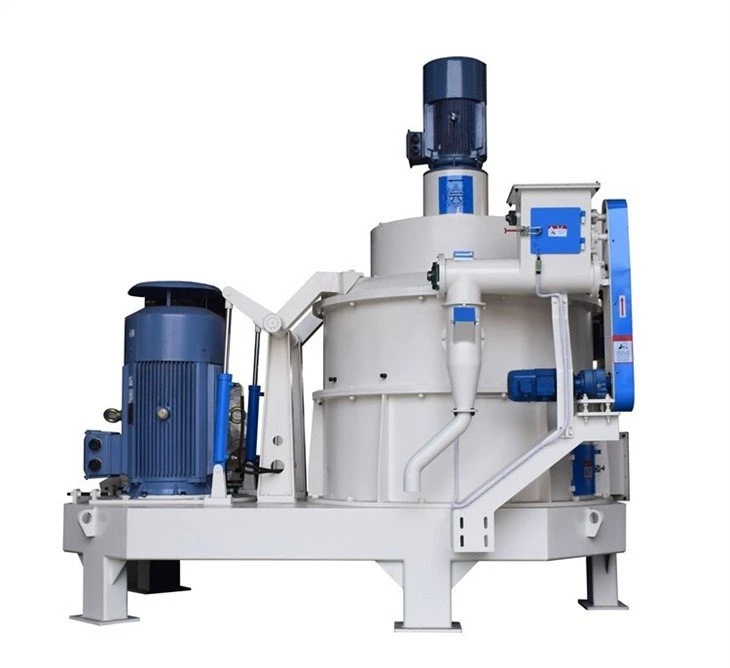
We also have SWFL Series Ultra - fine Pulverizer and Ultra - fine Pulverizer which can be used in conjunction with our impeller feeders. These pulverizers are great for grinding materials to a fine powder, which can then be fed into the process using our impeller feeders.
Conclusion
In conclusion, both horizontal and vertical impeller feeders have their own unique advantages and disadvantages. The choice between the two depends on the specific requirements of your application, such as the type of material you're handling, the throughput you need, and the level of precision required.
If you're still not sure which type of impeller feeder is right for you, don't hesitate to reach out. We're here to help you make the best decision for your business. Whether you're just starting a new project or looking to upgrade your existing equipment, we can provide the expertise and products you need.

If you're interested in learning more about our impeller feeders or any of our other products, feel free to contact us. We're always happy to have a chat about your needs and see how we can help you improve your process. Let's work together to find the perfect solution for your material feeding requirements!
References
- "Bulk Solids Handling and Processing Handbook", by Perry's Chemical Engineers' Handbook
- Industry research reports on material handling equipment