

As a reputable supplier of feed mill mixers, I often encounter inquiries from customers regarding the suitability of our mixers for handling feed with a high fat content. This is a crucial question, as high - fat feeds present unique challenges in the mixing process. In this blog, I will delve into the technical aspects, potential issues, and solutions related to using a feed mill mixer for high - fat feed.
The Importance of Mixing High - Fat Feed
High - fat feeds are increasingly popular in the animal nutrition industry. Fat is a concentrated source of energy, providing more than twice the energy per unit weight compared to carbohydrates and proteins. It also plays a vital role in improving the palatability of feed, enhancing the absorption of fat - soluble vitamins, and promoting the overall health and growth of animals. However, achieving a homogeneous mixture of high - fat feed is not an easy task.
Challenges in Mixing High - Fat Feed
Adhesion and Clumping
One of the primary challenges when mixing high - fat feed is the tendency of the fat to cause adhesion and clumping. Fat has a sticky nature, which can cause feed ingredients to stick together and form lumps. This can lead to uneven distribution of nutrients in the final feed product, reducing its quality and nutritional value. For example, if the fat is not evenly dispersed, some animals may receive an excessive amount of fat, while others may not get enough.
Lubrication and Flowability
High - fat content can also affect the flowability of the feed. Fat acts as a lubricant, which can reduce the friction between feed particles. While this may seem beneficial at first, it can actually cause problems during the mixing process. The reduced friction can make it difficult for the mixer to effectively move and blend the feed ingredients, resulting in poor mixing efficiency.
Oxidation and Rancidity
Another concern with high - fat feed is the potential for oxidation and rancidity. Fat is susceptible to oxidation when exposed to air, light, and heat. Oxidized fat not only loses its nutritional value but also produces unpleasant odors and flavors, which can reduce the palatability of the feed and even have negative health effects on animals. A proper mixing process is essential to minimize the exposure of fat to these factors and extend the shelf - life of the feed.
Can Our Feed Mill Mixers Handle High - Fat Feed?
At our company, we understand the challenges associated with mixing high - fat feed, and we have designed our feed mill mixers to address these issues.

Design Features
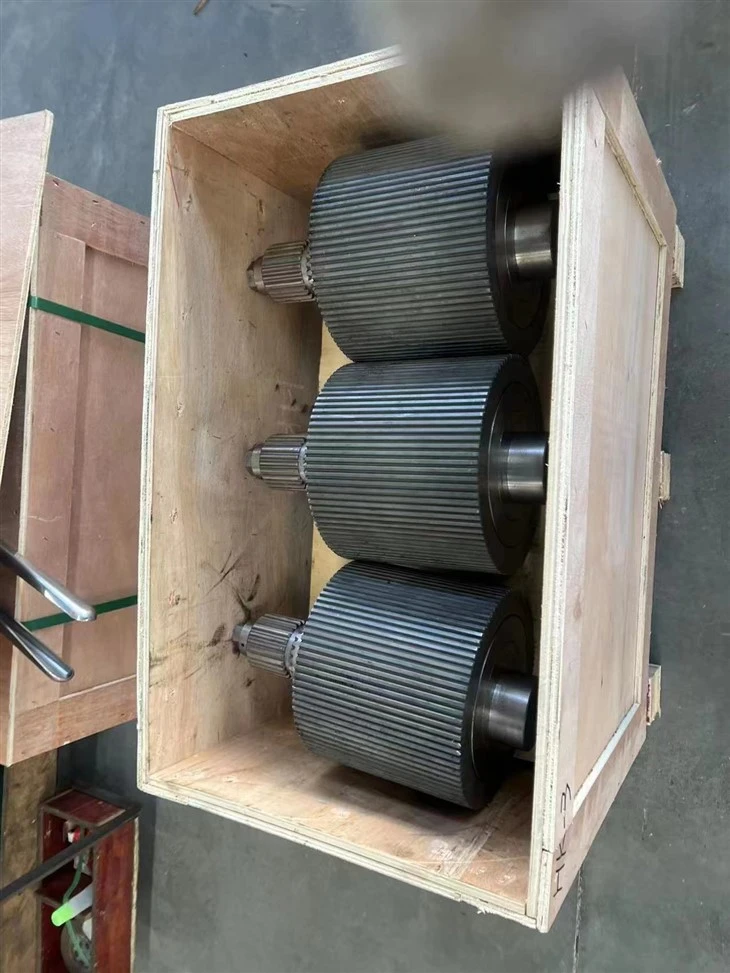
Our SLHY Horizontal Mixer is equipped with specially designed mixing paddles. These paddles are shaped and arranged in a way that ensures thorough agitation of the feed ingredients, even those with a high fat content. The unique design allows for a high - intensity mixing action, which helps to break up clumps and ensure even distribution of the fat throughout the feed.
The Feed Mill Paddle Mixer also has adjustable mixing speeds. This feature allows operators to optimize the mixing process according to the specific fat content and characteristics of the feed. For high - fat feed, a slower initial mixing speed can be used to prevent excessive splashing and adhesion, followed by a higher speed to achieve a more homogeneous mixture.
Material Selection
We use high - quality materials in the construction of our mixers to prevent corrosion and contamination. The interior surfaces of our mixers are made of stainless steel, which is resistant to the corrosive effects of fat and other feed ingredients. This not only ensures the durability of the mixer but also helps to maintain the quality of the feed.
Anti - Oxidation Measures
To address the issue of oxidation and rancidity, our mixers are designed to minimize the exposure of feed to air. They are equipped with sealed covers and efficient ventilation systems, which can reduce the amount of oxygen in the mixing chamber. Additionally, we can provide optional nitrogen - filling systems for customers who require extra protection against oxidation.
Case Studies
We have had many customers who have successfully used our mixers to produce high - fat feed. For example, a large - scale poultry farm was facing problems with uneven fat distribution in their feed using a conventional mixer. After switching to our SLHY Horizontal Mixer, they noticed a significant improvement in the quality of their feed. The fat was evenly distributed, and the feed had a more consistent texture and nutritional value. As a result, the health and growth performance of their poultry improved, and they were able to reduce feed waste.
Tips for Mixing High - Fat Feed
Pre - Treatment of Ingredients
Before adding the fat to the mixer, it is recommended to pre - treat the other feed ingredients. This can include grinding or crushing the ingredients to a consistent particle size, which will make it easier for the fat to be evenly distributed. Additionally, some ingredients can be pre - mixed with a small amount of fat to form a paste, which can then be added to the main batch of feed for more efficient mixing.
Gradual Addition of Fat
To prevent excessive adhesion and clumping, it is advisable to add the fat gradually during the mixing process. This allows the mixer to better incorporate the fat into the feed ingredients and ensures a more even distribution.
Monitoring and Quality Control
Regular monitoring of the mixing process is essential when producing high - fat feed. This can include taking samples of the feed at different stages of the mixing process and analyzing them for fat content and distribution. By closely monitoring the quality of the feed, any issues can be detected early and corrective actions can be taken.
Conclusion
In conclusion, a feed mill mixer can be used for mixing feed with a high fat content, but it requires a mixer that is specifically designed to address the unique challenges associated with high - fat feed. Our company offers a range of high - quality mixers, such as the SLHY Horizontal Mixer and Feed Mill Paddle Mixer, which are capable of producing high - quality, homogeneous high - fat feed.
If you are interested in learning more about our feed mill mixers or have any questions regarding the mixing of high - fat feed, we encourage you to contact us. Our team of experts is ready to assist you in finding the best solution for your specific needs. Whether you are a small - scale farm or a large - scale feed production facility, we can provide you with the right equipment and support to ensure the success of your feed production.
References
- NRC (National Research Council). Nutrient Requirements of Poultry. 9th ed. Washington, D.C.: National Academy Press, 1994.
- Scott, M. L., Nesheim, M. C., and Young, R. J. Nutrition of the Chicken. Ithaca, N.Y.: Comstock Publishing Associates, 1982.