

Hey there! As a supplier of Horizontal Mixers, I often get asked about the lifespan of the mixing blades in these machines. It's a crucial question because the efficiency and longevity of your mixer largely depend on how well the blades hold up over time. So, let's dive right into it and explore what affects the lifespan of mixing blades in a horizontal mixer.
First off, what exactly is a horizontal mixer? Well, it's a type of industrial mixer that's commonly used in various industries, like food processing, chemical manufacturing, and of course, the feed industry. The Horizontal Mixer works by rotating a set of blades inside a horizontal chamber to blend different materials together. These blades are the heart of the mixer, and their lifespan can vary quite a bit based on several factors.
One of the biggest factors that affect the lifespan of mixing blades is the type of material they're made of. Blades can be made from a variety of materials, including stainless steel, carbon steel, and even some specialized alloys. Stainless steel blades are popular because they're resistant to corrosion and can handle a wide range of materials. Carbon steel blades, on the other hand, are more affordable but may not last as long, especially if they're exposed to corrosive substances. Specialized alloys are often used in high - stress applications where extreme durability is required.
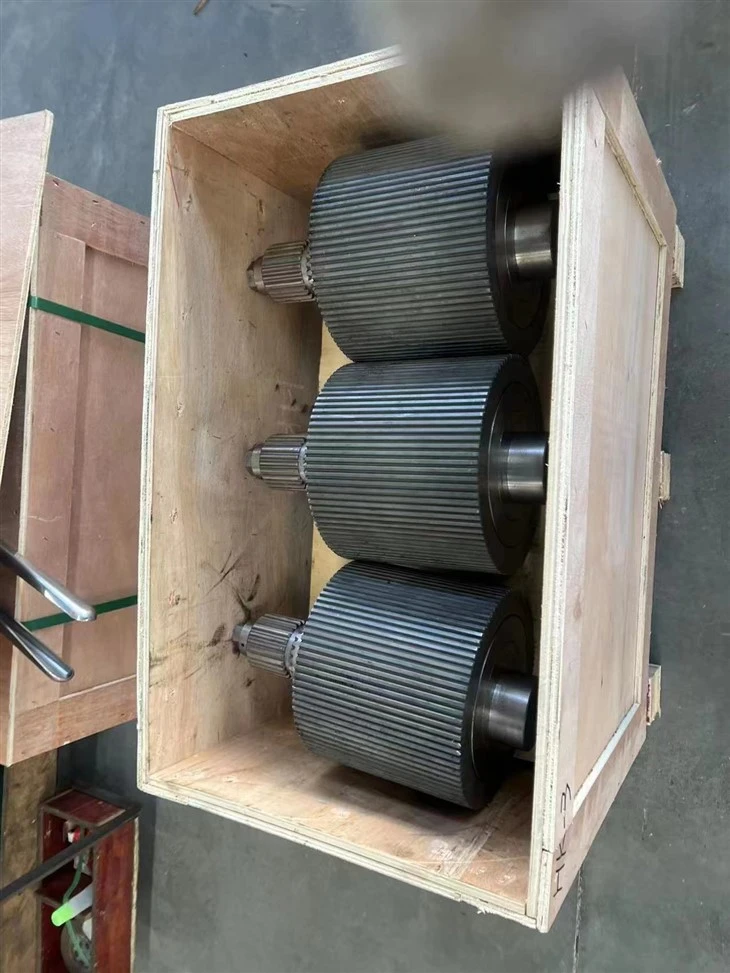
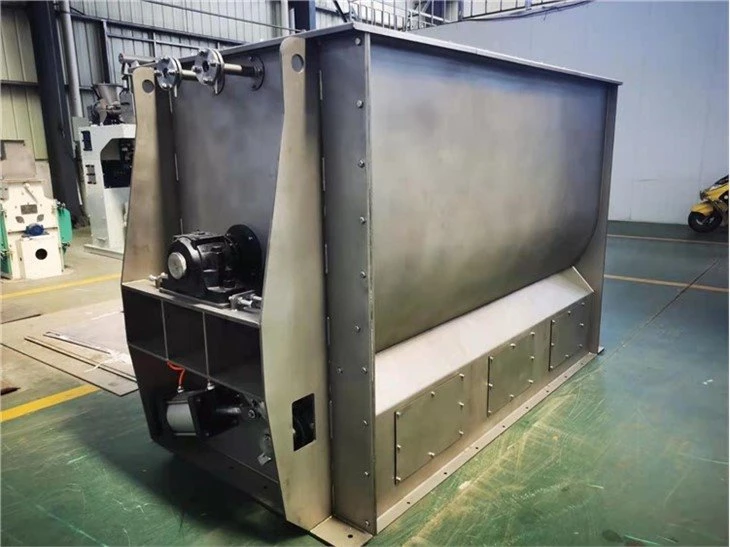
The quality of the manufacturing process also plays a huge role. A well - made blade will have proper heat treatment, which can increase its hardness and wear resistance. If the blades are poorly manufactured, they may start to wear out quickly, even under normal operating conditions. At our company, we take pride in using high - quality materials and state - of - the - art manufacturing techniques to ensure that our SLHY Horizontal Mixer blades last as long as possible.
Another important factor is the type of materials being mixed. If you're mixing abrasive materials, like sand or gravel, the blades will experience more wear and tear compared to mixing softer materials, such as flour or sugar. The size and shape of the particles in the material also matter. Larger, irregularly shaped particles can cause more damage to the blades than smaller, smoother ones.
The operating conditions of the mixer are also key. How often the mixer is used, the speed at which it operates, and the load it carries all impact the blade lifespan. Running the mixer at high speeds for long periods can put a lot of stress on the blades, causing them to wear out faster. Similarly, overloading the mixer can also lead to premature blade failure. It's important to follow the manufacturer's guidelines for operating the mixer to ensure optimal blade performance.
Maintenance is another aspect that can't be overlooked. Regular cleaning of the mixer and blades can prevent the buildup of material, which can cause corrosion and wear. Inspecting the blades for signs of damage, such as cracks or excessive wear, and replacing them when necessary is also crucial. Lubricating the moving parts of the mixer can also reduce friction and extend the life of the blades.
So, what's the typical lifespan of mixing blades in a horizontal mixer? Well, it's hard to give a one - size - fits - all answer. In general, with proper maintenance and under normal operating conditions, stainless steel blades can last anywhere from 6 months to 2 years. Carbon steel blades may last around 3 to 12 months. However, if the mixer is used in harsh conditions or with abrasive materials, the lifespan could be significantly shorter.
If you're in the market for a new horizontal mixer or need replacement blades, it's important to consider all these factors. At our company, we offer a wide range of horizontal mixers, including the SLHY Horizontal Mixer, which is designed for high - performance and long - lasting operation. We also work closely with Pellet Die Manufacturer to ensure that our products are of the highest quality.
We understand that every customer's needs are different, and we're here to help you find the right solution for your business. Whether you're a small - scale operation or a large industrial facility, we have the expertise and products to meet your requirements. If you're interested in learning more about our horizontal mixers or have any questions about blade lifespan, don't hesitate to reach out. We're always happy to have a chat and help you make the best decision for your business.
In conclusion, the lifespan of mixing blades in a horizontal mixer is influenced by many factors, including material type, manufacturing quality, the materials being mixed, operating conditions, and maintenance. By understanding these factors and taking proper care of your mixer, you can ensure that your blades last as long as possible, saving you time and money in the long run. So, if you're looking for a reliable horizontal mixer and want to maximize the lifespan of your mixing blades, give us a shout. We're here to support you every step of the way.
References
- General knowledge in the field of industrial mixers and manufacturing processes.
- Industry reports on the performance and durability of mixing blades in horizontal mixers.