

As a supplier of Rotary Distributors, I often get asked about the current rating of these machines. So, let's dive into what this means and why it's important.
Understanding the Basics of a Rotary Distributor
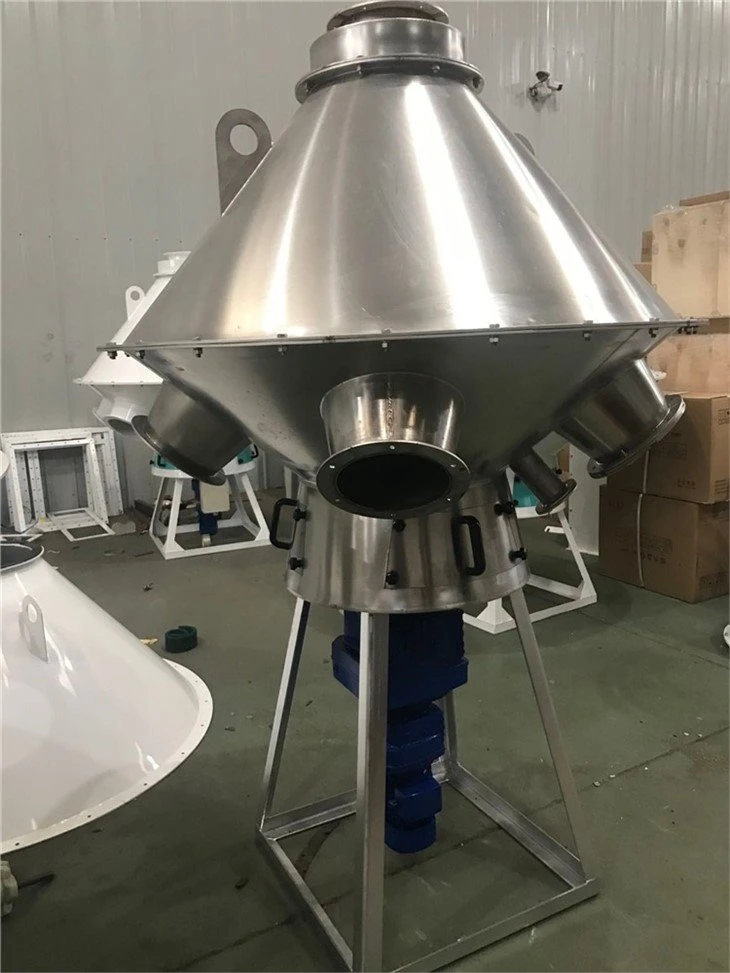
First off, a rotary distributor is a crucial piece of equipment in many industries. It's used to distribute various materials, like powders, granules, or even liquids, to different locations or containers. In a feed machine, for example, it can evenly distribute feed to multiple troughs. There are different types of rotary distributors, such as the TFPX Series Rotary Distributor, Rotary Distributor for Feed Machine, and Powder Rotary Distributor.
What is Current Rating?
The current rating of a rotary distributor refers to the maximum amount of electrical current that the motor or other electrical components of the distributor can handle safely. It's usually measured in amperes (A). Think of it like the speed limit on a road. If you go over the speed limit, you're more likely to have problems. Similarly, if you exceed the current rating of a rotary distributor, it can lead to overheating, damage to the electrical components, and even pose a safety hazard.
Why is Current Rating Important?
- Safety: Safety is the number one concern. If the current exceeds the rating, the electrical components can overheat. This can cause insulation to melt, leading to short circuits or even fires. By operating within the current rating, you ensure the safety of your workers and the equipment.
- Equipment Lifespan: Running a rotary distributor above its current rating can significantly reduce its lifespan. The excessive heat can cause wear and tear on the motor and other components, leading to breakdowns and the need for costly repairs or replacements.
- Efficiency: When a rotary distributor operates within its current rating, it can function at its optimal efficiency. This means it can distribute materials accurately and consistently, which is crucial for maintaining the quality of your products.
Factors Affecting Current Rating
- Motor Size and Type: The size and type of the motor in the rotary distributor play a big role in determining the current rating. Larger motors generally require more current to operate, so they will have a higher current rating. Different types of motors, such as AC or DC motors, also have different current requirements.
- Load: The amount of material being distributed by the rotary distributor, known as the load, affects the current draw. If you're trying to distribute a large volume of material, the motor will have to work harder, which means it will draw more current.
- Operating Conditions: The environment in which the rotary distributor operates can also impact the current rating. For example, if the temperature is high, the electrical components may not dissipate heat as effectively, which can lead to overheating. In such cases, you may need to adjust the load or take other measures to ensure the current stays within the rating.
How to Determine the Current Rating
- Manufacturer's Specifications: The easiest way to find out the current rating of a rotary distributor is to check the manufacturer's specifications. These will usually be listed in the product manual or on the nameplate of the distributor.
- Testing: In some cases, you may need to conduct tests to determine the actual current draw of the distributor under different operating conditions. This can help you ensure that the distributor is operating within its safe limits.
Maintaining the Right Current Rating
- Proper Sizing: When choosing a rotary distributor, make sure to select one with a current rating that is appropriate for your needs. Consider the load, operating conditions, and any future expansion plans.
- Regular Maintenance: Regular maintenance is essential for keeping the rotary distributor in good working condition. This includes checking the electrical connections, cleaning the components, and lubricating the moving parts.
- Monitoring: Keep an eye on the current draw of the distributor using a ammeter or other monitoring devices. If you notice any significant changes in the current, it could be a sign of a problem.
Conclusion
The current rating of a rotary distributor is a critical factor that affects its safety, lifespan, and efficiency. As a supplier, I always recommend that my customers understand the current rating of their equipment and take the necessary steps to ensure it operates within the safe limits. Whether you're looking for a TFPX Series Rotary Distributor, Rotary Distributor for Feed Machine, or Powder Rotary Distributor, make sure to choose the right one for your needs and take good care of it.
If you're interested in purchasing a rotary distributor or have any questions about current ratings or other aspects of these machines, feel free to reach out. We're here to help you make the best decision for your business.

References
- General knowledge of electrical engineering principles related to motors and current ratings.
- Experience in the rotary distributor industry as a supplier.