

In the dynamic landscape of modern industrial production, the seamless integration of equipment within a production line is crucial for achieving optimal efficiency, productivity, and product quality. As a trusted impeller feeder supplier, I often encounter inquiries from clients about the feasibility of integrating our impeller feeders with other equipment in their production lines. In this blog post, I will delve into this topic, exploring the possibilities, benefits, and considerations of integrating an impeller feeder with other equipment.
Understanding the Impeller Feeder
Before we discuss integration, let's briefly understand what an impeller feeder is. An impeller feeder is a device used to control the flow of bulk materials, such as powders, granules, or pellets, from a hopper or storage bin to a downstream process. It consists of a rotating impeller inside a housing, which meters the material at a controlled rate. Impeller feeders are known for their accuracy, reliability, and ability to handle a wide range of materials.
Our company offers a variety of impeller feeders, including the Animal Feed Impeller Feeder, which is specifically designed for the animal feed industry. These feeders are engineered to provide precise and consistent feeding, ensuring the quality and uniformity of animal feed products.
Possibilities of Integration
The impeller feeder is a versatile piece of equipment that can be integrated with various types of machinery in a production line. Here are some common examples:
1. Crushers and Grinders
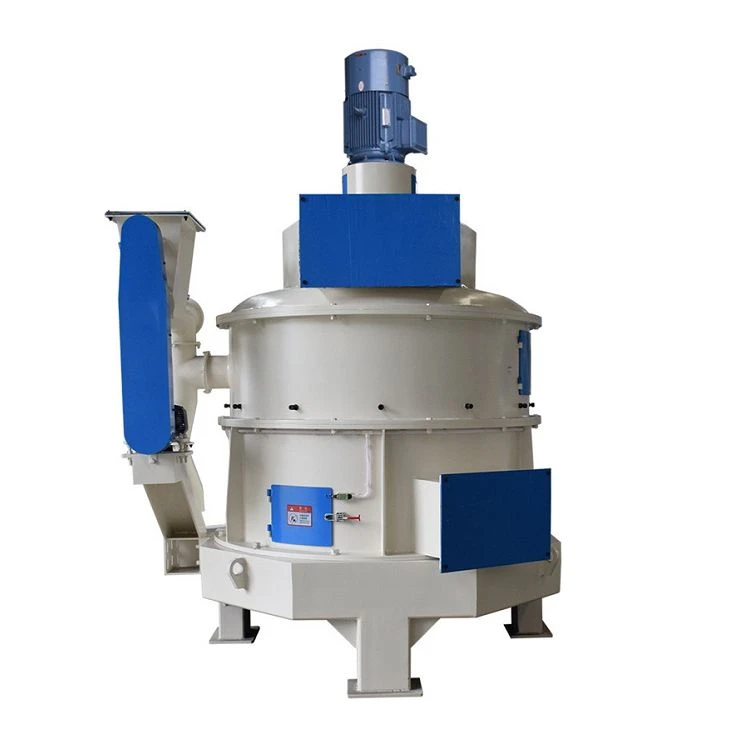
Impeller feeders can be integrated with crushers and grinders to control the flow of raw materials into these machines. By providing a consistent and regulated feed rate, the impeller feeder helps to optimize the performance of the crushers and grinders, reducing wear and tear on the equipment and improving the quality of the final product. For instance, when integrated with a SWFL Series Ultra-fine Pulverizer or an Ultra-fine Pulverizer, the impeller feeder ensures that the pulverizer receives a steady supply of material, resulting in more efficient grinding and a finer particle size distribution.
2. Mixers and Blenders
In mixing and blending processes, impeller feeders can be used to introduce multiple ingredients into the mixer at the correct proportions. This helps to achieve a homogeneous mixture and ensures the consistency of the final product. The impeller feeder's precise metering capabilities allow for accurate control of the ingredient ratios, which is essential in industries such as food processing, pharmaceuticals, and chemicals.
3. Conveyors
Integrating an impeller feeder with a conveyor system enables the seamless transfer of materials from one stage of the production line to another. The impeller feeder can be used to load materials onto the conveyor at a controlled rate, preventing overloading and ensuring a smooth flow of materials. This integration is particularly useful in large-scale production facilities where materials need to be transported over long distances.
4. Packaging Machines
Impeller feeders can be connected to packaging machines to dispense the correct amount of product into each package. This is especially important in industries where product quantity and accuracy are critical, such as the packaging of powdered products or small granules. The impeller feeder's ability to provide precise metering ensures that each package contains the correct amount of product, reducing waste and improving customer satisfaction.
Benefits of Integration
The integration of an impeller feeder with other equipment in a production line offers several significant benefits:
1. Improved Efficiency
By providing a consistent and regulated feed rate, the impeller feeder helps to optimize the performance of the downstream equipment. This reduces downtime, increases throughput, and improves overall production efficiency. For example, in a grinding process, a well-integrated impeller feeder can prevent the grinder from being overloaded or underfed, resulting in more efficient grinding and a higher production rate.
2. Enhanced Product Quality
Precise metering of materials is essential for maintaining the quality and consistency of the final product. The impeller feeder's accurate feeding capabilities ensure that the correct amount of each ingredient is added to the process, resulting in a more uniform and high-quality product. This is particularly important in industries where product quality is a top priority, such as the food and pharmaceutical industries.
3. Reduced Labor Costs
Automating the feeding process through integration reduces the need for manual labor. This not only saves on labor costs but also minimizes the risk of human error, ensuring a more reliable and consistent production process. Workers can be reallocated to other tasks that require more skilled labor, improving overall productivity.
4. Flexibility and Adaptability
Integrating an impeller feeder with other equipment allows for greater flexibility in the production line. The feeder can be easily adjusted to accommodate different materials, feed rates, and production requirements. This makes the production line more adaptable to changes in market demand and product specifications.

Considerations for Integration
While the integration of an impeller feeder with other equipment offers many benefits, there are also some important considerations to keep in mind:
1. Compatibility
Before integrating an impeller feeder with other equipment, it is essential to ensure that the feeder is compatible with the downstream machinery. This includes factors such as the size and shape of the material, the feed rate requirements, and the operating conditions of the equipment. Our technical team can provide expert advice on the compatibility of our impeller feeders with different types of equipment and help you select the most suitable feeder for your production line.
2. Installation and Maintenance
Proper installation and maintenance are crucial for the successful integration of an impeller feeder with other equipment. The feeder should be installed in a location that allows for easy access for maintenance and cleaning. Regular maintenance, including lubrication, inspection of the impeller and housing, and calibration of the feeder, is necessary to ensure its long-term performance and reliability.
3. Control and Monitoring
Integrating an impeller feeder with other equipment often requires a control system to coordinate the operation of the different machines. This may involve the use of sensors, controllers, and software to monitor and adjust the feed rate, material flow, and other parameters. Our company offers advanced control systems that can be customized to meet the specific requirements of your production line, ensuring seamless integration and optimal performance.
Conclusion
In conclusion, an impeller feeder can be effectively integrated with other equipment in a production line, offering numerous benefits such as improved efficiency, enhanced product quality, reduced labor costs, and greater flexibility. As a leading impeller feeder supplier, we have the expertise and experience to help you integrate our feeders with your existing or new production equipment.
If you are interested in learning more about our impeller feeders and how they can be integrated into your production line, please do not hesitate to contact us. Our team of experts is ready to assist you in finding the best solutions for your specific needs. Let's work together to optimize your production process and achieve your business goals.
References
- Perry, R. H., & Green, D. W. (2008). Perry's Chemical Engineers' Handbook. McGraw-Hill Professional.
- Powder Handling and Processing Handbook. (2012). Elsevier.