

Hey there! As a supplier of bucket elevators, I often get asked about the chain tension adjustment method for these nifty machines. So, I thought I'd write a blog post to share some insights on this important topic.
First off, let's understand why chain tension adjustment is crucial for a bucket elevator. A properly tensioned chain ensures smooth operation, reduces wear and tear on the chain and other components, and prevents issues like chain slippage or derailment. If the chain is too loose, it can cause the buckets to bounce around, leading to material spillage and potential damage to the elevator. On the other hand, if the chain is too tight, it can put excessive stress on the drive system and other parts, leading to premature failure.
Now, let's dive into the actual chain tension adjustment method. The process may vary slightly depending on the type and model of the bucket elevator, but the general steps are as follows:
Step 1: Prepare the Elevator
Before you start adjusting the chain tension, make sure the elevator is turned off and locked out to prevent any accidental start - up. Also, clear any debris or material around the chain and sprockets to get a good view of the components.
Step 2: Locate the Tensioning Device
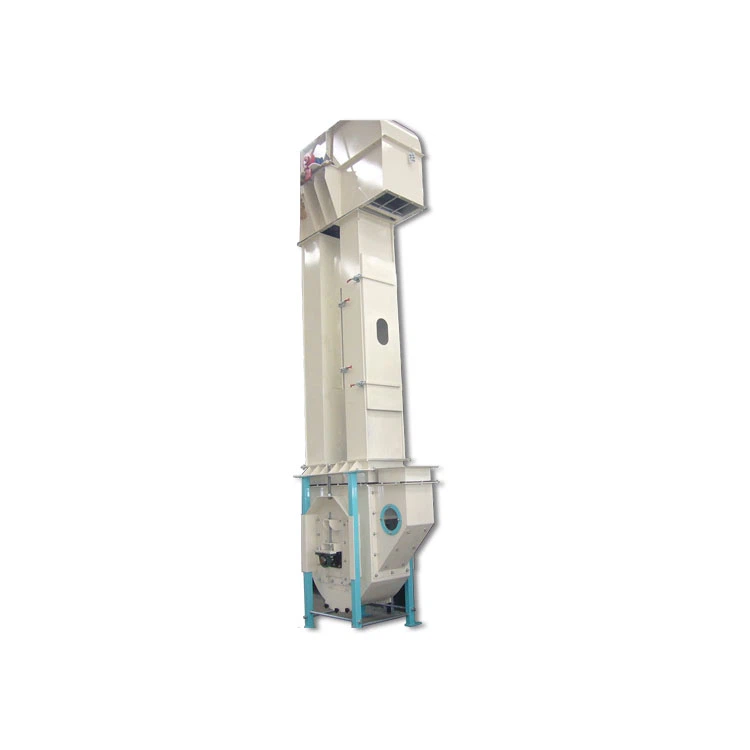
Most bucket elevators are equipped with a tensioning device, which is usually located at the tail section of the elevator. This device can be a screw - type tensioner, a spring - loaded tensioner, or a hydraulic tensioner. Identify the type of tensioning device on your elevator.
Step 3: Check the Initial Tension
Use a tension gauge or a simple visual inspection to check the initial tension of the chain. A visual inspection involves looking at the sag of the chain between the sprockets. There should be a small amount of sag, but not too much. For more accurate measurements, a tension gauge can be used to measure the tension in pounds or newtons.
Step 4: Adjust the Tension
If the chain is too loose, you'll need to increase the tension. For a screw - type tensioner, simply turn the adjustment screw clockwise to move the tail pulley or sprocket away from the head pulley, thereby tightening the chain. For a spring - loaded tensioner, you may need to adjust the pre - load on the spring by turning a nut or bolt. In the case of a hydraulic tensioner, use the hydraulic controls to increase the pressure and tighten the chain.
If the chain is too tight, reverse the process. Turn the adjustment screw counter - clockwise for a screw - type tensioner, reduce the pre - load on the spring for a spring - loaded tensioner, or release some pressure from the hydraulic system for a hydraulic tensioner.

Step 5: Re - check the Tension
After making the adjustment, re - check the chain tension using the same method as before. Make sure the tension is within the recommended range specified by the elevator manufacturer. This range can usually be found in the elevator's operation and maintenance manual.
Step 6: Secure the Tensioning Device
Once you've achieved the correct chain tension, secure the tensioning device to prevent it from moving. This may involve tightening a lock nut on a screw - type tensioner or using a locking mechanism on a spring - loaded or hydraulic tensioner.
Step 7: Test the Elevator
After securing the tensioning device, turn on the elevator and let it run for a few minutes. Observe the operation of the elevator to make sure the chain is running smoothly and there are no signs of slippage or abnormal noise.
It's important to note that chain tension should be checked regularly, especially during the initial break - in period of a new elevator and after long - term operation. Factors such as wear and tear, temperature changes, and material build - up can affect the chain tension over time.
Now, let me tell you a bit about our bucket elevators. We offer a wide range of bucket elevators, including the TDTG Bucket Elevator and the Flour Bucket Elevator. These elevators are designed with high - quality materials and advanced technology to ensure reliable and efficient operation. Our team of experts can also provide you with detailed guidance on chain tension adjustment and other maintenance procedures.
If you're in the market for a new bucket elevator or need help with the maintenance of your existing one, don't hesitate to reach out. We're here to assist you with all your bucket elevator needs. Whether you have questions about chain tension adjustment or want to discuss your specific application requirements, we're just a message or a call away. Let's work together to find the best solution for your material handling needs.
References
- Manufacturer's operation and maintenance manuals for bucket elevators
- Industry standards for chain tension in conveyor systems