

What are the corrosion - resistance requirements for a rotary distributor in a chemical plant?
As a supplier of rotary distributors, I've witnessed firsthand the crucial role these machines play in chemical plants. Rotary distributors are used to evenly distribute various substances, from liquids to powders, across different processes. In a chemical plant environment, however, they face a significant challenge: corrosion. Understanding the corrosion - resistance requirements for these machines is not only essential for their longevity but also for the safety and efficiency of the entire chemical production process.
The Chemical Plant Environment and Corrosion Risks
Chemical plants are filled with a wide range of corrosive substances. Acids, alkalis, salts, and oxidizing agents are commonly present in the production processes. These chemicals can react with the materials of the rotary distributor, leading to corrosion. Corrosion can cause several problems, including reduced equipment performance, increased maintenance costs, and even safety hazards if the distributor fails.
For example, in a plant that produces fertilizers, ammonium nitrate and sulfuric acid are often used. These substances are highly corrosive and can quickly damage unprotected metal surfaces. Similarly, in a petrochemical plant, hydrocarbons, along with sulfur compounds and water, can create a corrosive environment that affects the rotary distributor.
Material Selection for Corrosion Resistance
The choice of materials is the first step in meeting the corrosion - resistance requirements of a rotary distributor. Different materials have different levels of resistance to various corrosive agents.
-
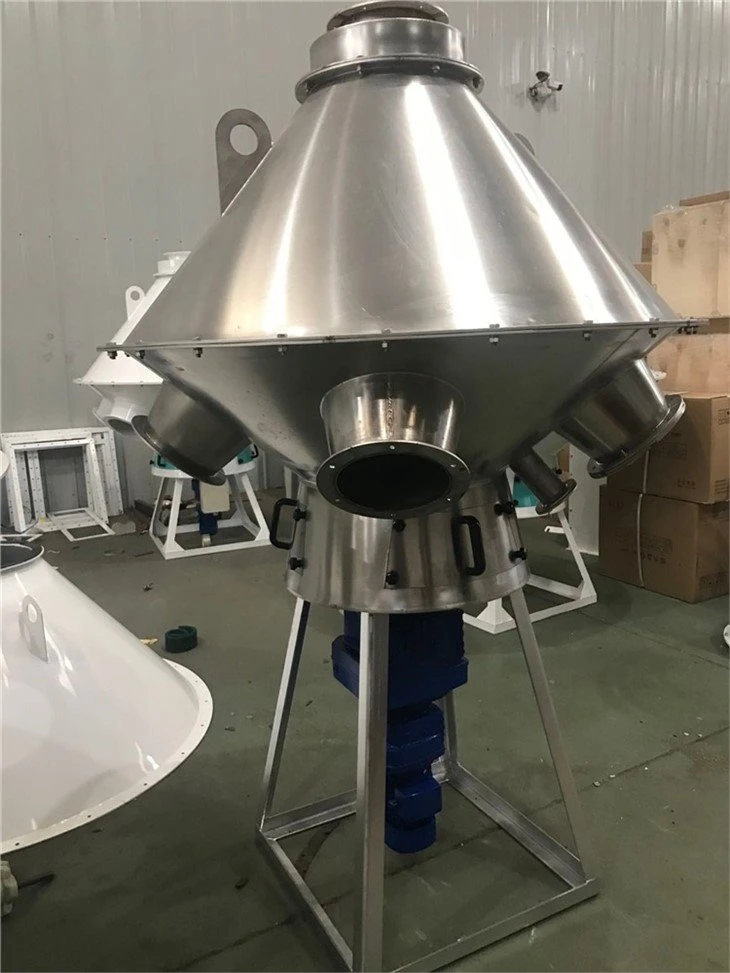
Stainless Steel: Stainless steel is a popular choice for rotary distributors in chemical plants. It contains chromium, which forms a passive oxide layer on the surface, protecting it from corrosion. For general - purpose applications in mildly corrosive environments, such as handling some weak acids or alkalis, 304 stainless steel may be sufficient. However, in more aggressive environments, such as those with high chloride concentrations, 316 or 316L stainless steel is preferred due to its higher molybdenum content, which enhances its resistance to pitting and crevice corrosion.
-
Plastic Materials: Some plastic materials, such as polypropylene (PP), polyethylene (PE), and polyvinyl chloride (PVC), offer excellent corrosion resistance. They are lightweight, easy to fabricate, and can be used in applications where contact with corrosive chemicals is expected. For example, a Powder Rotary Distributor used in a plant handling corrosive powders may be made of a corrosion - resistant plastic to prevent chemical attack.
-
Composite Materials: Composite materials, which combine the properties of different materials, can also be used. For instance, a composite material with a fiberglass - reinforced plastic (FRP) outer layer and a metal core can provide both strength and corrosion resistance. This is useful in applications where mechanical strength is required along with protection against corrosive substances.
Surface Treatments
In addition to material selection, surface treatments can further enhance the corrosion resistance of a rotary distributor.
-
Coatings: Applying a protective coating to the surface of the distributor can act as a barrier between the metal and the corrosive environment. Epoxy coatings, for example, are commonly used to protect metal surfaces from chemical attack. They can be applied in multiple layers to provide a thick and durable protective film. Another option is a ceramic coating, which offers high - temperature resistance and excellent corrosion protection.
-
Passivation: Passivation is a chemical treatment that removes free iron from the surface of stainless steel, enhancing the formation of the passive oxide layer. This treatment can significantly improve the corrosion resistance of stainless - steel rotary distributors, especially in environments where they are exposed to oxidizing agents.
Design Considerations for Corrosion Prevention
The design of the rotary distributor also plays a role in its corrosion resistance.
-
Avoiding Crevices and Stagnant Areas: Crevices and stagnant areas can trap corrosive substances, leading to accelerated corrosion. The design should be smooth and free of sharp corners and recesses where chemicals can accumulate. For example, the joints and connections of the distributor should be designed to prevent the formation of crevices.
-
Drainage and Ventilation: Proper drainage and ventilation are essential to prevent the accumulation of corrosive liquids and gases. The distributor should be designed with adequate drainage holes to allow any liquid to drain away, and ventilation ports to prevent the buildup of corrosive vapors.
Maintenance and Inspection
Regular maintenance and inspection are crucial to ensure that the rotary distributor continues to meet the corrosion - resistance requirements.
-
Visual Inspection: Visual inspections should be carried out regularly to check for signs of corrosion, such as rust, pitting, or discoloration. Any signs of corrosion should be addressed immediately to prevent further damage.
-
Testing and Monitoring: In some cases, non - destructive testing methods, such as ultrasonic testing or magnetic particle testing, can be used to detect internal corrosion or defects. Monitoring the corrosion rate over time can also help in predicting when maintenance or replacement is required.
Meeting Different Industry Standards
Chemical plants often operate under strict industry standards and regulations. The rotary distributor must meet these standards to ensure its safe and reliable operation. For example, in the food and beverage industry, the distributor must be made of materials that are compliant with food - grade regulations, even if it is used in a chemical - like process. In the pharmaceutical industry, the distributor must meet strict hygiene and corrosion - resistance requirements to prevent contamination of the products.
Our Rotary Distributors and Corrosion Resistance
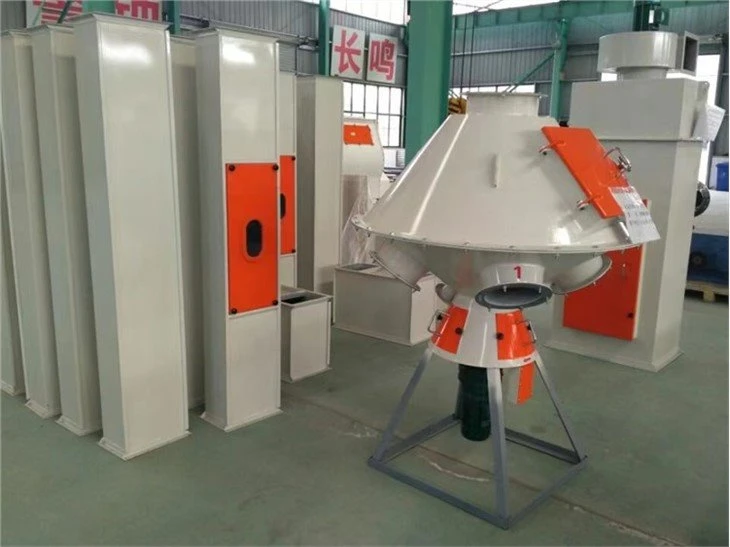
As a supplier, we understand the diverse corrosion - resistance requirements of rotary distributors in chemical plants. We offer a wide range of products, including Rotary Distributor for Feed Machine and Rotary Grain Distributor, which are designed and manufactured with corrosion resistance in mind. Our engineers work closely with customers to understand their specific needs and select the most appropriate materials, surface treatments, and designs for their applications.
If you are in the chemical plant industry and are looking for a reliable rotary distributor with excellent corrosion resistance, we would be more than happy to discuss your requirements. We can provide customized solutions to meet your specific needs and ensure the long - term performance of your equipment. Contact us to start a procurement discussion and find the best rotary distributor for your chemical plant.
References
- Jones, D. A. (1996). Principles and Prevention of Corrosion. Prentice Hall.
- Uhlig, H. H., & Revie, R. W. (1985). Corrosion and Corrosion Control. Wiley - Interscience.
- Fontana, M. G. (1986). Corrosion Engineering. McGraw - Hill.