

As a seasoned supplier of poultry feed mixers, I've encountered numerous inquiries regarding the capacity of a typical poultry feed mixer. This topic is crucial for poultry farmers and feed manufacturers, as the right capacity can significantly impact production efficiency, cost - effectiveness, and overall feed quality.
Understanding Poultry Feed Mixer Capacity
The capacity of a poultry feed mixer is generally measured in terms of the volume or weight of feed it can process in a single batch. This measurement is vital because it dictates how much feed can be produced at one time, which in turn affects the overall output of a feed production facility.
There are two main types of capacity measurements: batch capacity and hourly capacity. Batch capacity refers to the amount of feed that can be mixed in one cycle of operation. For example, a mixer with a batch capacity of 500 kilograms can mix 500 kilograms of feed in a single mixing cycle. Hourly capacity, on the other hand, is the amount of feed that can be produced in an hour, taking into account the time required for loading, mixing, and unloading the feed.
Factors Influencing Poultry Feed Mixer Capacity
1. Mixer Design
The design of the poultry feed mixer plays a significant role in determining its capacity. Different types of mixers, such as Feed Mill Paddle Mixer, have varying mixing mechanisms and geometries that affect how much feed they can handle. Paddle mixers, for instance, are known for their efficient mixing action and can often handle larger volumes of feed compared to some other designs. The shape and size of the mixing chamber also matter. A larger and well - designed chamber can accommodate more feed, while an optimized paddle arrangement can ensure thorough mixing even at higher capacities.
2. Mixing Time
The time required to achieve a homogeneous mixture is another important factor. Longer mixing times may result in a more uniform feed, but they also reduce the number of batches that can be produced in an hour. Therefore, a balance must be struck between mixing quality and capacity. Some modern mixers are equipped with advanced technology that allows for shorter mixing times without sacrificing feed quality, thereby increasing the overall hourly capacity.
3. Feed Ingredients
The nature of the feed ingredients can impact the capacity of the mixer. Ingredients with different particle sizes, densities, and flow properties can affect how they are mixed and how much can be loaded into the mixer. For example, ingredients with high moisture content or those that tend to clump together may require more space and a different mixing approach, potentially reducing the effective capacity of the mixer.
4. Power and Motor Efficiency
The power of the mixer's motor is directly related to its capacity. A more powerful motor can drive the mixing mechanism more effectively, allowing it to handle larger batches of feed. Additionally, a motor with high efficiency can reduce energy consumption while maintaining or increasing the mixer's capacity. When selecting a mixer, it is essential to consider the power requirements based on the desired capacity and the type of feed being mixed.
Typical Capacity Ranges
Small - Scale Poultry Farms
For small - scale poultry farms, mixers with a batch capacity ranging from 50 to 200 kilograms are common. These mixers are relatively compact and affordable, making them suitable for farms with a limited number of birds. They are often used for on - farm feed production, where the demand for feed is not very high. The hourly capacity of these small mixers can range from 100 to 500 kilograms, depending on the mixing time and the efficiency of the operation.
Medium - Scale Poultry Farms and Feed Mills
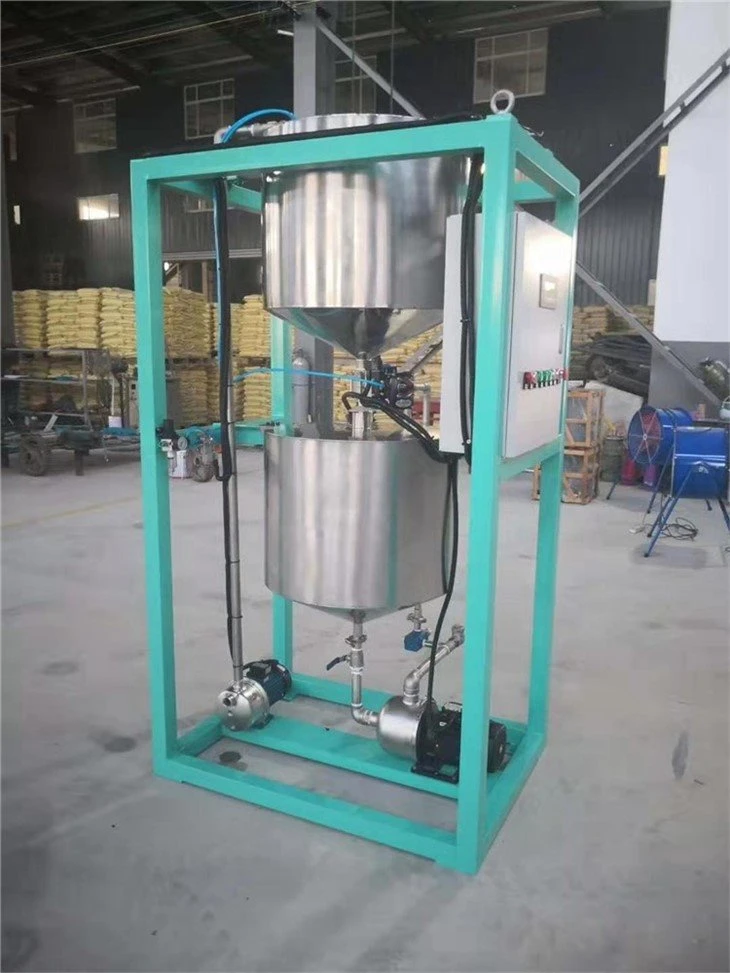
Medium - scale operations typically require mixers with a batch capacity of 200 to 500 kilograms. These mixers are more robust and can handle a higher volume of feed. They are often used in small to medium - sized feed mills or larger poultry farms. With proper operation and efficient mixing times, the hourly capacity of these mixers can range from 500 to 1500 kilograms. Some medium - scale mixers may also be equipped with additional features such as Liquid Adding System Machine, which can enhance the quality of the feed by adding liquid ingredients accurately.
Large - Scale Feed Production Facilities
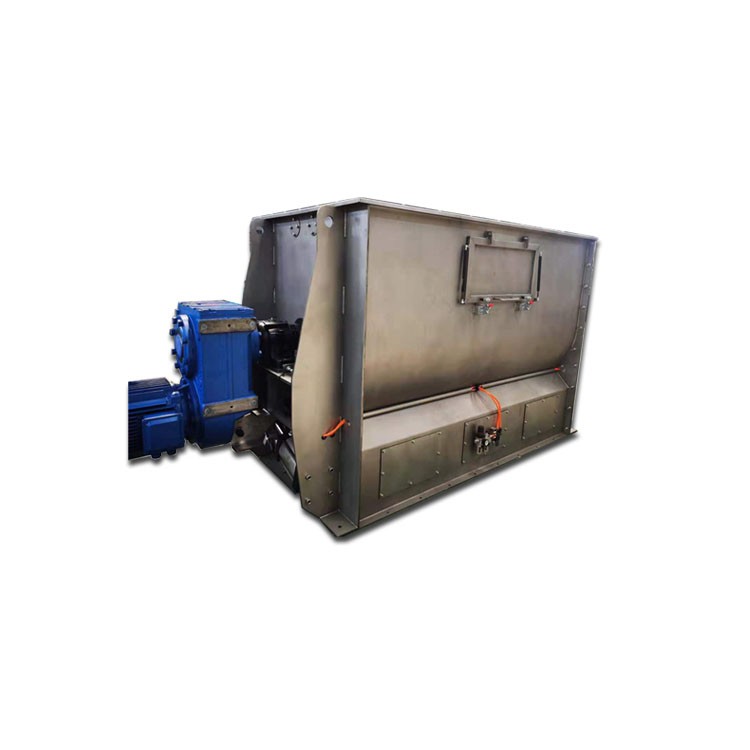
Large - scale feed production facilities demand mixers with a batch capacity of 500 kilograms or more. These high - capacity mixers are designed for continuous and high - volume production. They are often part of a larger feed production line and can have an hourly capacity of several tons. Horizontal Mixer is a popular choice for large - scale operations due to its ability to handle large volumes of feed efficiently and its consistent mixing performance.
Importance of Choosing the Right Capacity
Cost - Effectiveness
Selecting the right capacity mixer can lead to significant cost savings. A mixer that is too small for the operation may require multiple batches to meet the feed demand, increasing labor and energy costs. On the other hand, a mixer that is too large may be underutilized, resulting in unnecessary capital investment and higher operating costs. By choosing a mixer with an appropriate capacity, farmers and feed manufacturers can optimize their production processes and reduce costs.
Feed Quality
The capacity of the mixer can also affect feed quality. Overloading a mixer can lead to incomplete mixing, resulting in an uneven distribution of nutrients in the feed. This can have a negative impact on the health and growth of the poultry. A mixer with the right capacity ensures that the feed is thoroughly mixed, providing a consistent and balanced diet for the birds.
How to Determine the Appropriate Capacity for Your Operation
1. Assess Your Feed Demand
The first step is to determine the amount of feed your poultry operation requires on a daily, weekly, or monthly basis. Consider factors such as the number of birds, their age, and their growth stage. This will give you an idea of the overall feed production volume you need to achieve.
2. Consider Future Expansion
If you plan to expand your poultry operation in the future, it may be wise to choose a mixer with a slightly higher capacity than your current needs. This can save you from having to replace the mixer in the near future and allow for seamless growth of your business.
3. Evaluate Your Budget
Your budget is an important consideration when choosing a mixer. Higher - capacity mixers generally come with a higher price tag, so you need to balance your capacity requirements with your financial resources. It is also important to consider the long - term operating costs, such as energy consumption and maintenance, when making your decision.
As a supplier of poultry feed mixers, I understand the importance of providing the right equipment for your specific needs. Whether you are a small - scale farmer or a large - scale feed manufacturer, we have a range of mixers with different capacities to suit your operation. If you are interested in learning more about our products or need help in selecting the right mixer for your poultry feed production, please feel free to contact us for a detailed consultation and procurement negotiation. We are committed to providing high - quality mixers that can enhance the efficiency and profitability of your poultry business.
References
- "Feed Mixing Technology" - A comprehensive guide on feed mixing principles and equipment.
- Industry reports on poultry feed production and mixer technology trends.
- Manufacturer's specifications and technical documents for various poultry feed mixers.