

Hey there! As a supplier of rotary distributors, I'm super stoked to share with you the different types of these nifty machines. Rotary distributors are essential in various industries, helping to evenly distribute materials, whether it's grains, powders, or other substances. Let's dive right in and explore the types.
Gravity - Fed Rotary Distributors
Gravity - fed rotary distributors are one of the most common types out there. They work on a pretty simple principle. The material is fed into the distributor from above, and gravity does the heavy - lifting. As the distributor rotates, it evenly spreads the material over a designated area.
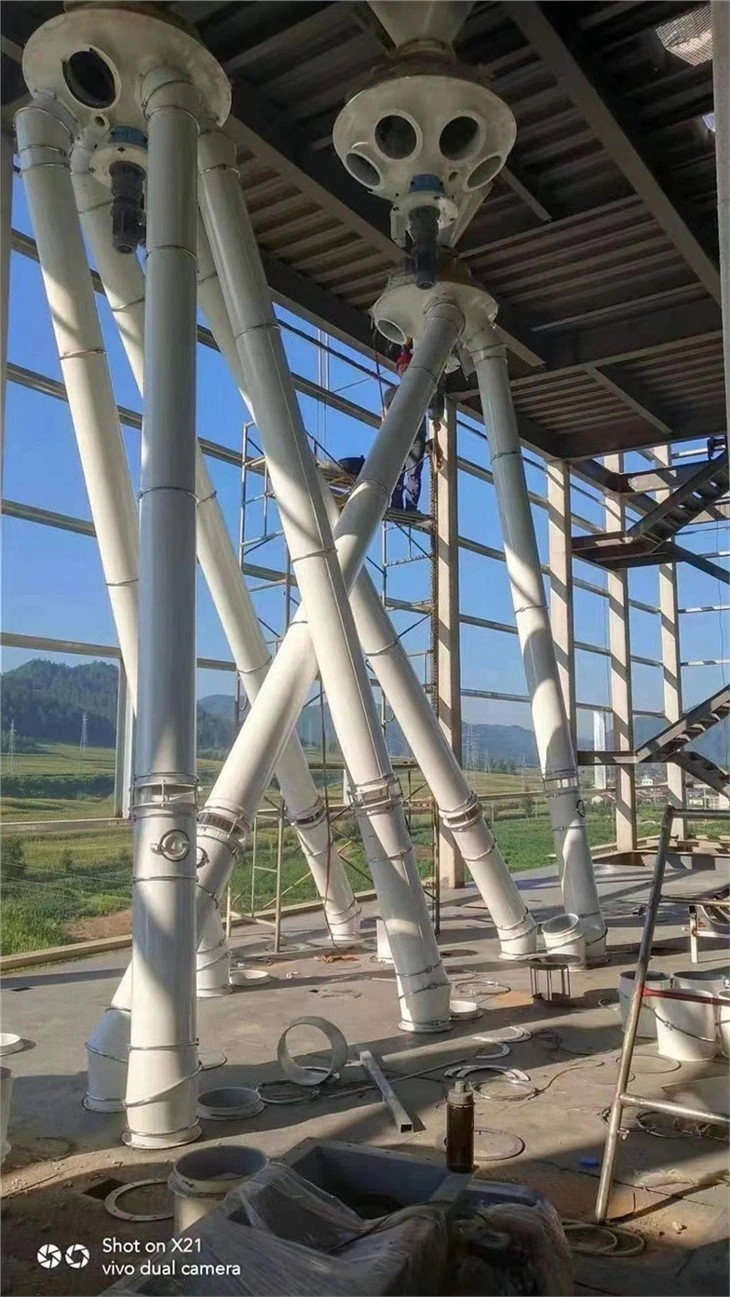
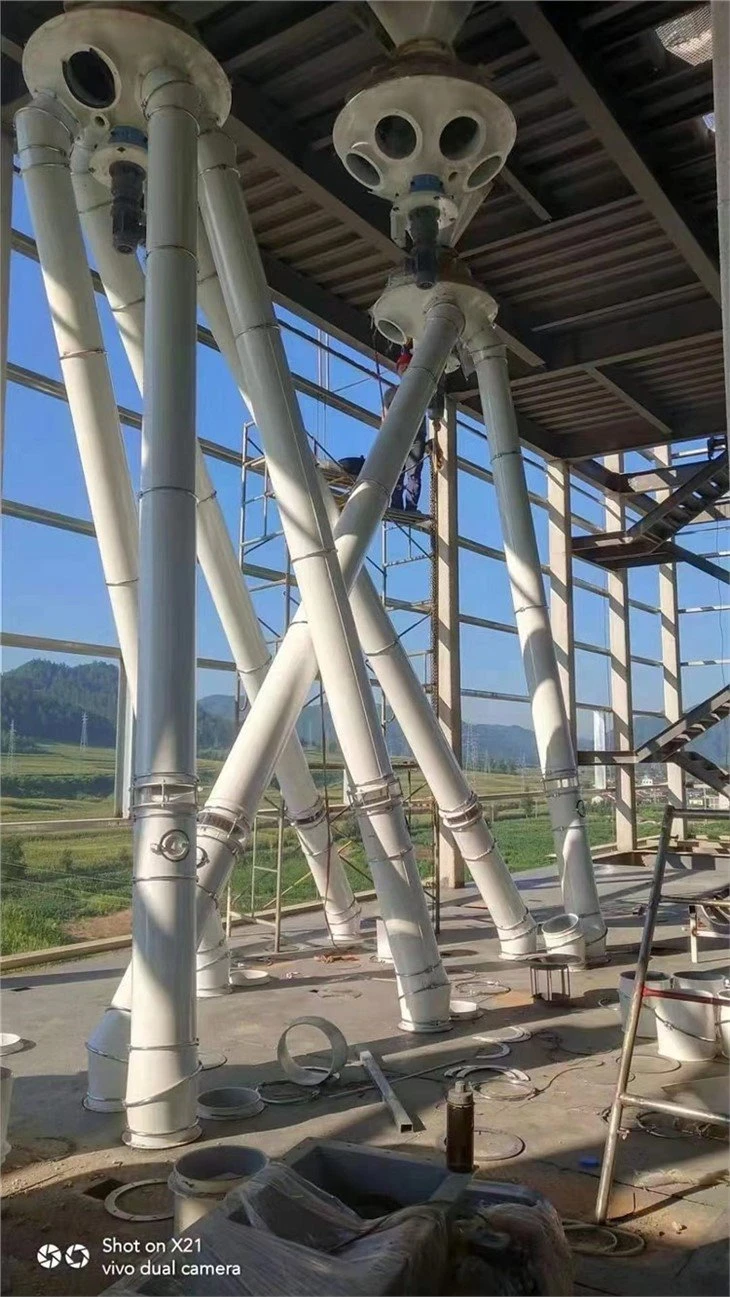
These are great for applications where the material can flow freely under the influence of gravity. For example, in a large - scale grain storage facility, a Rotary Grain Distributor can be used to evenly distribute grains into different silos or storage bins. The rotating mechanism ensures that the grains are spread out uniformly, preventing uneven buildup and potential spoilage.
The advantage of gravity - fed rotary distributors is their simplicity. They don't require a lot of complex machinery or additional power sources other than gravity. This makes them cost - effective and easy to maintain. However, they do have limitations. If the material is too sticky or has a low flowability, it might not distribute evenly, and you could end up with clogs or uneven distribution.
Power - Driven Rotary Distributors
Power - driven rotary distributors are a step up from the gravity - fed ones. These distributors use an external power source, usually an electric motor, to drive the rotation. This allows for more precise control over the speed and distribution pattern of the material.
In industries where accuracy is crucial, like the feed manufacturing industry, a Rotary Distributor for Feed Machine can make a huge difference. The power - driven mechanism can ensure that the feed ingredients are distributed in the right proportions and at the right rate. This is important for producing high - quality feed that meets the nutritional requirements of the animals.
Another benefit of power - driven rotary distributors is their ability to handle a wider range of materials. Whether it's a fine powder or a coarse granular material, the power - driven system can adjust the rotation speed to ensure proper distribution. However, they are more complex and expensive than gravity - fed distributors. They also require regular maintenance of the motor and other components to keep them running smoothly.
TFPX Series Rotary Distributors
Now, let's talk about a specific series that we offer, the TFPX Series Rotary Distributor. This series is designed with the latest technology to provide high - performance distribution.
The TFPX series features a robust construction that can withstand heavy - duty use. It has a unique design that allows for easy cleaning and maintenance. This is especially important in industries where hygiene is a top priority, such as the food and pharmaceutical industries.
The TFPX series also comes with advanced control systems. You can adjust the rotation speed, the distribution pattern, and even the amount of material being distributed. This level of customization makes it suitable for a wide range of applications. Whether you're distributing small amounts of a precious ingredient in a pharmaceutical lab or large volumes of bulk materials in an industrial setting, the TFPX series can get the job done.
Pneumatic Rotary Distributors
Pneumatic rotary distributors use compressed air to assist in the distribution of materials. This type of distributor is ideal for handling materials that are difficult to move using gravity or mechanical means alone.
The compressed air creates a flow that helps to carry the material through the distributor and out to the desired location. In industries where materials need to be transferred over long distances or through complex piping systems, pneumatic rotary distributors are a great choice.
One of the main advantages of pneumatic rotary distributors is their ability to handle materials with different densities and flow characteristics. The air pressure can be adjusted to ensure that the material is distributed evenly, regardless of its properties. However, they do require a reliable source of compressed air, which adds to the operating cost and complexity.
Selecting the Right Rotary Distributor
So, how do you choose the right rotary distributor for your needs? Well, it depends on several factors. First, consider the type of material you'll be distributing. If it's a free - flowing material like grains, a gravity - fed distributor might be sufficient. But if it's a sticky or fine powder, a power - driven or pneumatic distributor could be a better option.
Next, think about the scale of your operation. For small - scale applications, a simple and cost - effective distributor might be all you need. But for large - scale industrial operations, you'll need a high - performance distributor that can handle large volumes of material.
Also, consider the level of precision required. If your application demands accurate distribution, a distributor with advanced control systems, like the TFPX series, is the way to go.
Conclusion
As you can see, there are several types of rotary distributors, each with its own advantages and limitations. Whether you're in the grain storage, feed manufacturing, food, or pharmaceutical industry, there's a rotary distributor out there that can meet your needs.
If you're interested in learning more about our rotary distributors or want to discuss which type is best for your application, don't hesitate to reach out. We're here to help you find the perfect solution for your material distribution needs.
References
- General knowledge of rotary distributor technology and industry applications.
- Product specifications and research on the TFPX Series Rotary Distributor, Rotary Grain Distributor, and Rotary Distributor for Feed Machine.