

Operating a poultry feed mixer in a cold climate comes with its own set of challenges. As a poultry feed mixer supplier, I've seen firsthand how the cold can affect the performance of these machines. In this blog post, I'll share some of the best practices for running a poultry feed mixer when the temperatures drop.
Pre - operation Checks
Before firing up the poultry feed mixer in cold weather, it's crucial to conduct a thorough pre - operation check. Cold temperatures can cause materials to become more brittle, and mechanical parts can be affected.
First, inspect the mixer's structure. Look for any signs of cracks or damage that might have occurred due to the cold. Check the bolts and fasteners to make sure they're tight. Cold can cause metal to contract, and loose bolts can lead to serious problems during operation.
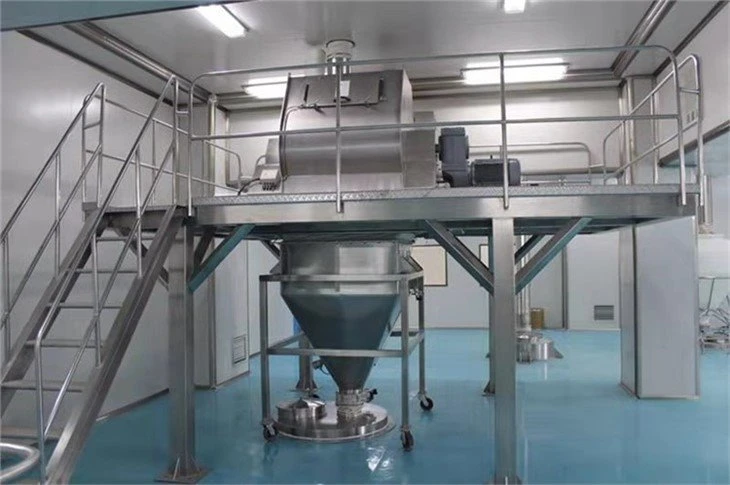
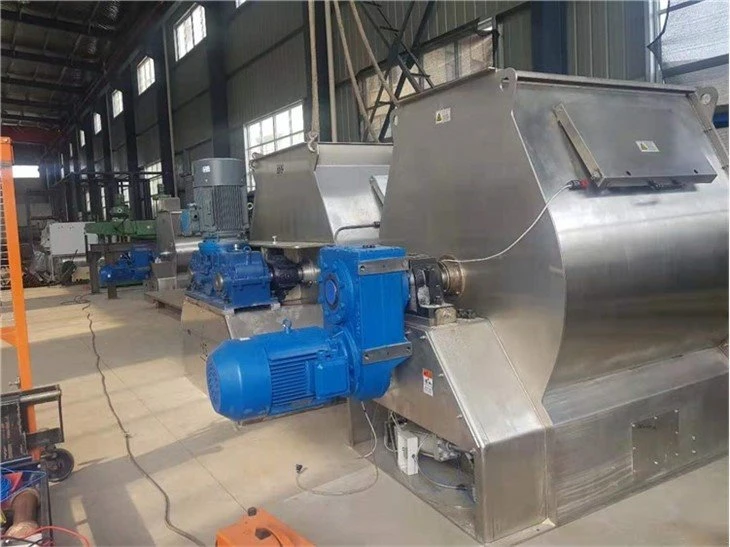
Next, examine the mixing paddles. In our SJHS Paddle Mixer, the paddles play a key role in ensuring uniform mixing. Cold can cause the paddles to become less flexible or even break if they've been weakened. Make sure they're in good condition and properly attached.
The electrical components also need special attention. Cold can reduce the battery life and affect the performance of motors. Check the wiring for any signs of fraying or damage. Ensure that all electrical connections are secure, as loose connections can lead to electrical failures.
Lubrication
Lubrication is essential for the smooth operation of a poultry feed mixer, and it becomes even more critical in cold climates. Cold temperatures can thicken the lubricants, which can reduce their effectiveness and put extra strain on the moving parts.
Use a lubricant that's specifically designed for cold weather. These lubricants have a lower viscosity at low temperatures, which means they can flow more easily and provide better protection. Make sure to lubricate all the moving parts, such as the bearings, gears, and chains, according to the manufacturer's recommendations.
In addition to using the right lubricant, it's also important to check the lubrication levels regularly. Cold can cause the lubricant to contract, and you may need to top it up more frequently than in warmer weather.
Feed Material Considerations
The feed materials themselves can be affected by cold weather. Some ingredients may become more difficult to mix or may clump together in the cold.
If you're using a Horizontal Mixer, you need to pay attention to the flow of the feed materials. Cold can cause the materials to stick to the walls of the mixer, which can reduce the mixing efficiency. To prevent this, you can use an anti - sticking agent or adjust the mixing time and speed.
Some feed materials may also absorb moisture from the air, especially if the humidity is high. This can lead to clumping and uneven mixing. You can use a Water Adding System Equipment to control the moisture content of the feed materials. However, in cold weather, you need to be careful not to add too much water, as it can freeze and cause problems.
Temperature Management
Maintaining the right temperature inside the poultry feed mixer is crucial for optimal performance in cold climates. One way to do this is to pre - heat the feed materials before adding them to the mixer. This can help to reduce the impact of the cold on the mixing process.
You can also insulate the mixer to prevent heat loss. There are various insulation materials available on the market that can be used to wrap the mixer. This can help to keep the internal temperature stable and reduce the energy consumption.
In some cases, you may need to use a heating system to warm up the mixer. However, this should be done carefully to avoid overheating and damaging the mixer or the feed materials.
Operation and Maintenance
During operation, it's important to monitor the performance of the poultry feed mixer closely. Pay attention to any unusual noises or vibrations, as these can be signs of problems. If you notice any issues, stop the mixer immediately and investigate the cause.
Regular maintenance is also essential in cold climates. Clean the mixer after each use to prevent the build - up of feed residues, which can attract pests and cause corrosion. Check the wear and tear of the parts regularly and replace any damaged parts as soon as possible.
Training and Safety
Make sure that all the operators are properly trained to operate the poultry feed mixer in cold weather. They should be aware of the special considerations and best practices for cold - climate operation.
Safety is also a top priority. Provide the operators with appropriate personal protective equipment, such as gloves and safety glasses. Make sure that the mixer is installed in a safe location and that all the safety guards are in place.
Conclusion
Operating a poultry feed mixer in a cold climate requires some extra attention and care. By following these best practices, you can ensure that your mixer operates smoothly and efficiently, even in the coldest of temperatures.
If you're in the market for a high - quality poultry feed mixer or need more information on how to operate your existing mixer in cold weather, don't hesitate to reach out. We're here to help you make the most of your equipment and ensure the success of your poultry farming operation. Contact us for a detailed discussion on how our products can meet your needs and for any purchasing inquiries.
References
- Poultry Feed Mixer Manufacturer's Manuals
- Industry Reports on Cold - Climate Equipment Operation
- Research Papers on Feed Mixing in Challenging Environments