

As a supplier of feed pellet mills, I've witnessed firsthand the pivotal role that the pre - treatment of materials plays in the entire feed pellet production process. In this blog, I'll delve into the importance of material pre - treatment for a feed pellet mill and how it impacts the quality, efficiency, and overall success of feed production.
1. Improving Pellet Quality
The primary goal of using a feed pellet mill is to produce high - quality feed pellets. Material pre - treatment is the first step towards achieving this. One of the key aspects of pre - treatment is particle size reduction. Different feed ingredients come in various sizes and shapes. By grinding these materials to an appropriate particle size, we ensure a more uniform mixture. When the particles are of a consistent size, they can bind together more effectively during the pelleting process. This results in pellets that are denser, more durable, and less likely to crumble.
For example, if large chunks of grains are fed directly into the pellet mill without proper grinding, the resulting pellets may have weak spots or inconsistent density. These low - quality pellets can lead to problems during storage and transportation, such as increased dust generation and breakage. On the other hand, well - pre - treated materials with a suitable particle size distribution produce pellets that have a better appearance, higher nutritional value, and are more appealing to animals.
Another important factor in improving pellet quality is moisture control. The moisture content of the raw materials significantly affects the pelleting process. If the moisture is too low, the materials may not bind well, leading to poor pellet formation. Conversely, excessive moisture can cause the pellets to be soft, sticky, and prone to mold growth. Through pre - treatment, we can adjust the moisture content of the materials to an optimal level. This often involves drying or adding water as needed. The Stainless Steel Hygienizer can be a valuable tool in this process. It not only helps in adjusting the moisture but also sanitizes the materials, reducing the risk of microbial contamination.
2. Enhancing Production Efficiency
Pre - treatment of materials can greatly enhance the production efficiency of a feed pellet mill. When the materials are properly pre - treated, they flow more smoothly through the mill. For instance, if the materials are not sieved to remove foreign objects and oversized particles, these can cause blockages in the feed hopper, augers, or the die of the pellet mill. This can lead to frequent downtime for cleaning and maintenance, which significantly reduces the overall production capacity.
By using equipment such as magnetic separators and sieves during pre - treatment, we can remove tramp metals, stones, and other impurities from the raw materials. This protects the pellet mill from damage and ensures a continuous and stable production process. Moreover, when the materials are of a consistent particle size and moisture content, the pellet mill can operate at a more consistent speed and pressure. This reduces the wear and tear on the machine components, such as the die and the rollers, and extends their service life.
In addition, pre - treatment can also reduce the energy consumption of the pellet mill. When the materials are already in a suitable state for pelleting, the mill doesn't have to work as hard to compress and shape them into pellets. This means lower electricity or fuel consumption, which translates into cost savings for the feed producer.
3. Ensuring Nutritional Integrity
Feed is a crucial factor in the health and growth of animals. Proper pre - treatment of materials helps to preserve the nutritional integrity of the feed. During the grinding and mixing process, the nutrients in the raw materials are more evenly distributed. This ensures that each pellet contains a balanced amount of proteins, carbohydrates, fats, vitamins, and minerals.
Heat treatment is another important part of pre - treatment. It can inactivate anti - nutritional factors present in some feed ingredients, such as trypsin inhibitors in soybeans. By eliminating these factors, the digestibility of the feed is improved, and the animals can better absorb the nutrients. However, it's important to control the heat treatment process carefully to avoid over - heating, which can destroy some of the heat - sensitive nutrients.
4. Meeting Different Production Requirements
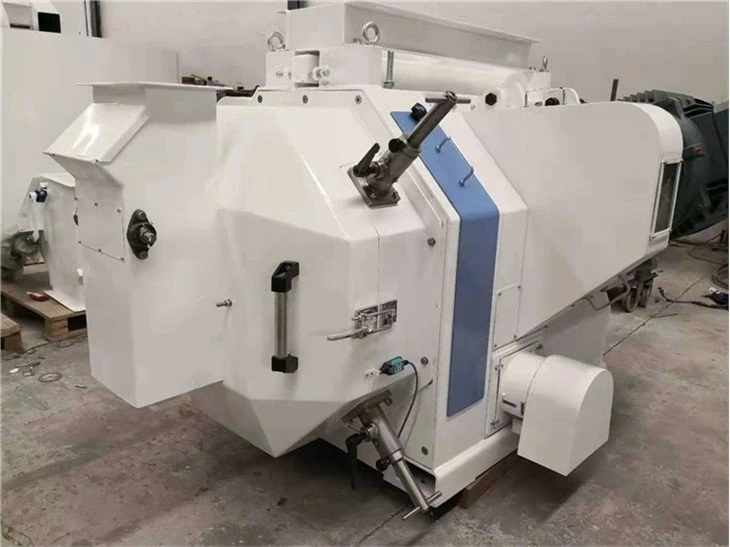
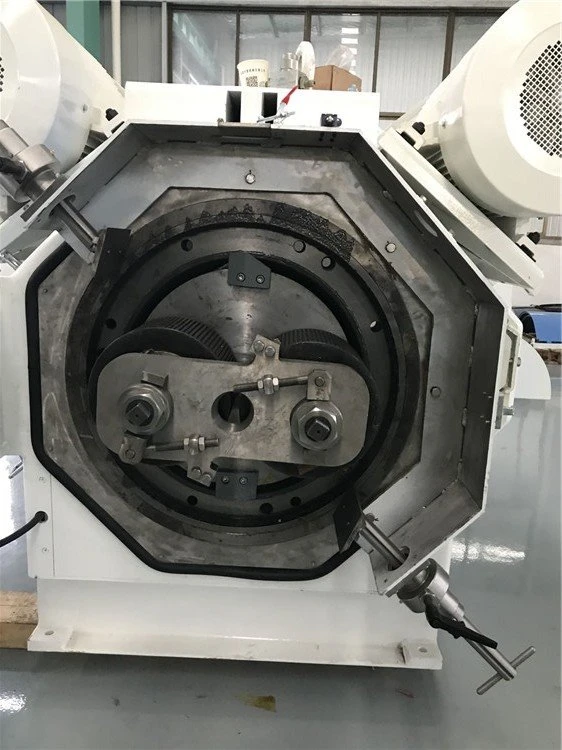
The feed industry has diverse production requirements depending on the type of animals being fed. For example, Poultry Pellet Mill and Chicken Feed Pellet Mill need to produce pellets with specific characteristics to meet the dietary needs of poultry. Poultry require smaller - sized pellets that are easy to swallow and digest. Through pre - treatment, we can adjust the particle size and other properties of the materials to produce pellets that are suitable for poultry.
Similarly, for livestock such as cattle and pigs, the feed pellets may need to have different densities and nutritional compositions. Pre - treatment allows us to customize the feed production process according to these specific requirements. We can select and pre - treat the appropriate raw materials, and adjust the processing parameters to produce high - quality feed pellets for different types of animals.
5. Complying with Industry Standards
The feed industry is subject to various regulations and standards regarding feed quality and safety. Material pre - treatment is essential for complying with these standards. As mentioned earlier, sanitizing the materials using equipment like the Stainless Steel Hygienizer helps to reduce the microbial load in the feed. This is crucial for preventing the spread of diseases through feed.
In addition, proper pre - treatment ensures that the feed pellets meet the specified physical and chemical properties, such as moisture content, density, and particle size. By adhering to these standards, feed producers can avoid legal issues and build a good reputation in the market.
Conclusion
In conclusion, the pre - treatment of materials is of utmost importance for a feed pellet mill. It impacts the quality, efficiency, nutritional value, and compliance of the feed production process. As a feed pellet mill supplier, we understand the significance of providing our customers with not only high - quality pellet mills but also comprehensive solutions for material pre - treatment.
If you are in the feed production business and are looking to improve your pellet quality, enhance production efficiency, or meet specific feed requirements, we are here to help. Our team of experts can provide you with customized pre - treatment and pelleting solutions. Contact us today to start a procurement discussion and take your feed production to the next level.
References
- "Feed Manufacturing Technology" by the American Feed Industry Association
- "Principles of Feed Pelleting" by various industry experts in feed technology