

Hey there! As a supplier of hammer mills, I've seen my fair share of issues when these machines suddenly stop working. It can be a real headache, especially if you're in the middle of an important job. But don't worry! In this blog, I'll walk you through some common problems and how to troubleshoot them.
1. Check the Power Source
The first thing you should do when your hammer mill stops working is to check the power source. Sounds simple, right? But you'd be surprised how often this is overlooked.
- Electrical Connections: Make sure all the electrical cords are properly plugged in. Look for any loose or frayed wires. If you find a frayed wire, don't try to fix it yourself unless you're qualified. It's best to replace the cord or call an electrician.
- Circuit Breakers and Fuses: Check your circuit breaker panel. If a breaker has tripped, switch it back on. If it trips again immediately, there's likely a more serious electrical issue. Fuses work in a similar way. If a fuse is blown, replace it with one of the same rating.
2. Examine the Belt and Pulley System
The belt and pulley system is crucial for the operation of the hammer mill. If there's a problem here, the machine won't work properly.
- Belt Tension: A loose belt can cause the hammer mill to stop or run inefficiently. Check the tension of the belt. You should be able to press down on the belt about an inch or so in the middle between the pulleys. If it's too loose, you may need to adjust the tension using the tensioning mechanism on the machine.
- Belt Condition: Look for signs of wear and tear on the belt. Cracks, fraying, or glazing can all indicate that the belt needs to be replaced. A worn-out belt won't grip the pulleys properly, which can lead to slippage and reduced performance.
- Pulley Alignment: Misaligned pulleys can also cause problems. Make sure the pulleys are in line with each other. You can use a straightedge to check this. If the pulleys are misaligned, adjust them according to the manufacturer's instructions.
3. Inspect the Hammer Blades
The hammer blades are the heart of the hammer mill. If they're damaged or worn, the machine won't be able to grind the material effectively.
- Blade Wear: Over time, the hammer blades will wear down. Check the blades for signs of wear. If they're significantly worn, they may need to be replaced. You can usually tell if the blades are worn by looking at the cutting edges. If they're rounded or dull, it's time for new blades.
- Blade Installation: Make sure the hammer blades are installed correctly. They should be tightened securely to the rotor. Loose blades can cause vibration and damage to the machine.
4. Look for Blockages
Blockages can occur in the hammer mill, especially if the material being processed is too large or has foreign objects in it.

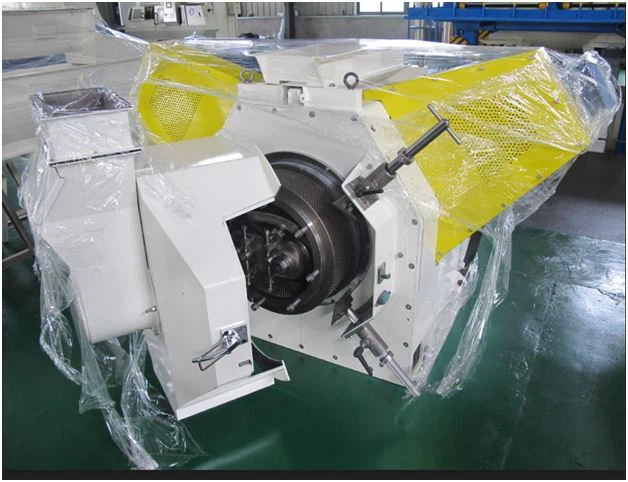
- Inlet and Outlet: Check the inlet and outlet of the hammer mill for blockages. If there's a blockage at the inlet, the material won't be able to enter the machine. If there's a blockage at the outlet, the ground material won't be able to exit. Use a long, sturdy rod to clear any blockages carefully.
- Internal Blockages: Sometimes, blockages can occur inside the machine. This can be more difficult to diagnose and fix. If you suspect an internal blockage, you may need to disassemble the machine according to the manufacturer's instructions.
5. Check the Motor
The motor is what powers the hammer mill. If there's a problem with the motor, the machine won't work.
- Motor Overheating: If the motor is overheating, it may shut down automatically to prevent damage. Check the motor for signs of overheating, such as a hot surface or a burning smell. Overheating can be caused by a variety of factors, including overloading the machine, poor ventilation, or a faulty motor.
- Motor Noise: Unusual noises coming from the motor can also indicate a problem. Grinding, whining, or rattling sounds may mean that there's something wrong with the motor bearings or other components. If you hear any strange noises, it's best to turn off the machine and have it inspected by a professional.
6. Consider the Material Being Processed
The type and condition of the material being processed can also affect the performance of the hammer mill.
- Material Size: Make sure the material you're feeding into the hammer mill is the right size. If the material is too large, it can cause blockages and put extra strain on the machine. Use a pre - grinder or crusher to reduce the size of the material if necessary.
- Moisture Content: High moisture content in the material can cause problems. It can make the material stick to the hammer blades and the inside of the machine, leading to blockages and reduced efficiency. Try to dry the material before processing it.
When to Seek Professional Help
If you've tried all the troubleshooting steps above and your hammer mill still isn't working, it's time to seek professional help. A qualified technician will have the tools and expertise to diagnose and fix the problem.
As a hammer mill supplier, I also offer a range of related products that might interest you. For example, if you're involved in cattle feed production, our Cattle Pellet Machine can be a great addition to your setup. And if you're working with alfalfa, our Alfalfa Pellet Mill is a top - notch choice.
If you're facing persistent issues with your hammer mill or are interested in purchasing a new one or any of our related products, don't hesitate to reach out. We're here to help you get the most out of your equipment and ensure smooth operations. Whether you're a small - scale farmer or a large - scale industrial user, we have the solutions for you. Let's start a conversation and see how we can work together to meet your needs.
References
- Manufacturer's manuals for hammer mills
- Industry best practices for hammer mill maintenance and troubleshooting