

Vibration in a feed mill grinder can lead to a host of problems, from premature wear and tear of components to reduced grinding efficiency and even safety hazards. As a reputable feed mill grinder supplier, we understand the significance of minimizing vibration in these machines. In this blog post, we'll explore various strategies to reduce vibration in a feed mill grinder, ensuring smooth operation and long - term reliability.
Understanding the Causes of Vibration in Feed Mill Grinders
Before we can address the issue of vibration, it's essential to understand what causes it. There are several factors that can contribute to excessive vibration in a feed mill grinder:
1. Imbalanced Rotating Parts
The rotating components of a feed mill grinder, such as the hammer and the rotor, need to be perfectly balanced. Any imbalance can cause uneven forces during rotation, leading to vibration. For example, if the hammers are not evenly distributed around the rotor or if they have different weights, it will create an imbalance.
2. Loose Components
Over time, the bolts, nuts, and other fasteners in the grinder can become loose. Loose parts can rattle and vibrate, especially when the machine is running at high speeds. This can also lead to misalignment of components, further exacerbating the vibration problem.
3. Worn - Out Bearings
Bearings support the rotating shafts in the grinder. When bearings wear out, they can no longer provide smooth support, causing the shafts to wobble and generate vibration. The lack of proper lubrication can accelerate bearing wear.
4. Inadequate Foundation
If the feed mill grinder is not properly installed on a stable foundation, it can vibrate. An uneven or weak foundation cannot absorb the forces generated by the machine, allowing the vibration to transfer to the surrounding environment.
5. Material Feed Issues
Irregular or excessive material feed can also cause vibration. If the material is fed too quickly or unevenly, it can disrupt the normal operation of the grinder, leading to unbalanced forces and vibration.
Strategies to Reduce Vibration
1. Balancing Rotating Parts
Regularly check and balance the rotating components of the feed mill grinder. This can be done using specialized balancing equipment. For the hammers, ensure that they are of the same weight and evenly distributed around the rotor. If any hammers are damaged or worn, replace them promptly to maintain balance.
2. Tightening Loose Components
Perform routine inspections to check for loose bolts, nuts, and other fasteners. Use a torque wrench to tighten them to the recommended specifications. Make sure to check all accessible parts, including the housing, covers, and internal components. This simple maintenance step can significantly reduce vibration.
3. Bearing Maintenance
Proper bearing maintenance is crucial. Follow the manufacturer's recommendations for lubrication intervals and use the correct type of lubricant. Inspect the bearings regularly for signs of wear, such as excessive play or noise. Replace worn - out bearings immediately to prevent further damage to the grinder.
4. Foundation Improvement
If the grinder is experiencing vibration due to an inadequate foundation, consider improving it. The foundation should be level, strong, and capable of absorbing the machine's vibrations. You can use vibration - isolating pads or mounts between the grinder and the foundation to reduce the transfer of vibration. These pads are made of materials like rubber or polyurethane, which can dampen the vibrations.
5. Optimizing Material Feed
Control the material feed rate and ensure it is consistent. Use a feeder system that can accurately meter the material into the grinder. This helps to maintain a stable operation and reduces the chances of uneven forces causing vibration. Additionally, make sure the material is free of large chunks or foreign objects that could disrupt the grinding process.
The Role of High - Quality Equipment
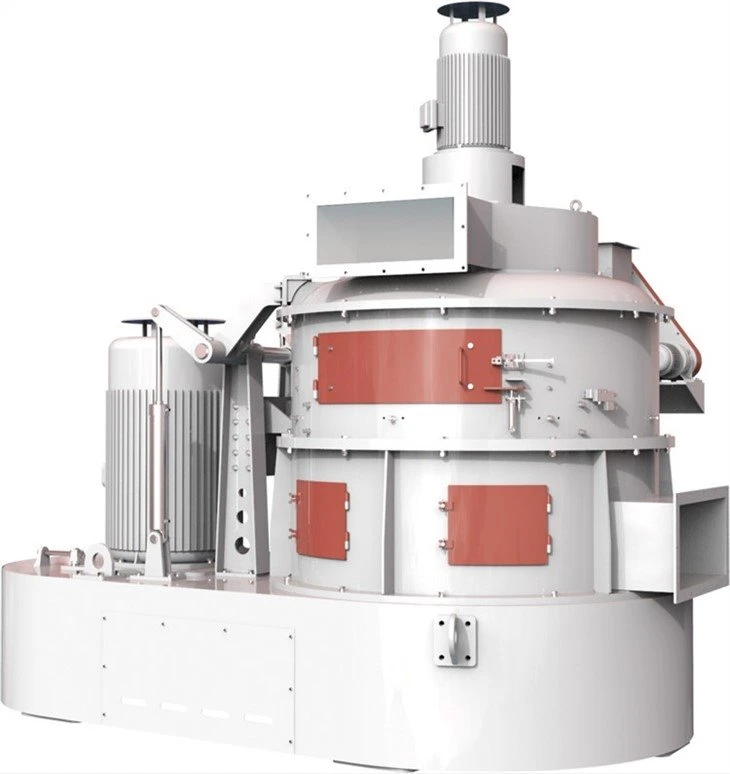
Investing in high - quality feed mill grinders can also play a significant role in reducing vibration. Our company offers a range of advanced grinders, such as the SWFL Series Ultra - fine Pulverizer, Animal Feed Grinder, and Ultra - fine Pulverizer. These machines are designed with precision engineering and high - quality components to minimize vibration from the start.
The SWFL Series Ultra - fine Pulverizer, for example, is built with a well - balanced rotor and advanced bearing systems. The design ensures smooth operation and reduces the likelihood of vibration - related issues. The Animal Feed Grinder is specifically engineered to handle the unique requirements of animal feed production, with features that promote stable and vibration - free operation. The Ultra - fine Pulverizer offers high - efficiency grinding with minimal vibration, thanks to its innovative design and high - quality construction.
Monitoring and Continuous Improvement
Even after implementing the above strategies, it's important to continuously monitor the vibration levels of the feed mill grinder. Use vibration sensors or monitoring devices to track the vibration over time. This allows you to detect any early signs of problems, such as a developing imbalance or bearing wear.
Based on the monitoring results, make adjustments and improvements as needed. If the vibration levels start to increase, perform a detailed inspection to identify the root cause and take corrective actions promptly. This proactive approach can prevent more serious problems from occurring and ensure the long - term reliability of the grinder.
Conclusion
Reducing vibration in a feed mill grinder is essential for its efficient and safe operation. By understanding the causes of vibration and implementing the appropriate strategies, such as balancing rotating parts, maintaining components, improving the foundation, and optimizing material feed, you can significantly reduce vibration levels.

Investing in high - quality equipment from a reliable supplier, like the ones we offer, can also provide a solid foundation for a vibration - free operation. Continuous monitoring and improvement are key to maintaining the performance of the grinder over time.
If you're interested in learning more about our feed mill grinders or need assistance in reducing vibration in your existing equipment, we invite you to contact us for a detailed discussion. Our team of experts is ready to provide you with the best solutions and support for your feed production needs.
References
- "Feed Mill Machinery Handbook", Publisher: Feed Industry Press, Year: 2018
- "Principles of Grain Processing and Feed Manufacturing", Author: Dr. John Smith, Publisher: Agricultural Science Publishing, Year: 2020