

Customizing a feed mill grinder is a significant investment for businesses in the feed production industry. The cost of customization can vary widely depending on several factors, including the type of grinder, the level of customization required, and the specific features and functions needed. As a feed mill grinder supplier, I have extensive experience in helping customers understand these costs and make informed decisions. In this blog post, I'll break down the key elements that influence the cost of customizing a feed mill grinder and provide insights to help you plan your budget effectively.
Types of Feed Mill Grinders and Their Base Costs
There are several types of feed mill grinders available in the market, each with its own base cost and suitability for different applications.
Hammer Mills
Hammer mills are one of the most common types of feed mill grinders. They work by using rotating hammers to crush and grind materials. The base cost of a standard hammer mill can range from a few thousand dollars to tens of thousands of dollars, depending on its size, capacity, and construction quality. For example, a small - scale Poultry Feed Hammer Mill suitable for a small farm or a home - based operation might cost around $2,000 - $5,000. On the other hand, a large - scale industrial hammer mill with high capacity can cost upwards of $20,000.
Ultra - fine Pulverizers
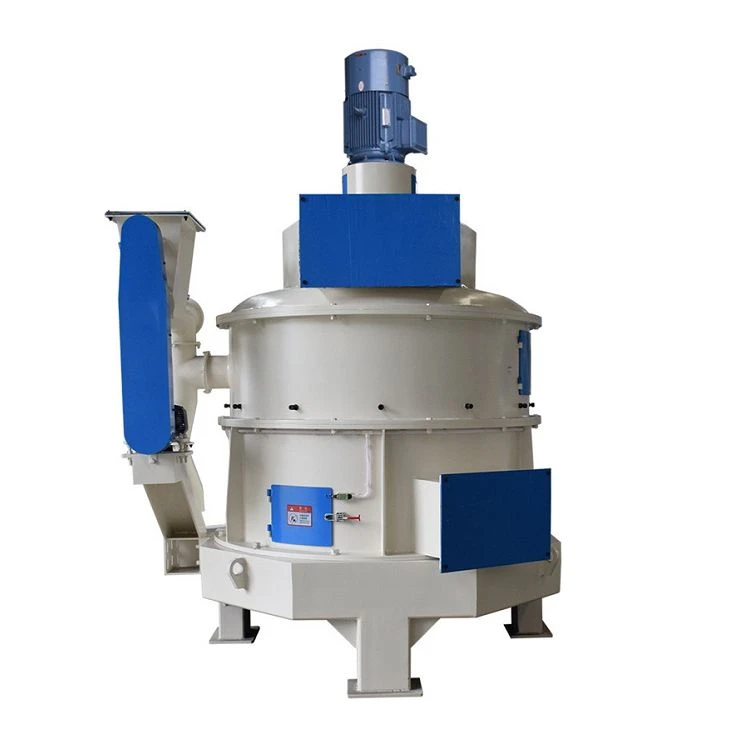
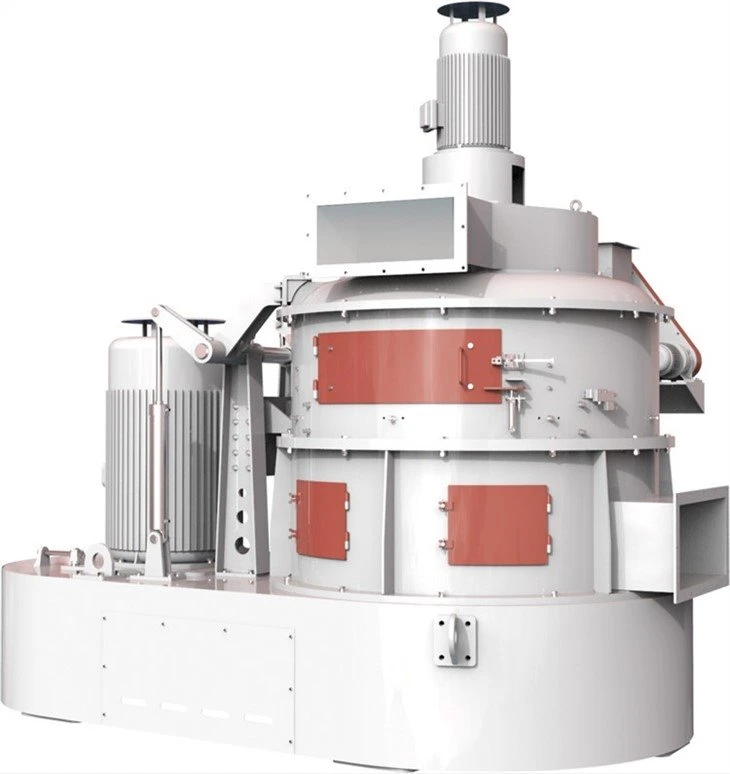
SWFL Series Ultra - fine Pulverizer is designed to produce extremely fine particles. These grinders are more complex in design and technology, which generally results in a higher base cost. A basic ultra - fine pulverizer can start at around $10,000, and more advanced models with higher capacities and better precision can cost $50,000 or more.
Animal Feed Grinders
Animal Feed Grinder is a broad category that includes various types of grinders suitable for different animals. The base cost of an animal feed grinder can vary from a few hundred dollars for a small, manual grinder to over $15,000 for a large, automated commercial model.
Factors Affecting Customization Costs
Capacity Requirements
One of the primary factors influencing the cost of customization is the required capacity of the feed mill grinder. If you need a grinder with a high throughput, it will generally cost more to customize. For example, a grinder designed to process 1 ton of feed per hour will be less expensive to customize than one that can handle 10 tons per hour. The larger the capacity, the more robust the components need to be, and more powerful motors and larger grinding chambers are required, all of which add to the cost.
Material and Construction
The choice of materials used in the construction of the feed mill grinder can significantly impact the cost. High - quality materials such as stainless steel are more expensive than mild steel but offer better durability, corrosion resistance, and hygiene. If your feed production involves abrasive materials or if you need the grinder to meet strict food safety standards, using stainless steel or other premium materials will increase the customization cost.
Special Features and Functions
Customizing a feed mill grinder to include special features and functions can also drive up the cost. Some common special features include:
- Automation: Automated controls for feeding, grinding, and discharging can improve efficiency and reduce labor costs. However, adding automation systems to a grinder can increase the customization cost by 20% - 50% depending on the complexity of the system.
- Particle Size Control: If you need precise control over the particle size of the ground feed, additional components such as screens, classifiers, and adjustable grinding mechanisms may be required. These features can add several thousand dollars to the customization cost.
- Safety Features: Enhanced safety features like emergency stop buttons, safety guards, and interlock systems are essential for protecting operators. While these features are necessary, they can also increase the overall cost of the customized grinder.
Regulatory Compliance
Meeting specific regulatory requirements can also impact the cost of customization. Different regions may have different standards for feed production equipment, such as noise levels, dust emissions, and electrical safety. Customizing a grinder to comply with these regulations may require additional design modifications and the use of specialized components, which can add to the cost.
Cost Breakdown Example
Let's consider an example of customizing a medium - sized hammer mill for a commercial feed production facility.
- Base Cost: The base cost of a standard medium - sized hammer mill is around $10,000.
- Capacity Upgrade: To increase the capacity from 3 tons per hour to 5 tons per hour, an additional $3,000 is required for a more powerful motor and a larger grinding chamber.
- Material Upgrade: Switching from mild steel to stainless steel for the grinding chamber and contact parts adds $2,000 to the cost.
- Automation System: Adding an automated feeding and discharging system costs an extra $5,000.
- Particle Size Control: Installing a precision particle size control system adds $4,000.
- Safety Features: Incorporating enhanced safety features such as emergency stop buttons and safety guards costs $1,000.
In total, the customized feed mill grinder would cost approximately $25,000, which is significantly higher than the base cost of the standard model.
How to Manage Customization Costs
- Plan Ahead: Clearly define your requirements and goals before starting the customization process. This will help you avoid unnecessary features and ensure that you are only paying for what you need.
- Get Multiple Quotes: Reach out to different feed mill grinder suppliers and get detailed quotes. Compare the prices, features, and after - sales services offered by each supplier to make an informed decision.
- Consider Long - Term Costs: While it may be tempting to choose the least expensive option, consider the long - term costs of operation, maintenance, and energy consumption. A more expensive but energy - efficient and durable grinder may save you money in the long run.
Conclusion
Customizing a feed mill grinder is a complex process, and the cost can vary significantly depending on multiple factors. As a feed mill grinder supplier, I understand the importance of providing cost - effective solutions that meet your specific needs. Whether you are a small - scale farmer or a large - scale feed production company, we can work with you to design and customize a grinder that fits your budget and requirements.
If you are interested in customizing a feed mill grinder for your business, I encourage you to contact us. Our team of experts will be happy to discuss your needs, provide detailed cost estimates, and guide you through the customization process. Let's work together to find the perfect feed mill grinder solution for your operation.
References
- Feed Mill Machinery Handbook, 2nd Edition
- Journal of Feed Science and Technology, various issues on feed mill equipment design and cost analysis