

As a seasoned supplier of Feed Mill Mixers, I've witnessed firsthand the transformative impact a well - installed mixer can have on a feed production operation. In this blog, I'll guide you through the step - by - step process of installing a feed mill mixer, ensuring you get the most out of your equipment.
Pre - installation Preparations
Before you even unpack the mixer, there are several crucial steps to take. First, select an appropriate location. The area should be flat, well - ventilated, and have enough space for the mixer itself, as well as for easy access for maintenance and operation. Ensure that the floor can support the weight of the fully loaded mixer. You can consult the manufacturer's specifications for the exact weight and load - bearing requirements.
Next, gather all the necessary tools. These typically include wrenches, screwdrivers, a level, and a hoist or crane if the mixer is large and heavy. Make sure all tools are in good working condition to avoid any delays during the installation process.
It's also essential to review the installation manual thoroughly. The manual provided by the manufacturer contains detailed instructions specific to your model of feed mill mixer. If you have any questions or uncertainties, don't hesitate to contact our technical support team.
Unpacking and Inspection
Once you've completed the pre - installation preparations, it's time to unpack the mixer. Carefully remove all the packaging materials, taking note of any loose parts or accessories. Check the mixer for any visible damage during transit. If you find any, document it immediately and contact the shipping company and our customer service department.
Inspect all the components of the mixer, such as the mixing chamber, paddles, motor, and control panel. Ensure that all parts are present and in good condition. The Feed Mill Paddle Mixer we supply, for example, comes with high - quality paddles that are designed for efficient mixing. If you notice any missing or damaged parts, we'll be able to assist you in getting replacements quickly.
Positioning the Mixer
Using the hoist or crane, carefully lift the mixer into its designated location. Place it on the prepared floor and use a level to ensure it is perfectly horizontal. This is crucial for the proper functioning of the mixer, as an unevenly placed mixer can cause excessive wear and tear on the components and may result in poor mixing performance.
Once the mixer is in position, secure it to the floor according to the manufacturer's instructions. This may involve using bolts or anchor plates. Make sure all fasteners are tightened properly to prevent the mixer from moving during operation.
Electrical and Mechanical Connections
The next step is to make the electrical and mechanical connections. Start with the electrical connections. Before you begin, ensure that the power supply is turned off to avoid any electrical hazards. Connect the mixer to the appropriate power source, following the wiring diagram in the installation manual.
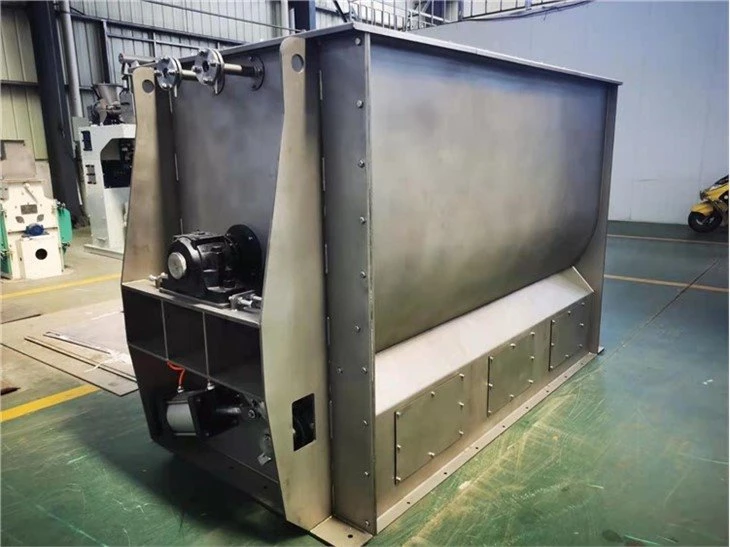

The motor is the heart of the mixer, and it's essential to ensure a proper connection. Check the motor's specifications to make sure it matches the power supply. If you're unsure about any electrical connections, it's advisable to hire a qualified electrician.
For the mechanical connections, attach the drive belts or chains to the motor and the mixer's shaft. Make sure they are properly tensioned. Over - or under - tensioned belts or chains can lead to inefficient operation and premature wear. The SLHY Horizontal Mixer we offer has a well - designed mechanical drive system that is easy to connect and maintain.
Piping and Feeding System Installation
If your feed mill mixer is part of a larger feed production system, you'll need to install the piping and feeding systems. Connect the inlet and outlet pipes to the mixer, ensuring a tight seal to prevent any leakage of feed ingredients.
The feeding system should be designed to deliver the ingredients to the mixer in a controlled manner. You can choose from various feeding options, such as screw conveyors or belt conveyors. Make sure the feeding system is properly aligned with the mixer's inlet to ensure smooth operation.
Testing and Calibration
After all the connections are made, it's time to test the mixer. Before starting the mixer, double - check all the connections and make sure all the safety guards are in place. Turn on the power supply and start the mixer at a low speed. Listen for any unusual noises or vibrations, which could indicate a problem with the installation.
Run the mixer for a few minutes and observe its operation. Check the mixing performance by adding a small amount of feed ingredients and monitoring how well they are mixed. If necessary, adjust the mixing time or speed according to the requirements of your feed production.
Calibration is also an important step. You may need to calibrate the control panel to ensure accurate measurement of the mixing time, speed, and other parameters. The Double - circle Paddle Mixer has a user - friendly control panel that is easy to calibrate.
Maintenance and Training
Once the mixer is installed and tested, it's crucial to establish a regular maintenance schedule. Regular maintenance will extend the lifespan of the mixer and ensure its optimal performance. This includes cleaning the mixer after each use, lubricating the moving parts, and inspecting the components for wear and tear.
We also offer training services for your operators. Our experienced technicians can provide on - site training to your staff, teaching them how to operate the mixer safely and efficiently. This will help you get the most out of your investment and minimize the risk of downtime due to operator error.
Conclusion
Installing a feed mill mixer is a complex process that requires careful planning and attention to detail. By following the steps outlined in this blog, you can ensure a successful installation and start producing high - quality feed for your livestock or poultry.
If you're in the market for a feed mill mixer or have any questions about the installation process, we're here to help. Our team of experts is ready to assist you from the selection of the right mixer to its installation and after - sales support. Contact us today to start a discussion about your feed production needs and how our Feed Mill Mixers can meet them.
References
- Manufacturer's installation manuals for Feed Mill Paddle Mixer, SLHY Horizontal Mixer, and Double - circle Paddle Mixer.
- Industry standards and best practices for feed mill equipment installation.