

Proper lubrication is crucial for the efficient and long - lasting operation of a feed mill mixer. As a leading Feed Mill Mixer supplier, we understand the significance of this aspect and are here to share comprehensive insights on how to ensure the proper lubrication of your feed mill mixer.
Understanding the Importance of Lubrication in Feed Mill Mixers
Before delving into the methods of ensuring proper lubrication, it is essential to understand why lubrication is so important. In a feed mill mixer, various moving parts are constantly in contact with each other. These parts include gears, bearings, shafts, and paddles. Without adequate lubrication, the friction between these components can lead to excessive wear and tear. This not only shortens the lifespan of the mixer but also reduces its efficiency. Higher friction means more energy is required to operate the mixer, leading to increased energy costs. Moreover, the heat generated by friction can cause damage to the components, potentially resulting in breakdowns and costly repairs.
Selecting the Right Lubricant
The first step in ensuring proper lubrication is to select the right lubricant. Different parts of the feed mill mixer may require different types of lubricants. For example, bearings often require high - quality grease, while gears may need a specialized gear oil. When choosing a lubricant, several factors should be considered.
- Viscosity: The viscosity of the lubricant determines its thickness. In a feed mill mixer, the operating temperature and the load on the components influence the appropriate viscosity. In high - temperature environments or under heavy loads, a lubricant with higher viscosity is usually required to maintain a proper lubricating film.
- Additives: Many lubricants come with additives that enhance their performance. For instance, anti - wear additives can reduce the wear of components, while anti - oxidation additives can prevent the lubricant from breaking down over time.
- Compatibility: It is crucial to ensure that the lubricant is compatible with the materials of the mixer components. Some lubricants may react with certain metals or seals, causing damage.
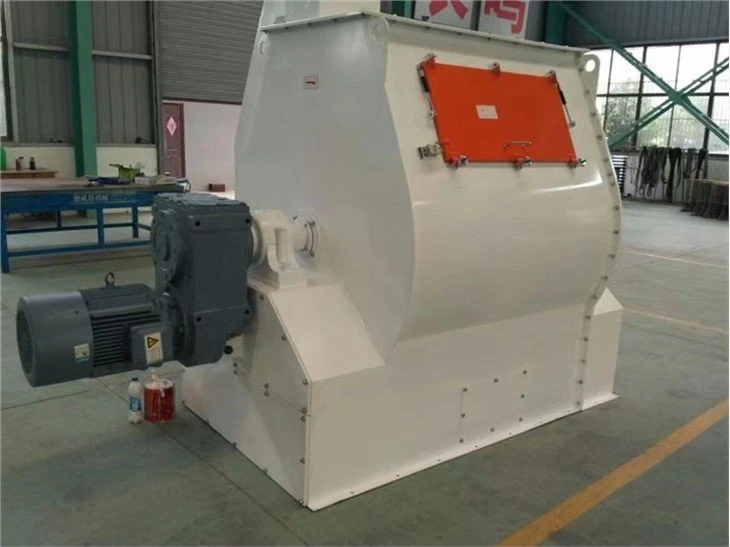
As a Feed Mill Mixer supplier, we can provide guidance on the most suitable lubricants for different models of our Feed Mill Paddle Mixer, Horizontal Mixer, and Double - circle Paddle Mixer.
Lubrication Frequency
Determining the appropriate lubrication frequency is another key aspect of ensuring proper lubrication. The frequency depends on several factors, such as the operating conditions of the mixer, the type of lubricant used, and the manufacturer's recommendations.

- Operating Conditions: If the feed mill mixer operates continuously for long hours or in a harsh environment (e.g., high dust, high humidity), more frequent lubrication may be required. For example, in a dusty feed mill, dust particles can contaminate the lubricant and reduce its effectiveness, so lubrication intervals may need to be shortened.
- Lubricant Type: Some lubricants have a longer service life than others. Synthetic lubricants, for instance, generally last longer than mineral - based lubricants and may allow for less frequent lubrication.
- Manufacturer's Recommendations: The manufacturer of the feed mill mixer usually provides guidelines on lubrication frequency. These recommendations are based on extensive testing and should be followed closely to ensure optimal performance and longevity of the mixer.
Lubrication Procedures
Proper lubrication procedures are essential to ensure that the lubricant reaches all the necessary components and provides effective protection.
- Cleaning: Before applying new lubricant, the components should be cleaned thoroughly. This removes any old lubricant, dirt, and debris that could contaminate the new lubricant. For example, when lubricating bearings, the bearing housing should be cleaned to prevent abrasive particles from causing damage.
- Application Method: Different components may require different application methods. Grease can be applied using a grease gun, while oil can be poured or pumped into the appropriate reservoirs. It is important to ensure that the lubricant is applied evenly and in the correct amount. Over - lubrication can be just as harmful as under - lubrication, as it can lead to increased heat generation and seal damage.
- Monitoring: After lubrication, it is important to monitor the performance of the mixer. Check for any signs of abnormal noise, vibration, or temperature increase, which could indicate problems with lubrication. Regularly inspect the lubricant levels and the condition of the lubricant itself. If the lubricant appears dirty or contaminated, it may need to be replaced earlier than scheduled.
Preventing Contamination
Contamination is a major threat to the effectiveness of lubrication in a feed mill mixer. Dust, feed particles, water, and other contaminants can enter the lubrication system and cause damage to the components.
- Sealing: Ensure that the mixer has proper seals to prevent contaminants from entering the lubricated areas. Regularly inspect the seals for signs of wear or damage and replace them as needed.
- Environment: Keep the operating environment of the feed mill mixer clean. Minimize dust and moisture in the area around the mixer. For example, install dust collectors and dehumidifiers if necessary.
- Storage: Store lubricants properly to prevent contamination. Keep them in sealed containers and away from sources of dirt and moisture.
Training and Documentation
Proper training of the operators is essential to ensure that the lubrication procedures are carried out correctly. Provide training on the importance of lubrication, the selection of the right lubricant, the lubrication frequency, and the proper lubrication procedures.
Documentation is also crucial. Keep records of all lubrication activities, including the type of lubricant used, the lubrication date, and any observations or problems encountered. This documentation can help in troubleshooting, predicting maintenance needs, and ensuring compliance with manufacturer's recommendations.
Conclusion
Ensuring the proper lubrication of a feed mill mixer is a multi - faceted process that requires careful consideration of lubricant selection, lubrication frequency, procedures, contamination prevention, and operator training. As a Feed Mill Mixer supplier, we are committed to providing our customers with high - quality mixers and the necessary support to ensure their proper operation.
If you are interested in our Feed Mill Paddle Mixer, Horizontal Mixer, or Double - circle Paddle Mixer, or if you have any questions about lubrication or other aspects of feed mill mixers, we encourage you to contact us for further discussion and potential procurement.
References
- Machinery's Handbook, 31st Edition. Industrial Press, Inc.
- Lubrication Fundamentals, Second Edition. CRC Press.
- Feed Mill Machinery Maintenance Guidelines, Industry - specific publication.