

As a trusted provider of feed pellet mills, I understand the importance of a seamless installation process. A properly installed feed pellet mill is crucial for efficient and reliable operation, ensuring that you can produce high-quality feed pellets for your livestock or poultry. In this detailed guide, I'll take you through the step-by-step process of installing a feed pellet mill, providing you with valuable insights and practical tips to make the installation as smooth as possible.
Preparation Before Installation
Before you start the installation, it's essential to make thorough preparations. This includes selecting the right location for your feed pellet mill, ensuring you have all the necessary tools and equipment, and carefully reading the installation manual provided by the manufacturer.
Location Selection
The first step in preparing for the installation of your feed pellet mill is choosing an appropriate location. Here are some key factors to consider:
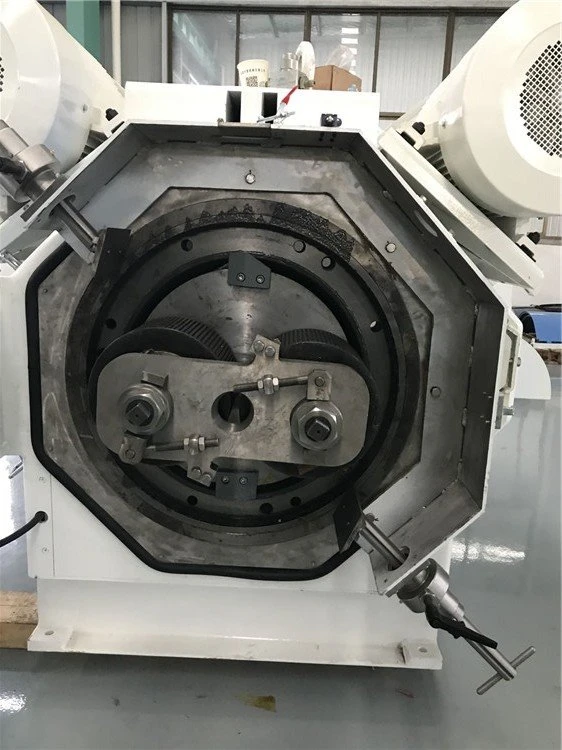

- Space Requirement: The feed pellet mill and its associated equipment, such as conveyors and storage bins, require sufficient space. Make sure there is enough room for easy access, operation, and maintenance. A general rule of thumb is to leave at least 1 - 2 meters of clearance around the equipment.
- Ventilation: The machine generates heat during operation, so good ventilation is essential to prevent overheating and ensure the safety of the operators. The area should have proper air circulation, and if possible, you can install exhaust fans or ventilation systems.
- Floor Strength: The feed pellet mill is a heavy piece of equipment. Therefore, the floor where it will be installed must be strong enough to support its weight. If necessary, reinforce the floor structure before installation.
Gathering Tools and Equipment
Before starting the installation, gather all the tools and equipment you'll need. Typically, the basic tools include wrenches, screwdrivers, hammers, and pliers. Additionally, you may need a crane or forklift to lift and position the heavy components of the feed pellet mill.
Reading the Installation Manual
Each feed pellet mill model may have specific installation requirements. Before you start the installation, carefully read the installation manual provided by the manufacturer. The manual contains detailed instructions, diagrams, and safety precautions that are essential for a successful installation.
Installation Process
Once you have completed the preparation work, you can start the installation process. Here is a general guide on how to install a feed pellet mill:
Unloading and Positioning
- Unloading: Use a crane or forklift to unload the feed pellet mill from the transportation vehicle. Be very careful during the unloading process to avoid any damage to the machine.
- Positioning: Place the feed pellet mill in the pre - selected location. Make sure the machine is level using a spirit level. If the machine is not level, it may cause vibration and affect the performance of the machine.
Connecting Components
- Pellet Mill Unit: Most feed pellet mills consist of several components, such as the grinder, mixer, and pelletizing section. Connect these components according to the instructions in the installation manual. Use bolts and nuts to secure the connections firmly.
- Conveyors and Pipes: Connect the conveyors and pipes to transfer the raw materials and finished products. Ensure that all connections are tight to prevent any leakage.
Electrical Connection
Proper electrical connection is crucial for the safe and efficient operation of the feed pellet mill.
- Power Supply: Ensure that the power supply meets the voltage and frequency requirements of the feed pellet mill. It is recommended to use a dedicated electrical circuit to avoid overloading.
- Wiring: Connect all the electrical components according to the wiring diagram in the installation manual. Check the connections carefully to ensure there are no loose wires or short circuits. It is advisable to have a professional electrician perform the electrical connection to ensure safety.
Lubrication
Before starting the machine, lubricate all the moving parts as instructed in the manual. Proper lubrication reduces friction, extends the service life of the machine, and ensures smooth operation. Use the recommended lubricants and follow the specified lubrication intervals.
Testing and Commissioning
After the installation is complete, it's time to test and commission the feed pellet mill.
Initial Inspection
Before turning on the machine, conduct a final inspection of all the connections, including mechanical, electrical, and pipe connections. Check for any loose parts, leaks, or misalignments. Tighten any loose bolts and nuts and correct any issues found during the inspection.
Dry Run
- Power On: Start the feed pellet mill and run it without any raw materials for a few minutes. This dry run allows you to check the rotation direction of the motors, the operation of the conveyor belts, and the overall stability of the machine.
- Noise and Vibration: During the dry run, listen carefully for any abnormal noise or excessive vibration. If you detect any problems, stop the machine immediately and identify the cause.
Production Test
- Start with Small Quantities: Once the dry run is successful, start introducing a small amount of raw materials into the feed pellet mill. Gradually increase the feed rate as the machine runs smoothly.
- Quality Check: Monitor the quality of the produced pellets. Check for factors such as pellet size, hardness, and density. Make adjustments to the machine settings if necessary, such as the pressure and temperature settings.
Additional Considerations
In the process of using a feed pellet mill, you may also need some additional equipment to improve the quality and efficiency of feed production. For example, the Stainless Steel Hygienizer can effectively improve the hygiene level of feed, and the Poultry Pellet Mill is specially designed for poultry feed production. If you are in a laboratory or small - scale production environment, the Pellet Mill Lab - size is a good choice.
Contact for Purchase and Negotiation
If you are interested in purchasing a feed pellet mill or have any questions about the installation and operation process, please feel free to contact us. We have a professional sales team that can provide you with detailed product information, quotation, and technical support. Our goal is to help you choose the most suitable feed pellet mill and ensure a seamless installation and operation process.
References
- Manufacturer's installation manual of the feed pellet mill.
- Industry standards and guidelines for feed pellet mill installation and operation.