

Hey there! As a supplier of Feed Mill Mixers, I've seen firsthand how crucial it is to maintain hygiene in a feed mill mixer during operation. Not only does it ensure the quality and safety of the feed, but it also helps prevent the spread of diseases and contaminants. In this blog post, I'll share some practical tips on how to keep your feed mill mixer clean and hygienic.
Regular Cleaning and Maintenance
The first step in ensuring the hygiene of a feed mill mixer is regular cleaning and maintenance. This includes daily, weekly, and monthly cleaning routines.
Daily Cleaning
At the end of each day, it's important to empty the mixer completely. Remove any remaining feed particles from the mixing chamber, paddles, and other components. You can use a brush or a vacuum cleaner to get rid of the loose debris. After that, wipe down the interior surfaces of the mixer with a damp cloth to remove any sticky residues.
For the exterior of the mixer, clean it with a mild detergent and water. Make sure to dry it thoroughly to prevent rust and corrosion. Check for any signs of wear and tear, such as loose bolts or damaged seals, and address them immediately.
Weekly Cleaning
Once a week, you should perform a more thorough cleaning. Disassemble the mixer as much as possible, following the manufacturer's instructions. This may include removing the paddles, access panels, and other removable parts. Soak these parts in a cleaning solution to break down any stubborn dirt and grease.
Use a high - pressure washer or a hose to clean the interior of the mixing chamber. Pay special attention to the corners and crevices where feed particles can accumulate. After cleaning, rinse all the parts thoroughly and dry them before reassembling the mixer.
Monthly Cleaning
Monthly cleaning involves a deep - clean of the mixer. This may require using specialized cleaning agents to remove any biofilms or bacteria that may have formed. You can also use steam cleaning to sanitize the mixer. Steam cleaning is effective in killing bacteria and viruses without the use of harsh chemicals.
During the monthly cleaning, inspect all the components of the mixer for damage. Replace any worn - out parts to ensure the proper functioning of the mixer.
Proper Feed Handling
Another important aspect of maintaining hygiene in a feed mill mixer is proper feed handling.
Use Clean Feed
Always use clean and high - quality feed. Check the feed for any signs of contamination, such as mold, insects, or foreign objects. If you suspect that the feed is contaminated, do not use it in the mixer.
Avoid Cross - Contamination
To prevent cross - contamination, separate different types of feed. Use dedicated storage bins for each type of feed and label them clearly. When transferring feed to the mixer, use clean equipment, such as scoops and conveyors.
Control the Moisture Content
High moisture content in the feed can lead to the growth of mold and bacteria. Monitor the moisture content of the feed regularly and adjust it if necessary. You can use a moisture meter to measure the moisture content accurately.
Staff Training
Proper training of the staff is essential for maintaining the hygiene of a feed mill mixer.
Hygiene Awareness
Train your staff on the importance of hygiene in the feed mill. Teach them about the risks associated with poor hygiene, such as feed spoilage and the spread of diseases.
Cleaning Procedures
Provide comprehensive training on the cleaning and maintenance procedures of the feed mill mixer. Make sure that all the staff members understand how to disassemble, clean, and reassemble the mixer correctly.
Personal Hygiene
Emphasize the importance of personal hygiene among the staff. Encourage them to wear clean uniforms, hairnets, and gloves when working with the feed and the mixer. Wash hands regularly, especially before and after handling the feed.
Choosing the Right Mixer
As a Feed Mill Mixer supplier, I know that choosing the right mixer can also contribute to better hygiene.
Easy - to - Clean Design
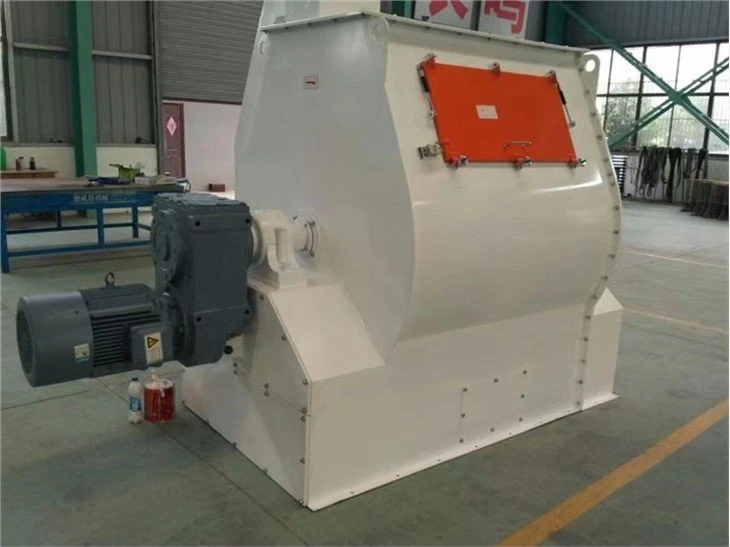
Look for a mixer with an easy - to - clean design. Mixers with smooth interior surfaces and fewer crevices are easier to clean. For example, the Feed Mill Paddle Mixer has a simple and efficient design that allows for easy cleaning.
Durable Materials
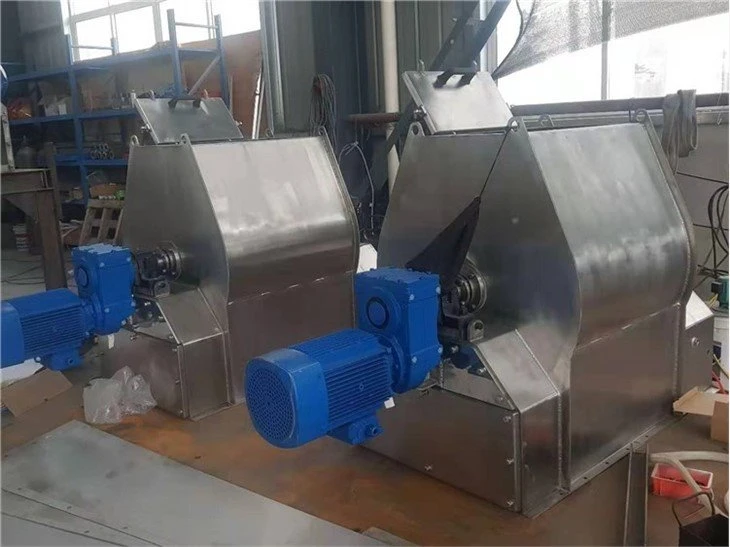
Choose a mixer made of durable and corrosion - resistant materials. Stainless steel is a popular choice for feed mill mixers because it is easy to clean and sanitize.
Advanced Features
Some mixers come with advanced features that can help maintain hygiene. For example, the Twin - shaft Paddle Mixer has a self - cleaning function that can reduce the amount of manual cleaning required.
Monitoring and Testing
Regular monitoring and testing can help ensure the hygiene of the feed mill mixer.
Microbiological Testing
Perform regular microbiological testing of the feed and the mixer. This can help detect the presence of harmful bacteria, such as Salmonella and E. coli. If any contaminants are detected, take immediate action to clean and sanitize the mixer.
Visual Inspection
Conduct visual inspections of the mixer regularly. Look for any signs of dirt, mold, or damage. If you notice any issues, address them promptly.
In conclusion, ensuring the hygiene of a feed mill mixer during operation is a multi - faceted process. It involves regular cleaning and maintenance, proper feed handling, staff training, choosing the right mixer, and monitoring and testing. By following these tips, you can keep your feed mill mixer clean and hygienic, which will ultimately lead to high - quality feed production.
If you're in the market for a new feed mill mixer or need advice on maintaining the hygiene of your existing mixer, don't hesitate to reach out. We're here to help you make the best decisions for your feed mill. Whether you're interested in the Feed Mill Paddle Mixer, Twin - shaft Paddle Mixer, or SJHS Paddle Mixer, we have the expertise and products to meet your needs. Let's start a conversation about how we can improve your feed production process.
References
- "Feed Mill Hygiene Best Practices" - Feed Industry Association
- "The Importance of Mixer Hygiene in Feed Production" - Journal of Animal Feed Science
- Manufacturer's manuals for Feed Mill Paddle Mixer, Twin - shaft Paddle Mixer, and SJHS Paddle Mixer.