

When operating a feed pellet mill, encountering poor - quality pellets is a common yet frustrating issue. As a feed pellet mill supplier, I've witnessed firsthand the challenges that customers face in this regard. In this blog, I'll share some practical troubleshooting steps to help you address this problem and improve the quality of your feed pellets.
1. Analyze the Raw Materials
The quality of raw materials is the cornerstone of producing high - quality feed pellets. Substandard raw materials can lead to various issues in pellet quality.
Particle Size
The particle size of the raw materials plays a crucial role. If the particles are too large, they won't fuse well during the pelleting process, resulting in loose and crumbly pellets. On the other hand, if the particles are too fine, the pellets may become too dense and hard. You can use a sieve analysis to determine the particle size distribution of your raw materials. For most feed pellet mills, the ideal particle size should be between 0.5 - 3 mm. If the particle size is not within this range, you may need to adjust your grinding equipment. For example, if the particles are too large, increase the grinding time or change the grinding screen to a finer one.
Moisture Content
Moisture content is another critical factor. Insufficient moisture can cause the pellets to be too dry and brittle, while excessive moisture can lead to mold growth and poor pellet durability. The optimal moisture content for most feed pellet production is around 12% - 18%. You can use a moisture meter to measure the moisture content of your raw materials. If the moisture is too low, you can add water during the mixing process. However, be careful not to add too much water at once, as it can cause uneven moisture distribution. If the moisture is too high, you may need to dry the raw materials using a dryer.
Impurities
Impurities in the raw materials, such as stones, metal pieces, or other foreign objects, can not only damage the pellet mill but also affect the quality of the pellets. Use a magnetic separator and a vibrating sieve to remove these impurities before the raw materials enter the pellet mill.
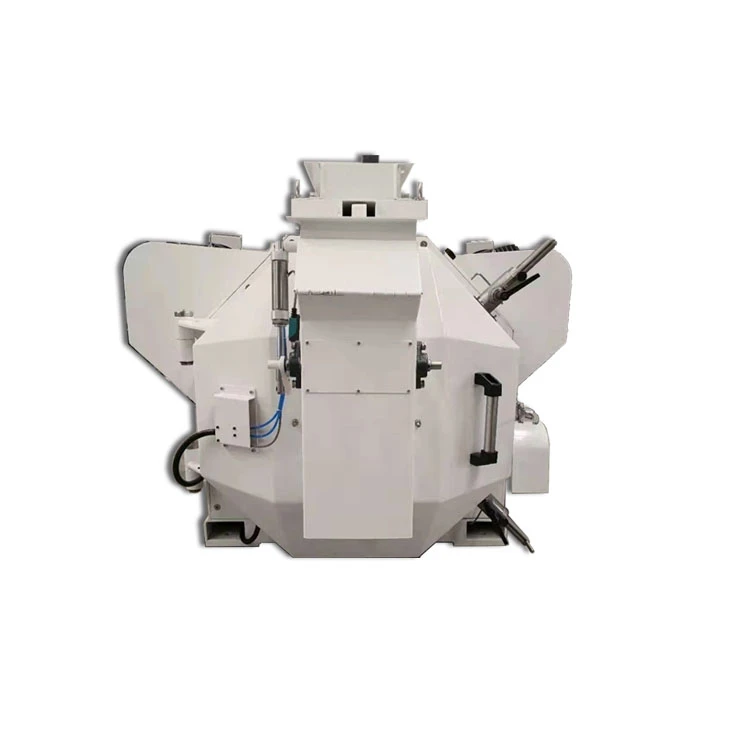
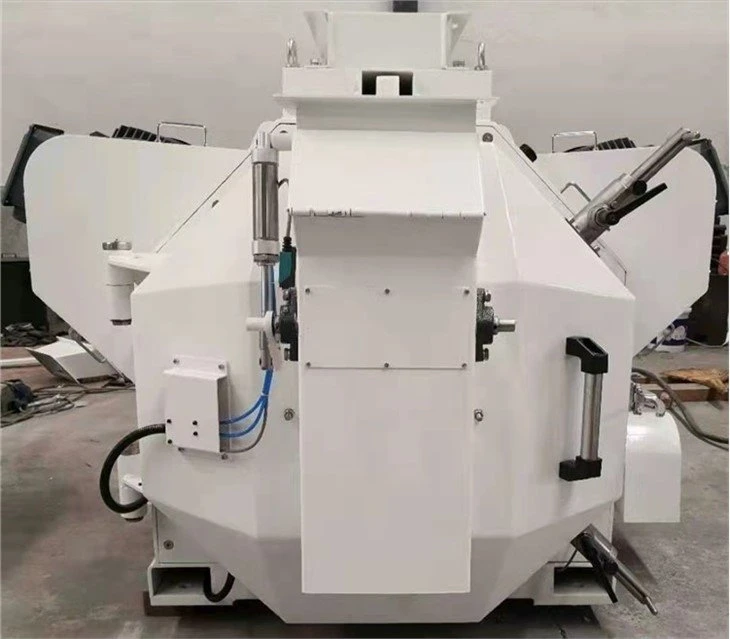
2. Check the Pellet Mill Settings
Die and Roller Clearance
The clearance between the die and the rollers is crucial for proper pellet formation. If the clearance is too large, the pressure applied to the raw materials will be insufficient, resulting in soft and poorly - formed pellets. If the clearance is too small, it can cause excessive wear on the die and rollers and may even lead to overheating of the pellet mill. You should adjust the die and roller clearance according to the type of raw materials and the diameter of the die holes. Generally, the clearance should be around 0.1 - 0.3 mm.
Die Hole Diameter and Length
The diameter and length of the die holes also affect the pellet quality. A larger die hole diameter will produce larger pellets, but it may also reduce the pellet density. The length of the die hole affects the compression ratio. A longer die hole will result in higher compression and better - formed pellets, but it may also increase the power consumption of the pellet mill. You should choose the appropriate die hole diameter and length based on the requirements of your feed pellets. For example, for small - sized poultry feed pellets, a die hole diameter of 2 - 4 mm is commonly used. You can find more information about different types of pellet mills, such as the Poultry Pellet Mill, on our website.
Feed Rate
The feed rate of the raw materials into the pellet mill should be stable and appropriate. If the feed rate is too high, the pellet mill may not be able to process the raw materials effectively, leading to poor pellet quality. If the feed rate is too low, it can cause uneven pellet production and may also increase the energy consumption per unit of pellet production. You can adjust the feed rate by controlling the speed of the feeder.
3. Examine the Conditioning Process
Steam Quality and Quantity
In many pellet mills, steam is used for conditioning the raw materials before pelleting. The quality and quantity of steam are important for improving the binding properties of the raw materials and enhancing the pellet quality. The steam should be dry and at the right pressure. Low - quality steam with high moisture content can make the pellets sticky and difficult to handle. The quantity of steam added should be adjusted according to the moisture content and characteristics of the raw materials. Generally, 3% - 5% steam by weight of the raw materials is added during conditioning.
Conditioning Time
The conditioning time also affects the pellet quality. Sufficient conditioning time allows the steam to penetrate the raw materials evenly, improving the starch gelatinization and the binding between the particles. Most pellet mills require a conditioning time of 3 - 5 minutes. If the conditioning time is too short, the raw materials may not be fully conditioned, resulting in poor pellet quality.
4. Evaluate the Cooling and Post - Processing
Cooling Process
After the pellets are formed, they need to be cooled properly to remove the heat and moisture generated during the pelleting process. An improper cooling process can cause the pellets to crack or become soft. The cooling air should be evenly distributed around the pellets, and the cooling time should be sufficient. Generally, the pellets should be cooled to room temperature within 10 - 20 minutes. You can use a counter - flow cooler for efficient cooling.
Post - Processing
Post - processing steps, such as coating or crumbling, can also affect the final quality of the pellets. If you are coating the pellets, make sure the coating material is evenly distributed and adheres well to the pellets. If you are crumbling the pellets, adjust the crumbling equipment to achieve the desired particle size.
5. Maintenance of the Pellet Mill
Regular Cleaning
Regular cleaning of the pellet mill is essential to prevent the accumulation of feed residues, which can affect the performance of the mill and the quality of the pellets. Clean the hopper, mixer, die, and rollers after each production run. Use a brush and compressed air to remove the residues.
Lubrication
Proper lubrication of the moving parts, such as the bearings and gears, is necessary to ensure smooth operation of the pellet mill. Follow the manufacturer's instructions for lubrication intervals and the type of lubricant to use.
Wear Parts Replacement
The die, rollers, and other wear parts of the pellet mill will wear out over time. Replace these parts when they are worn beyond the acceptable limit. Worn - out parts can cause uneven pressure distribution and affect the pellet quality. You can find high - quality replacement parts from our company. We also offer a Pellet Mill Lab - size for small - scale testing and research, which can help you optimize your pellet production process.
Conclusion
Producing high - quality feed pellets requires careful attention to every step of the process, from raw material selection to post - processing. By following the troubleshooting steps mentioned above, you can identify and resolve the issues that lead to poor - quality pellets. If you are still having problems with your pellet mill or need more information about our products, such as the Chicken Feed Pellet Mill, please feel free to contact us. We are always ready to provide you with professional advice and support to ensure the smooth operation of your pellet production line. Whether you are a small - scale farmer or a large - scale feed manufacturer, we can offer you the right solutions for your feed pellet production needs.
References
- "Feed Pellet Mill Operation and Maintenance Manual", [Manufacturer's Name]
- "Principles of Feed Pellet Production", [Author's Name], [Publication Year]
- "Advances in Feed Pellet Technology", [Research Institution], [Publication Year]