

Hey there! I'm a supplier of Rotary Distributors, and today I'm gonna talk about how a rotary distributor distributes electrical current. It's a pretty interesting topic, and I hope by the end of this blog, you'll have a better understanding of these nifty devices.
First off, let's get a basic idea of what a rotary distributor is. A rotary distributor is a crucial component in many electrical systems. It's designed to distribute electrical current from a single source to multiple output circuits in a controlled and sequential manner. You can find these things in all sorts of applications, from industrial machinery to some home appliances.
So, how does it actually work? Well, at the heart of a rotary distributor is a rotating mechanism. This mechanism is usually driven by an electric motor or some other power source. As it rotates, it makes contact with different terminals or contacts, which are connected to the various output circuits.
Let's break down the process step by step. The electrical current starts at the input terminal of the rotary distributor. This is where the power source, like a battery or a generator, is connected. The current then flows into the distributor body.
Inside the distributor, there's a rotor. This rotor is the key player in the distribution process. As the rotor spins, it passes over a series of stationary contacts, also known as segments. Each segment is connected to a different output circuit. When the rotor makes contact with a particular segment, it completes an electrical circuit between the input and that specific output.
For example, imagine you have a rotary distributor with six output circuits. As the rotor rotates, it will make contact with each of the six segments in turn. This way, the electrical current is distributed to each output circuit one after another. The speed at which the rotor rotates determines how often the current is switched between the output circuits.
One of the great things about rotary distributors is their ability to provide a sequential distribution of current. This is really useful in applications where you need to control the order in which different components receive power. For instance, in a large industrial machine, different parts might need to be powered up in a specific sequence to ensure smooth operation.
Now, let's talk about some of the different types of rotary distributors. There are several variations out there, each with its own unique features and applications.
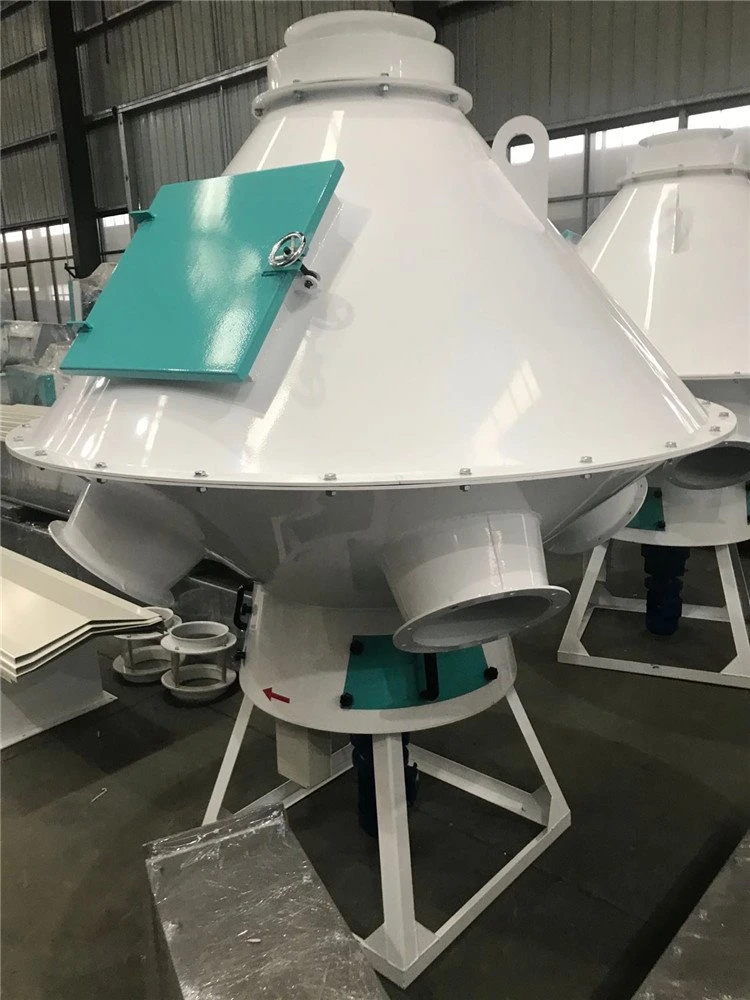
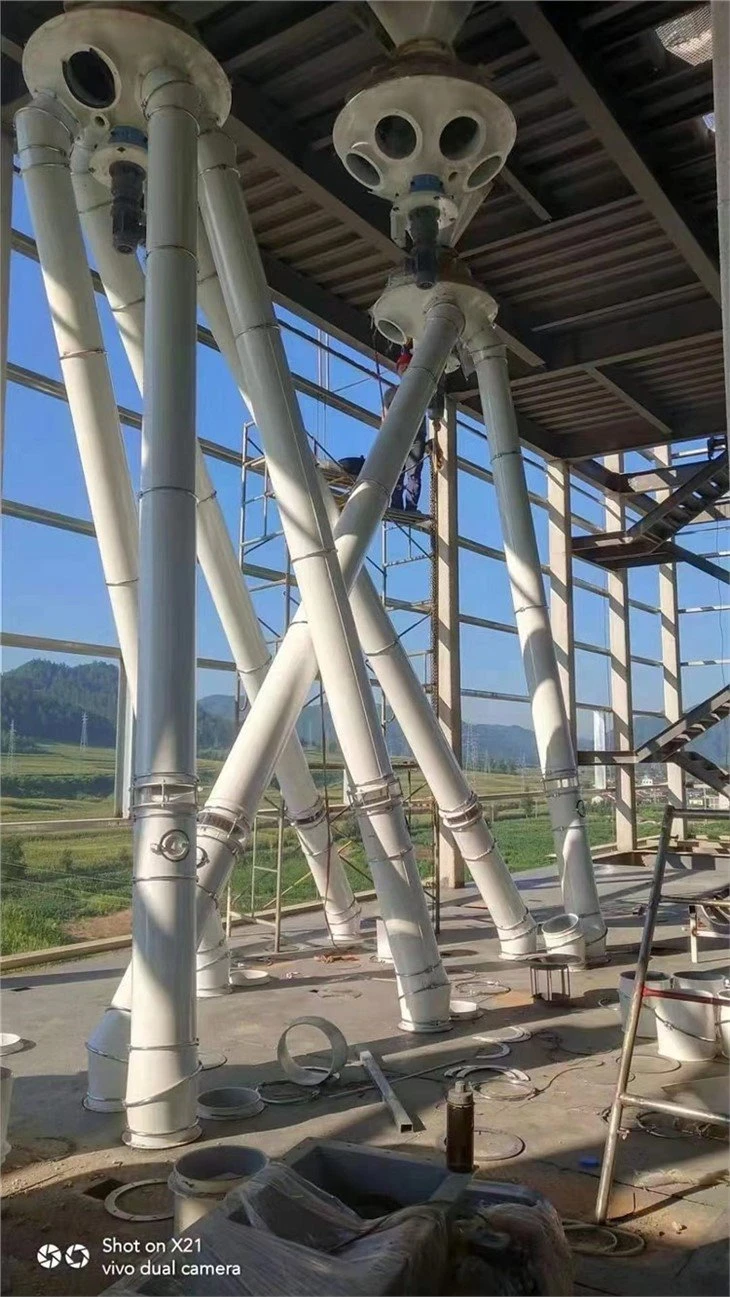
One popular type is the Powder Rotary Distributor. This type of distributor is specifically designed for applications where you need to handle powdered materials. It uses a rotating mechanism to distribute the powder evenly to different outlets. The electrical current in this case is often used to power the motor that drives the rotation and to control any associated sensors or valves.
Another type is the TFPX Series Rotary Distributor. This series is known for its high precision and reliability. It's commonly used in industrial automation systems, where accurate distribution of electrical current is crucial. The TFPX series often comes with advanced features like adjustable rotation speed and multiple output configurations.
Then there's the Rotary Distributor for Feed Machine. As the name suggests, this type of distributor is used in feed machines. It helps to distribute electrical power to different parts of the machine, such as the conveyor belts, mixers, and dispensers. This ensures that the feed production process runs smoothly and efficiently.
When it comes to the design and construction of rotary distributors, there are a few important factors to consider. The materials used in the rotor and the segments are crucial. They need to be able to conduct electricity well and withstand the wear and tear of continuous rotation. Common materials include copper, brass, and carbon.
The insulation of the distributor body is also important. It helps to prevent electrical leakage and ensures the safety of the system. Good insulation materials, like plastic or ceramic, are often used to encase the internal components.
In addition, the size and shape of the distributor can vary depending on the application. Some distributors are small and compact, suitable for use in tight spaces. Others are larger and more robust, designed for heavy-duty industrial applications.
Now, let's touch on some of the advantages of using rotary distributors. One of the main benefits is their simplicity. Compared to some other types of electrical distribution systems, rotary distributors are relatively easy to understand and maintain. They have fewer moving parts, which means there's less chance of something going wrong.
Another advantage is their cost-effectiveness. Rotary distributors are generally more affordable than some of the more complex distribution systems. This makes them a great choice for small to medium-sized businesses or applications where budget is a concern.
They also offer a high level of control. You can easily adjust the rotation speed and the sequence of distribution to meet the specific needs of your application. This flexibility makes them suitable for a wide range of industries.
However, like any technology, rotary distributors also have some limitations. One of the main drawbacks is the wear and tear on the contacts. Over time, the constant rotation and the flow of electrical current can cause the contacts to wear down. This can lead to a decrease in performance and eventually require replacement.
Another limitation is the limited number of output circuits. While some rotary distributors can have a relatively large number of outputs, there's still a practical limit. If you need to distribute current to a very large number of circuits, you might need to consider other types of distribution systems.
In conclusion, rotary distributors are a versatile and useful tool for distributing electrical current. They offer a simple, cost-effective, and controllable way to power multiple circuits. Whether you're in the industrial, agricultural, or consumer goods industry, there's likely a rotary distributor that can meet your needs.
If you're interested in learning more about our Rotary Distributors or are looking to make a purchase, I'd love to have a chat with you. We can discuss your specific requirements and find the perfect solution for your application. Don't hesitate to reach out and start the conversation.
References
- Electrical Engineering Handbook, various editions
- Industrial Automation Textbooks
- Manufacturer's Documentation for Rotary Distributors