

Hey there! As a supplier of counterflow coolers, I often get asked about the energy consumption of these nifty machines. So, I thought I'd sit down and write a blog post to shed some light on this topic.
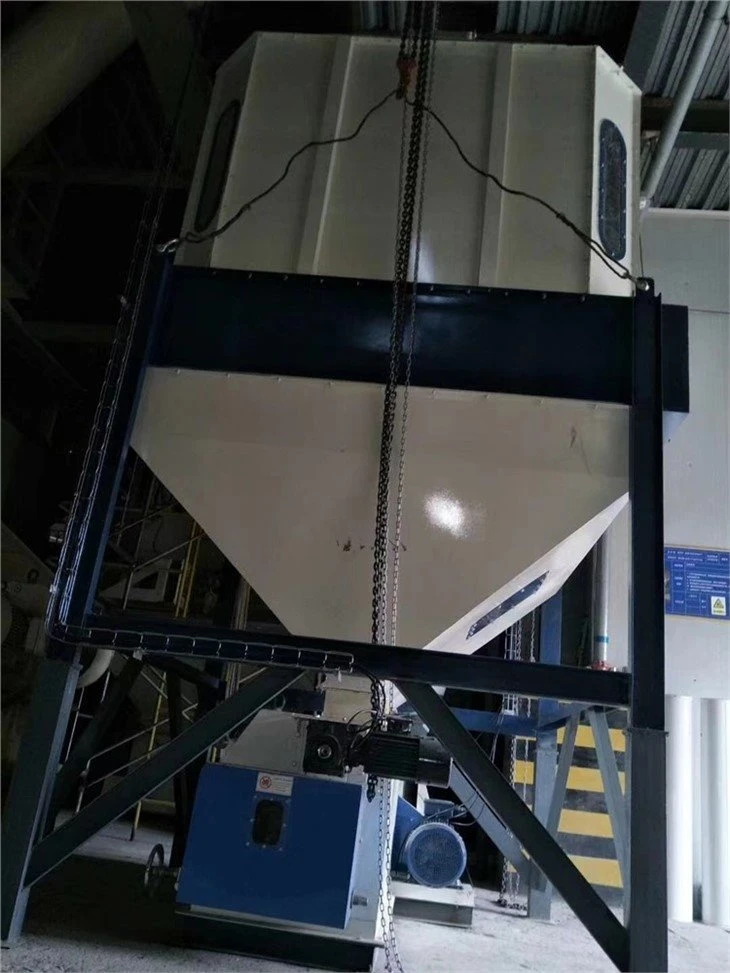
First off, let's talk about what a counterflow cooler is. A counterflow cooler is a key piece of equipment in the feed pellet production process. It's used to cool down the hot and moist feed pellets right after they're extruded from the pellet mill. The way it works is pretty cool (pun intended). The hot pellets enter the top of the cooler, and a stream of cool air is blown in from the bottom, flowing in the opposite direction of the pellets. This counterflow design allows for efficient heat exchange, cooling the pellets quickly and effectively.
Now, onto the main question: what's the energy consumption of a counterflow cooler? Well, it depends on a few factors.
1. Size and Capacity
The size and capacity of the counterflow cooler play a huge role in its energy consumption. Generally, larger coolers with higher capacities will use more energy. This is because they need to move more air and handle a greater volume of pellets. For example, a small - scale counterflow cooler designed for a local feed mill might have a lower energy requirement compared to a large industrial - sized one used in a big - time feed production facility.
Let's say you've got a SKLN Counterflow Cooler SKLN Counterflow Cooler. These coolers come in different sizes and capacities to suit various production needs. A smaller model might use around 5 - 10 kilowatts of power, while a larger one could consume 20 - 30 kilowatts or even more. The power consumption is mainly due to the fans that blow the cool air through the cooler and the conveyor systems that move the pellets.
2. Fan Efficiency
The fans in a counterflow cooler are one of the biggest energy consumers. High - efficiency fans can make a significant difference in energy consumption. Modern counterflow coolers are often equipped with fans that are designed to move a large volume of air with minimal power input. These fans use advanced blade designs and motor technologies to achieve better efficiency.
For instance, some of the latest Counterflow Feed Pellet Cooler Counterflow Feed Pellet Cooler models feature variable - speed fans. These fans can adjust their speed according to the actual cooling requirements. If the pellet production rate is low, the fans can run at a lower speed, consuming less energy. On the other hand, when there's a high demand for cooling, they can ramp up to full speed.
3. Insulation
Good insulation is another factor that affects energy consumption. A well - insulated counterflow cooler can prevent heat loss and reduce the amount of energy needed to maintain the desired cooling temperature. When the cooler is properly insulated, the cool air stays inside the unit, and the fans don't have to work as hard to keep the air flowing at the right temperature.
Some counterflow coolers are made with high - quality insulation materials that can significantly cut down on energy use. This not only saves on electricity bills but also makes the cooling process more efficient.
4. Pellet Characteristics
The characteristics of the pellets being cooled also matter. Pellets with a higher moisture content or larger size might require more energy to cool. This is because they have more heat and moisture to dissipate. For example, if you're producing soft and moist pellets, the cooler will need to work harder to remove the excess moisture and bring the temperature down.
In addition, the type of feed material used for the pellets can influence energy consumption. Some feed ingredients might have different thermal properties, which can affect how quickly they cool down.
Calculating Energy Consumption
To get a rough estimate of the energy consumption of a counterflow cooler, you can use the following steps:
- Determine the power rating of the fans and other electrical components: This information is usually provided by the manufacturer in the product specifications. Add up the power ratings of all the motors and fans in the cooler.
- Estimate the operating hours: Figure out how many hours the cooler will be running per day or per production cycle.
- Calculate the energy consumption: Multiply the total power rating (in kilowatts) by the operating hours. For example, if a cooler has a total power rating of 15 kilowatts and runs for 8 hours a day, the daily energy consumption would be 15 x 8 = 120 kilowatt - hours.
Ways to Reduce Energy Consumption
As a supplier, I'm always looking for ways to help my customers save on energy costs. Here are some tips:
- Regular Maintenance: Keep the cooler well - maintained. Clean the fans, check the conveyor belts, and ensure that all the components are in good working condition. A dirty or malfunctioning fan can consume more energy than a properly maintained one.
- Optimize Production Rates: Try to maintain a consistent production rate. Sudden spikes or drops in pellet production can cause the cooler to work less efficiently.
- Use Energy - Efficient Equipment: Invest in a counterflow cooler with high - efficiency fans and good insulation. As mentioned earlier, modern coolers are designed to be more energy - friendly.
In conclusion, the energy consumption of a counterflow cooler can vary widely depending on its size, fan efficiency, insulation, and the characteristics of the pellets. By understanding these factors and taking steps to optimize energy use, you can save on operating costs and make your feed production process more sustainable.

If you're in the market for a counterflow cooler or want to learn more about how to reduce energy consumption in your feed production, I'd love to have a chat. Feel free to reach out to me, and we can discuss your specific needs and find the best solution for you.
References
- Feed Processing Handbook, various editions
- Industry reports on feed pellet production equipment