

Mixers are essential equipment in various industries, including food processing, pharmaceuticals, and feed production. Among the different types of mixers available, horizontal mixers and vertical mixers are two of the most commonly used. As a horizontal mixer supplier, I am often asked about the differences between these two types of mixers. In this blog post, I will delve into the distinctions between horizontal and vertical mixers, highlighting their unique features, advantages, and applications.
Design and Structure
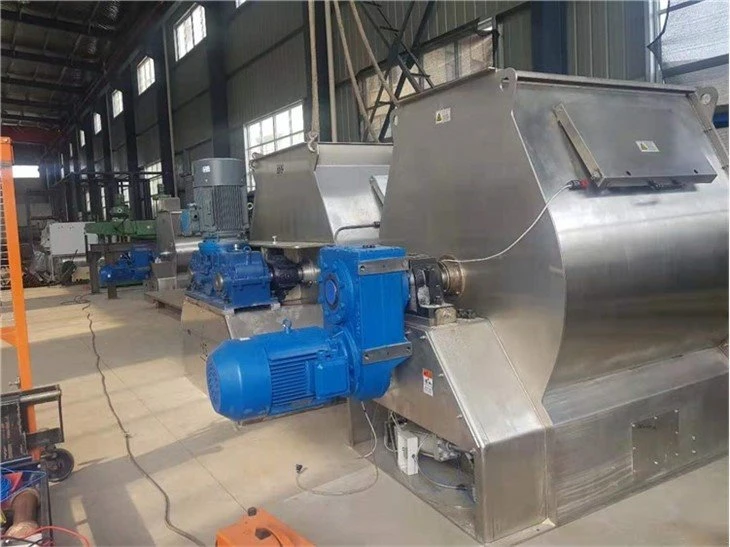
One of the most obvious differences between horizontal and vertical mixers lies in their design and structure. A horizontal mixer typically consists of a long, cylindrical mixing chamber that is horizontally oriented. Inside the chamber, there are one or more agitators, such as paddles or ribbons, that rotate around a horizontal axis. These agitators are responsible for moving the materials in a circular motion, ensuring thorough mixing.
On the other hand, a vertical mixer has a tall, cylindrical or conical mixing chamber that is vertically oriented. The agitator in a vertical mixer is usually a single screw or auger that rotates around a vertical axis. The screw or auger moves the materials from the bottom of the chamber to the top, creating a vertical flow pattern.
Mixing Efficiency
Mixing efficiency is a crucial factor to consider when choosing a mixer. Horizontal mixers are generally known for their high mixing efficiency. The horizontal orientation of the mixing chamber allows for a larger surface area of contact between the agitators and the materials. This results in a more thorough and uniform mixing process, as the materials are continuously agitated and blended throughout the chamber.
In addition, the circular motion created by the horizontal agitators helps to break up agglomerates and distribute the ingredients evenly. This is particularly beneficial when mixing materials with different particle sizes, densities, or viscosities.
Vertical mixers, on the other hand, may have a lower mixing efficiency compared to horizontal mixers. The vertical flow pattern in a vertical mixer can sometimes lead to uneven mixing, especially if the materials have different flow characteristics. However, vertical mixers can be effective for mixing materials that are free-flowing and do not require a high degree of homogeneity.
Loading and Unloading
Another important consideration is the ease of loading and unloading materials. Horizontal mixers are typically easier to load and unload than vertical mixers. The horizontal orientation of the mixing chamber allows for easy access to the interior, making it convenient to add or remove materials. In addition, many horizontal mixers are equipped with large doors or hatches that provide quick and efficient access to the mixing chamber.
Vertical mixers, on the other hand, may require more effort to load and unload materials. The tall and narrow design of the vertical mixing chamber can make it difficult to access the bottom of the chamber, especially when loading or unloading heavy or bulky materials. However, some vertical mixers are equipped with special features, such as bottom discharge valves or pneumatic conveying systems, to facilitate the loading and unloading process.
Space Requirements
Space requirements are also an important factor to consider, especially in industries where floor space is limited. Horizontal mixers generally require more floor space than vertical mixers. The long, cylindrical shape of the horizontal mixing chamber takes up more room, and additional space may be needed for the motor, drive system, and other components.
Vertical mixers, on the other hand, have a more compact design and require less floor space. The tall and narrow shape of the vertical mixing chamber allows it to be installed in areas with limited floor space, making it a popular choice for small-scale operations or facilities with space constraints.
Applications
The choice between a horizontal mixer and a vertical mixer also depends on the specific application. Horizontal mixers are commonly used in industries where a high degree of mixing uniformity is required, such as food processing, pharmaceuticals, and chemical manufacturing. They are particularly well-suited for mixing materials with different particle sizes, densities, or viscosities, as well as for blending liquids and solids.
Some examples of horizontal mixers include the Double-circle Paddle Mixer and the SJHS Paddle Mixer. These mixers are designed to provide efficient and thorough mixing of a wide range of materials, making them ideal for use in feed mills, food processing plants, and other industrial applications.
Vertical mixers, on the other hand, are often used in industries where the materials are free-flowing and do not require a high degree of mixing uniformity. They are commonly used in applications such as agriculture, construction, and waste management. Vertical mixers are also suitable for mixing materials that are sensitive to shear forces, as the vertical flow pattern in the mixer creates less shear compared to a horizontal mixer.
Cost
Cost is another important factor to consider when choosing a mixer. Horizontal mixers are generally more expensive than vertical mixers. The larger size and more complex design of horizontal mixers require more materials and labor to manufacture, which results in a higher cost. In addition, horizontal mixers may require more maintenance and energy to operate, which can also add to the overall cost.
Vertical mixers, on the other hand, are typically less expensive than horizontal mixers. The simpler design and smaller size of vertical mixers make them more affordable to manufacture and operate. However, it is important to note that the cost of a mixer can vary depending on the size, capacity, and features of the specific model.
Conclusion
In conclusion, horizontal mixers and vertical mixers have several key differences in terms of design, mixing efficiency, loading and unloading, space requirements, applications, and cost. As a horizontal mixer supplier, I believe that horizontal mixers offer several advantages over vertical mixers, particularly in terms of mixing efficiency and versatility. However, the choice between a horizontal mixer and a vertical mixer ultimately depends on the specific needs and requirements of your application.
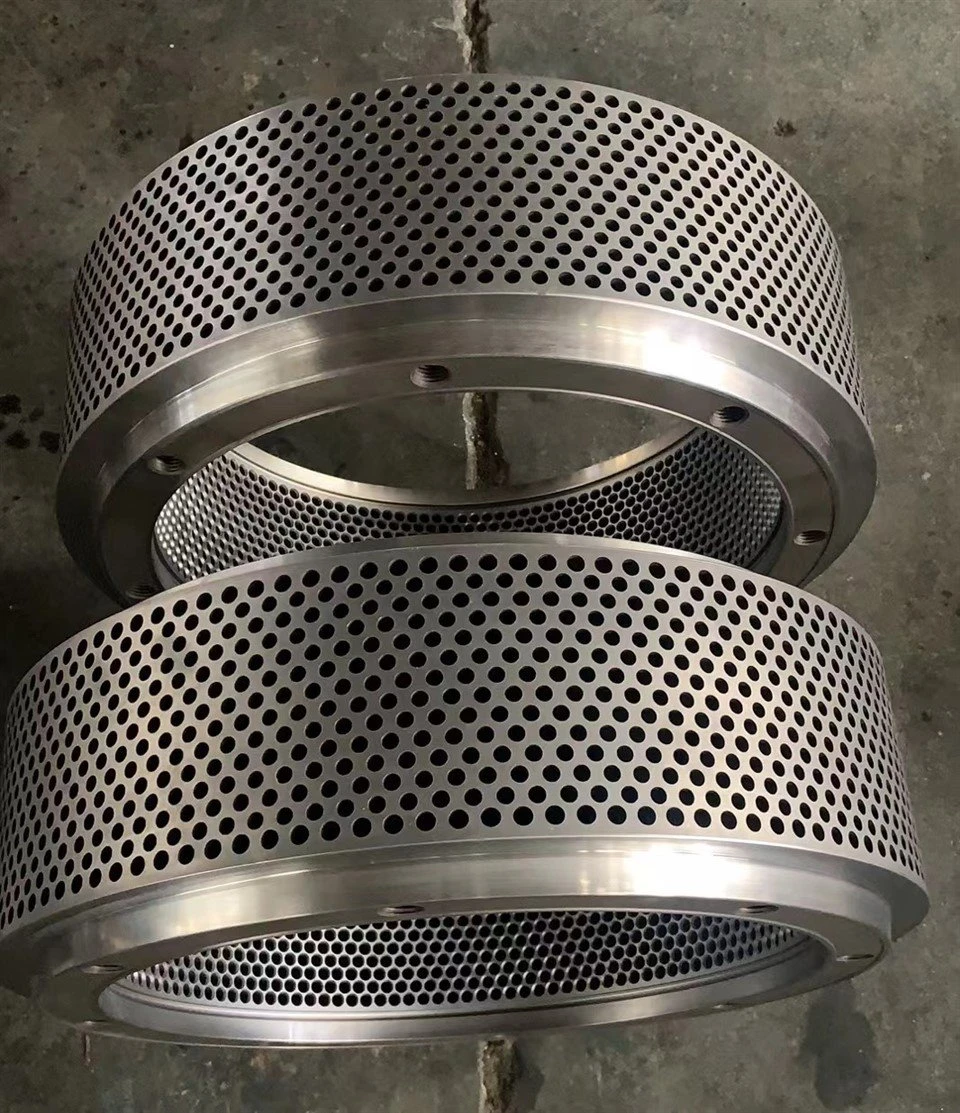
If you are in the market for a mixer and need help choosing the right one for your needs, please do not hesitate to contact me. I would be happy to discuss your requirements and provide you with more information about our range of horizontal mixers, including the Double-circle Paddle Mixer and the SJHS Paddle Mixer. We also work closely with Pellet Die Manufacturer to ensure that our customers have access to high-quality components for their feed processing needs.
Let's start a conversation about your mixing requirements and find the perfect solution for your business.
References
- "Mixing Equipment: Principles and Applications" by Michael A. Schuler and Fikret Kargi
- "Handbook of Industrial Mixing: Science and Practice" edited by Edward L. Paul, Victor A. Atiemo-Obeng, and Suzanne M. Kresta